Genomes of howler monkeys reveal two new Amazonian Alouatta species
Researchers from Salford and Brazilian institutes analysed genomes of 11 of 13 recognised howler monkey species and formally described two new ones.
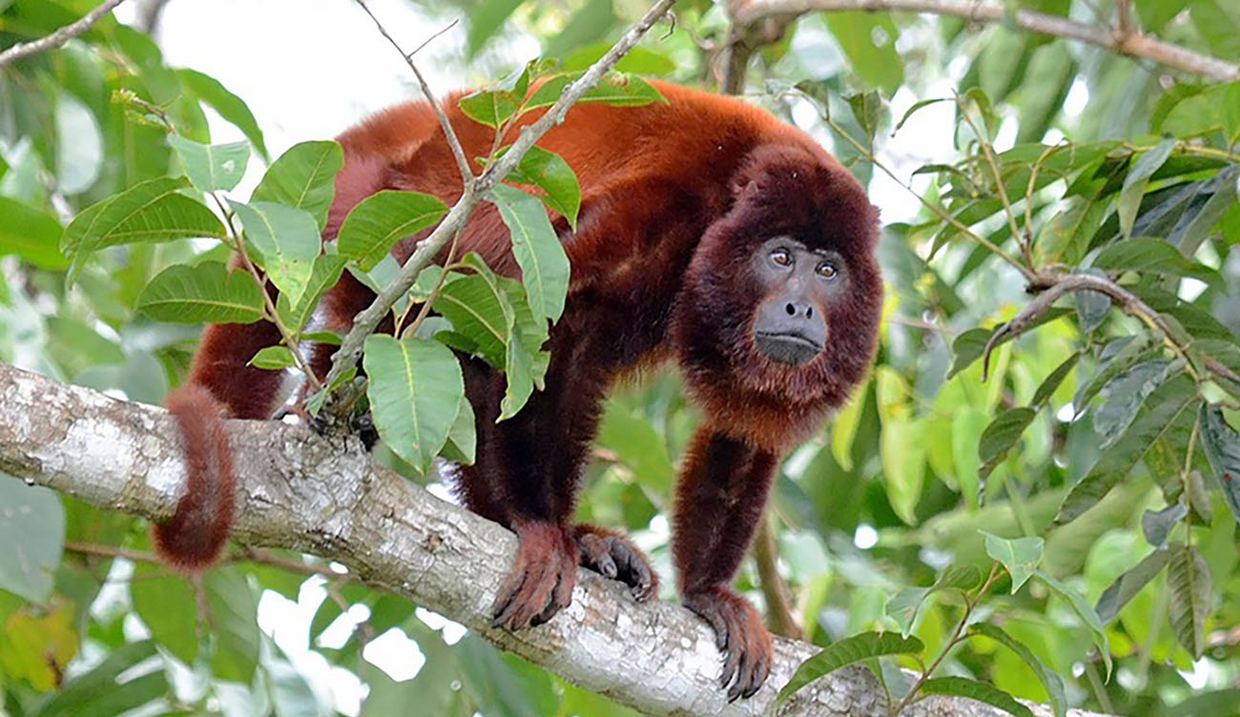
A team led by Romina Batista of the University of Salford (UK), together with colleagues from Brazil, Portugal, Spain and other countries, has published a genome-wide analysis of howler monkeys (Alouatta) on nature.com. The work covers 11 of the 13 species of the genus recognised until now. On the basis of genomic and morphological evidence from numerous specimens, the authors formally identify groups and describe two new species nature.com
nature.comnature.comOpen source ↗.
The authors analysed DNA from 83 howler monkeys from different parts of the Amazon region and examined the anatomy and morphology of museum specimens. Tissue and faecal samples from collections were used nature.com
nature.comnature.comOpen source ↗.
Two new species and a revised count
The first new species, Alouatta iroi, occurs in the northern Amazon of Brazil, Guyana and Venezuela. The second, Alouatta matogrossensis, lives south of the lower Amazon in Brazil. A further population previously ranked as a subspecies was found to be a full species. According to the authors, the genus now includes 16 species and two subspecies; the last new howler monkey species before this was described in 1941 nature.com
nature.comnature.comOpen source ↗.
Where the diversity came from
The results indicate that most of the genus's diversity in Amazonia arose within the last million years. The authors link it to geographical barriers, including Amazonian rivers and the Andes, and to ecological gradients such as savanna-forest mosaics and ecotonal zones nature.com
nature.comnature.comOpen source ↗. Large rivers restrict gene flow between forest-dwelling populations and promote allopatric speciation, the authors state. Historical biogeographic reconstructions support a trans-Andean origin of Alouatta
nature.com
nature.comnature.comOpen source ↗.
Howler monkeys are among the most successful radiations in the Neotropics. At the same time, 11 of the 16 taxa recognised before this study are classed as threatened on the IUCN Red List. The genus faces deforestation, habitat fragmentation and hunting nature.com
nature.comnature.comOpen source ↗. The authors note that in rapidly transforming tropical ecosystems undescribed species may already be at risk, and that genome-wide data help to reveal such hidden diversity
nature.com
nature.comnature.comOpen source ↗.