Amentum and Kyoto Fusioneering sign partnership to build commercial fusion power plants
The companies will combine reactor hardware, nuclear engineering and digital modelling. Divertor tiles from Kyoto Fusioneering are already being tested at DIII-D in California.
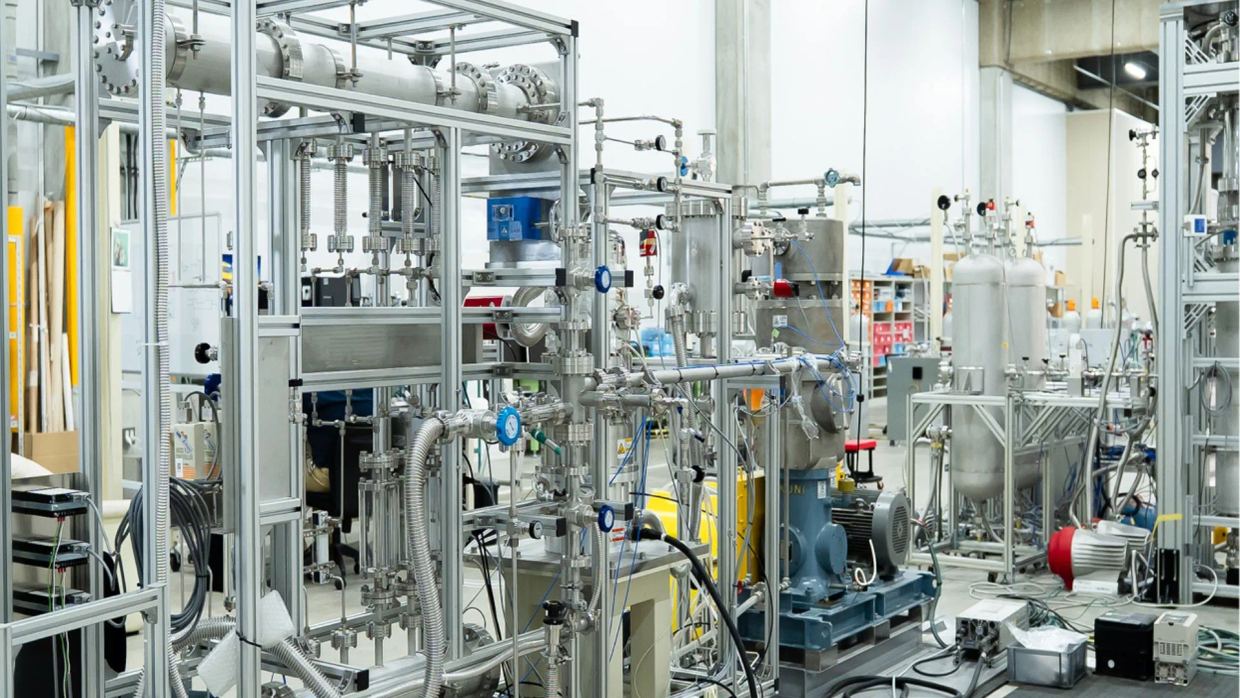
Engineering firm Amentum and Japanese developer Kyoto Fusioneering have signed a strategic partnership aimed at moving fusion from experimental facilities to commercial power plants, Interesting Engineering reports. The companies will work across Japan, the United States and the United Kingdom. interestingengineering.com
Interesting Engineeringinterestingengineering.comOpen source ↗
The roles are divided by competence. Kyoto Fusioneering supplies plasma heating devices, fuel-cycle equipment and "breeding blankets", which are designed to generate tritium fuel inside the reactor walls. Amentum contributes nuclear safety protocols, systems engineering and the large-scale delivery management needed to build industrial facilities. interestingengineering.com
Interesting Engineeringinterestingengineering.comOpen source ↗
Kiyoshi Seko, president and chief operating officer of Kyoto Fusioneering, said that building a fusion power plant will depend on collaborations like this one. He noted that Amentum offers the scale of nuclear engineering experience that developers need as projects move toward physical construction. Mark Whitney, president of Amentum's energy and environment division, called the moment pivotal and said that combining the companies' specialisms addresses the delivery hurdles holding back commercial deployment. interestingengineering.com
Interesting Engineeringinterestingengineering.comOpen source ↗
Digital modelling of plant operation
A major focus of the partnership is digital simulation. The teams intend to use digital engineering tools to model plant operations. According to the companies, testing virtual designs should shorten development cycles, help predict equipment degradation and reduce costly trial and error during physical builds. interestingengineering.com
Interesting Engineeringinterestingengineering.comOpen source ↗
Divertor tests at DIII-D
The partnership builds on Kyoto Fusioneering's testing work in the US. In October the company joined the DIII-D National Fusion Facility in California, a testbed backed by the US Department of Energy. interestingengineering.com
Interesting Engineeringinterestingengineering.comOpen source ↗
Inside a tokamak the core plasma must stay extremely hot for nuclei to fuse, while the surrounding chamber walls must stay cool enough to avoid structural failure. Kyoto Fusioneering is supplying heat-resistant tiles for an advanced divertor, the component that removes waste heat and impurities from the plasma chamber. Together with researchers from Columbia University, engineers will run extended operational tests on DIII-D's reverse-D-shaped plasma. interestingengineering.com
Interesting Engineeringinterestingengineering.comOpen source ↗
Data from these trials will go into US Department of Energy roadmaps. The measurements are intended to help physicists assess plasma stability, validate computer models and choose resilient materials for the next generation of pilot plants. interestingengineering.com
Interesting Engineeringinterestingengineering.comOpen source ↗