UVA analysis of FDA reports: cardiac arrest cited 11 times more often with energy drinks and stimulants
University of Virginia researchers compared 28.3 thousand FDA adverse-event reports: stimulant products had more cardiac complaints. The authors say the data do not prove causation.
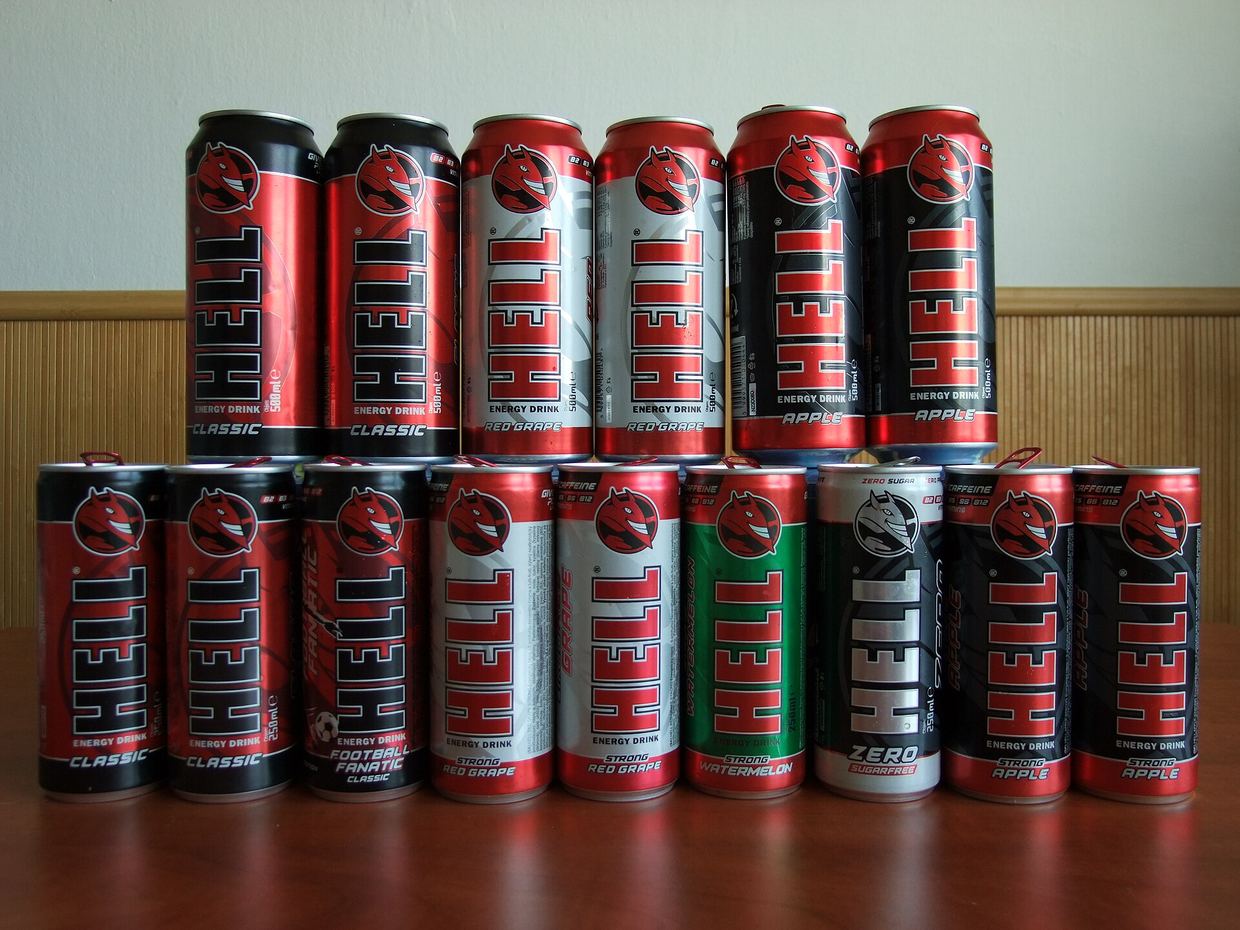
Researchers at the University of Virginia School of Medicine (USA) analysed 28.3 thousand reports of possible adverse effects of foods and dietary supplements submitted to the US Food and Drug Administration (FDA) in 2017–2025, as reported by Nauka w Polsce. Of these, 854 concerned energy drinks and supplements containing caffeine or other stimulants. The remaining 27.5 thousand concerned products without such ingredients. naukawpolsce.pl
Nauka w Polscenaukawpolsce.plOpen source ↗
In reports on stimulant products, cardiac arrest appeared 11 times more often than in reports on other foods. naukawpolsce.pl
Nauka w Polscenaukawpolsce.plOpen source ↗ The effect was observed mainly in adults aged 18 to 34, a group considered at low risk of serious heart disease: about 45% of the cases linking stimulant products with cardiovascular problems involved this age group. Similar relationships were seen in women and men.
naukawpolsce.pl
Nauka w Polscenaukawpolsce.plOpen source ↗
Which complaints were reported more often
Heart attacks were reported 4.5 times more often, and ventricular arrhythmias and palpitations about four times more often. naukawpolsce.pl
Nauka w Polscenaukawpolsce.plOpen source ↗ A rapid heartbeat appeared in reports nearly three times more often, chest pain 2.7 times, and fainting twice as often.
naukawpolsce.pl
Nauka w Polscenaukawpolsce.plOpen source ↗
According to the American Heart Association, up to 400 mg of caffeine a day is generally safe for adults. Some energy drinks contain up to three times more caffeine than the same volume of coffee, and some pre-workout supplements more than 12 times more. naukawpolsce.pl
Nauka w Polscenaukawpolsce.plOpen source ↗ Study author Sai Samayamanthula said that people who drink such products or take such supplements regularly can easily exceed the recommended daily caffeine limit.
Limits of the data
The authors stress that the study does not prove that energy drinks or supplements directly caused heart attacks or other circulatory problems. The analysis relied on voluntary reports, not on observation of people who regularly consume these products. It is therefore unknown how many people drank energy drinks without health problems, or how many adverse events were never reported. The influence of other factors, such as combining stimulant drinks with alcohol or drugs, cannot be ruled out. naukawpolsce.pl
Nauka w Polscenaukawpolsce.plOpen source ↗
The researchers also noted that energy drinks are not subject to the same safety testing before market entry as medicines. Their sales have more than doubled over the past decade, exceeding 20 billion dollars in the USA in 2024. naukawpolsce.pl
Nauka w Polscenaukawpolsce.plOpen source ↗ Samayamanthula said the results support more systematic safety monitoring of products containing caffeine and other stimulants, and that physicians should ask young patients reporting palpitations, chest pain or fainting whether they use such products.