VRC01 antibody trials HVTN 704 and HPTN 085: resistant HIV diagnoses after dosing ended, 11 vs 1
In two efficacy trials, VRC01 maintained 66.3% prevention efficacy against highly sensitive HIV-1, but later diagnoses included more resistant viruses than with placebo.
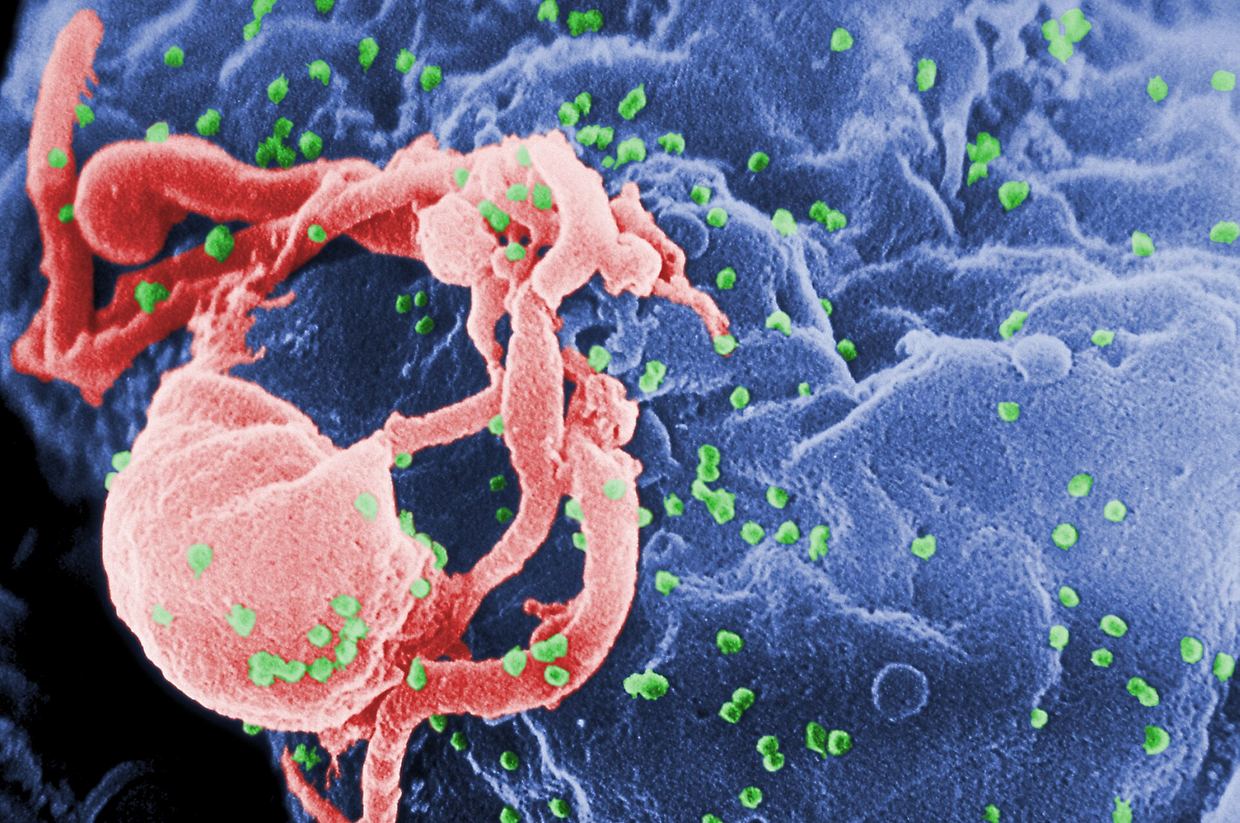
A team led by Allan deCamp analyzed HIV-1 acquisition in two parallel antibody-mediated prevention (AMP) efficacy trials, HVTN 704 and HPTN 085, through the final study visit at week 104. The analysis was published in Science Translational Medicine. The trials, run in the Americas and sub-Saharan Africa, tested whether intravenous infusion of the broadly neutralizing antibody VRC01, which binds the CD4 binding site, prevents HIV-1 acquisition doi.org
Science Translational Medicinedoi.orgOpen source ↗.
Protection against sensitive strains
Against viruses considered highly sensitive to VRC01 (80% inhibitory concentration, IC80, below 1 microgram/milliliter), VRC01 prophylaxis maintained cumulative prevention efficacy of 66.3% (95% confidence interval: 32.4–83.2%) doi.org
Science Translational Medicinedoi.orgOpen source ↗. According to the authors, this suggests that the antibody successfully blocked or cleared these infections. The final dose was given at week 72
doi.org
Science Translational Medicinedoi.orgOpen source ↗.
Diagnoses after dosing ended
In the period after week 80, HIV diagnosis and resistance to VRC01 were more frequent and greater in the VRC01 groups than in the placebo groups doi.org
Science Translational Medicinedoi.orgOpen source ↗. Diagnoses with viruses considered moderately sensitive or resistant to VRC01 (IC80 of 5 microgram/milliliter or higher) numbered 11 in the VRC01 groups versus 1 in the placebo groups
doi.org
Science Translational Medicinedoi.orgOpen source ↗.
The authors consider it plausible that as the in vivo concentration of VRC01 declined, previously suppressed viruses emerged as detectable infections. These viruses often evolved greater resistance because of selective pressure doi.org
Science Translational Medicinedoi.orgOpen source ↗.
The authors conclude that single antibodies can block sensitive strains, but multiple antibodies are likely required to prevent both viral escape and infections that appear once the antibody level falls doi.org
Science Translational Medicinedoi.orgOpen source ↗. They also write that the results bear on the design and analysis of future trials of broadly neutralizing antibodies against HIV-1, including the need to test for the virus long after infusions have ended.