uRARE-seq urine RNA test detects 95% of localized bladder cancers at 90% specificity
A urine cfRNA sequencing method tested on 683 samples detected localized bladder cancer and estimated response to BCG. Prospective studies are still needed.
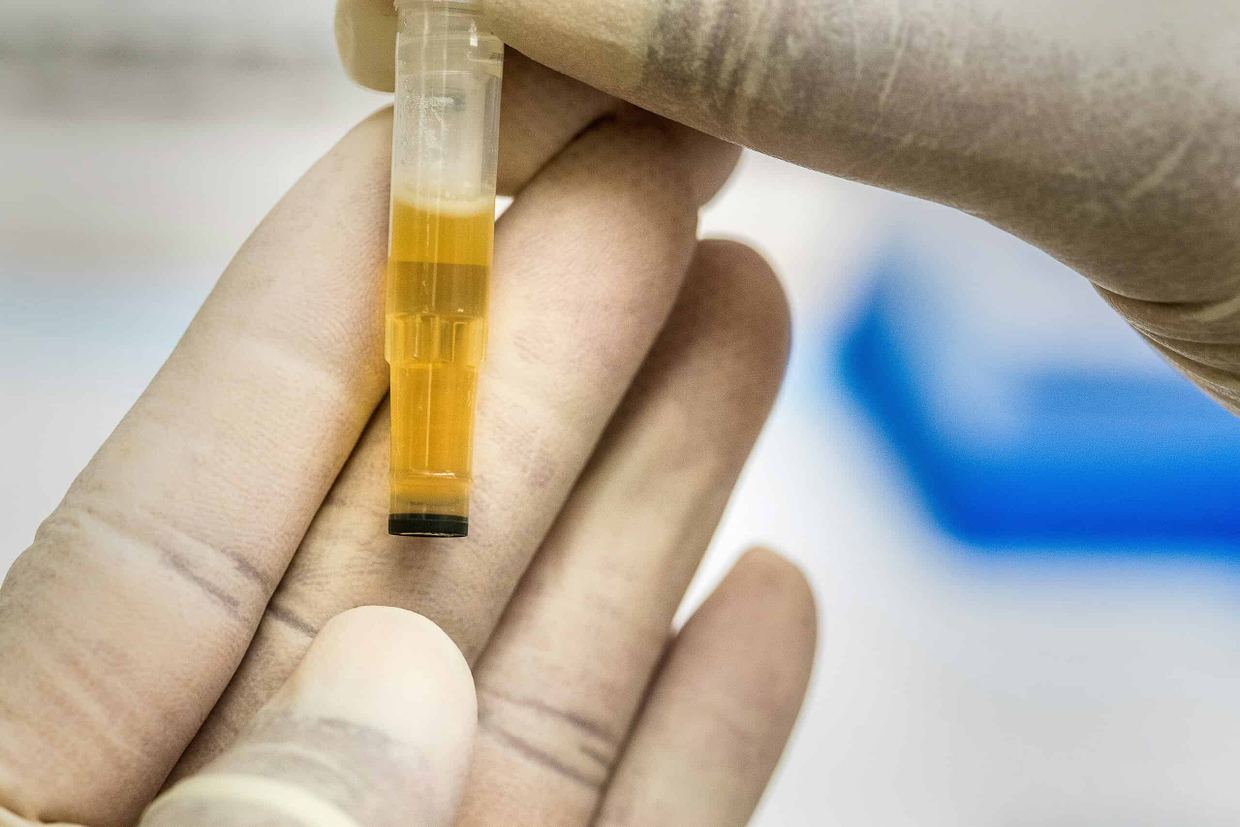
Researchers, including a Stanford team, have described uRARE-seq, a liquid biopsy method that sequences cell-free RNA (cfRNA) fragments in urine. According to the paper on nature.com, the method was applied to 683 urine samples from patients with cancer and from controls. It showed 95% sensitivity at 90% specificity for detecting localized bladder cancer nature.com
nature.comnature.comOpen source ↗.
The authors note that the approach is still a laboratory result and that prospective studies are needed to assess its clinical utility nature.com
nature.comnature.comOpen source ↗.
How the method works
Urinary supernatant cfRNA is highly fragmented, unlike RNA from cellular sediment. The authors therefore adapted RARE-Seq, a hybrid capture-based approach originally developed for plasma cfRNA, to short urine fragments nature.com
nature.comnature.comOpen source ↗.
Of three extraction strategies compared, a silica column-based one gave the highest RNA yield. Yield was inversely associated with urine pH and was not affected by storage time at −80 °C. Two preservative strategies, EDTA and a commercial solution, gave similar results. Neither one freeze–thaw cycle nor processing delays of 0 to 48 hours changed RNA concentration or gene expression significantly nature.com
nature.comnature.comOpen source ↗.
Urine cfRNA contained transcripts from genitourinary tissues. In patients with prostate, kidney or bladder cancer it also contained tumor-derived transcripts nature.com
nature.comnature.comOpen source ↗.
Detection and treatment response
The method outperformed urine tumor DNA analysis and was unaffected by field-effect mutations. It also detected minimal residual disease and distinguished complete molecular responses after surgery from those after intravesical Bacillus Calmette–Guérin (BCG) therapy nature.com
nature.comnature.comOpen source ↗.
In pretreatment urine, complete responders to BCG showed enrichment of T cell and other immune signatures, which the authors interpret as a preexisting antitumor immune response. Nonresponders showed higher expression of proliferation-related genes nature.com
nature.comnature.comOpen source ↗.
Based on this difference, the team built a biomarker in pretreatment urine from 114 patients to predict the likelihood of response to BCG versus chemotherapy. Its area under the curve was 0.93, and it was strongly associated with the risk of recurrence nature.com
nature.comnature.comOpen source ↗.
In a comparison on 93 samples reported in a summary of the study, uRARE-seq detected 89 cancers, while standard urine cytology detected 32.