Gemelli's IMPROVEMENT study of 5,218 liver transplants: recipient and centre outweigh donor factors
An international study across 61 centres found that recipient condition and centre experience affect liver transplant survival more than donor factors, the authors report.
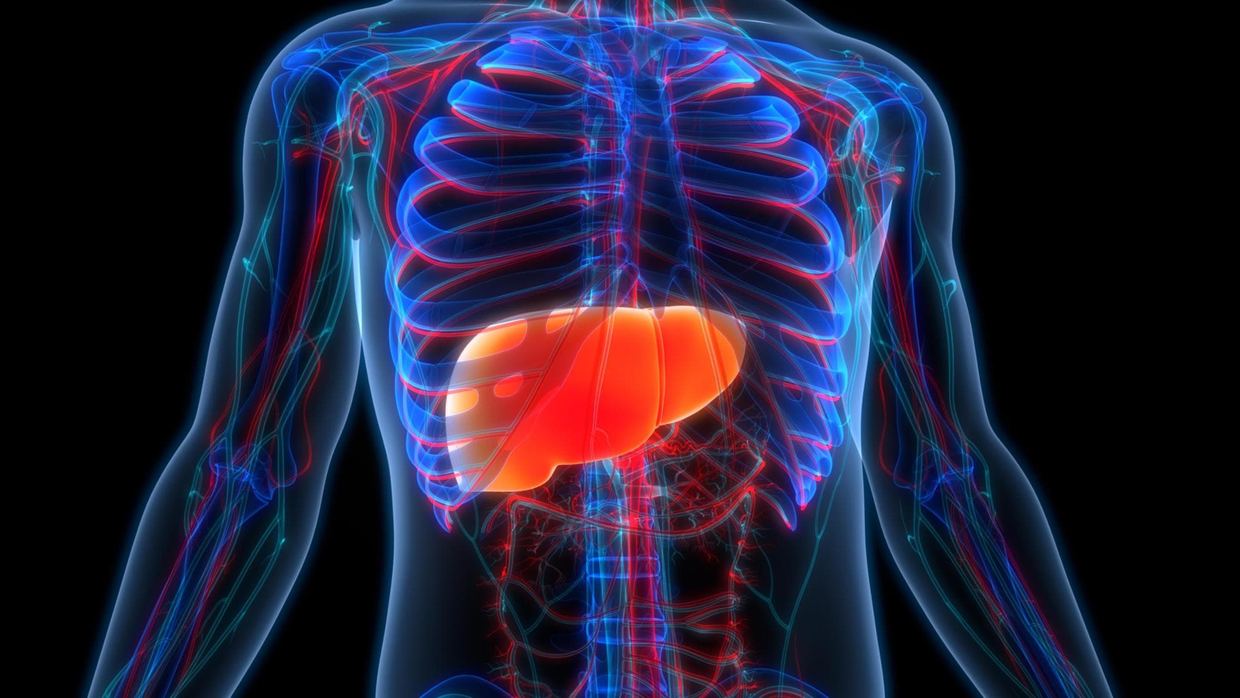
On 4 November 2026 in Rome, Le Scienze reported the results of IMPROVEMENT, an international study of liver transplantation coordinated by the Fondazione Policlinico Universitario Agostino Gemelli IRCCS. The work, published in Lancet Regional Health, included 5,218 patients from 61 centres in Europe, Asia, the Americas and Oceania. According to the authors, survival depends mainly on the recipient's condition and the centre's experience rather than on the donated organ. lescienze.it
Le Scienzelescienze.itOpen source ↗
The study was designed to analyse the factors of transplant success in a balanced way. Each centre contributed a predetermined number of patients, proportional to its national activity, and two cohorts, before and after the pandemic, were compared. The coordinator was Professor Alfonso Avolio of the Università Cattolica and the Gemelli. lescienze.it
Le Scienzelescienze.itOpen source ↗
Survival and risk factors
Survival was 93% at 90 days, 90% at one year and 80% at five years. Donor-related factors weighed less than expected. lescienze.it
Le Scienzelescienze.itOpen source ↗
The main risk factors concerned the recipient: age, coronary artery disease, advanced liver failure, ventilatory support before surgery, complex portal vein thrombosis and metabolic-associated steatotic liver disease (MASLD). Transfusions and cold organ storage longer than six hours also mattered. lescienze.it
Le Scienzelescienze.itOpen source ↗
Centre volume and the risk calculator
Operating in a high-volume centre, with more than 65 transplants a year, was significantly protective against mortality and complications. Professor Ugo Boggi of the Gemelli said the finding is not a ranking of hospitals but shows that individual risk falls when a transplant sits within an experienced system. He named teams used to complex cases, established pre- and postoperative pathways, and round-the-clock intensive care, interventional radiology and hepatology. lescienze.it
Le Scienzelescienze.itOpen source ↗
The study also produced a calculator that estimates the risk of death at 90 days, one year and two years. It is free to use at improvementstudy.pages.dev and takes a few clinical data points. lescienze.it
Le Scienzelescienze.itOpen source ↗
Avolio stressed that the tool is not meant to decide who should be transplanted. He described it as support for specialists' assessment, helping to identify vulnerable patients early and to act on modifiable factors. Professor Sergio Alfieri added that shorter ischaemia times, better patient preparation and perfusion machines require multidisciplinary work. lescienze.it
Le Scienzelescienze.itOpen source ↗