Imperial College study: climate change raised Cyclone Arnab damage in India by 33%
Researchers at Imperial College London's Grantham Institute simulated the October 28 cyclone with and without human-induced warming. Direct damage to physical assets in India was 33% higher.
Researchers at the Grantham Institute of Imperial College London report that climate change increased the damage caused by tropical Cyclone Arnab by 33%, according to The Hindu Sci-Tech. The cyclone struck eastern India on October 28. Compared with a pre-industrial climate baseline, this resulted in tens of millions of dollars in additional direct economic losses. thehindu.com
The Hindu Sci-Techthehindu.comOpen source ↗ The study was published on Thursday, November 5, 2026.
The storm brought intense rain and peak 1-minute sustained winds of up to 202 kilometres per hour, and caused severe damage to infrastructure across Andhra Pradesh, the study says. thehindu.com
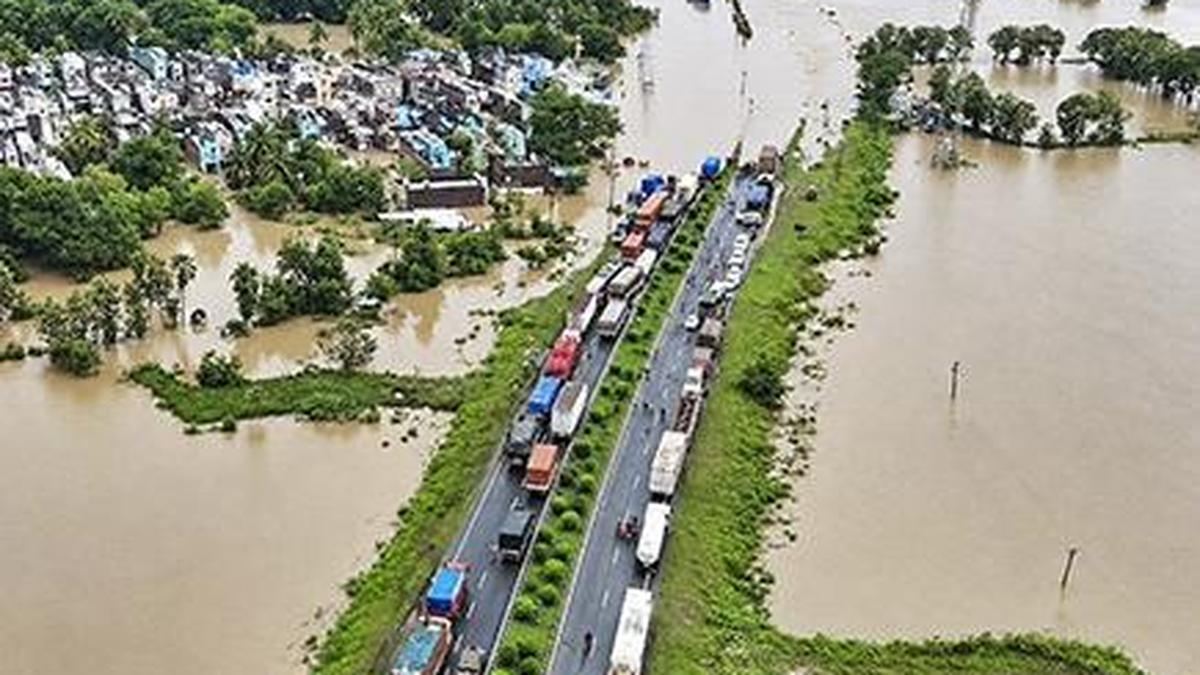
The Hindu Sci-Techthehindu.comOpen source ↗ Flash floods inundated National Highway 16 near Ichchapuram in Srikakulam district, leaving vehicles stranded.
Simulation method
For the analysis, the researchers used the Imperial College Storm Model (IRIS). They simulated Cyclone Arnab under current conditions, which are 1.3 °C above pre-industrial levels. They then compared the result with a counterfactual climate without human-induced warming. thehindu.com
The Hindu Sci-Techthehindu.comOpen source ↗
The difference between the two runs is the basis for the attribution figures reported by the authors.
Wind, rainfall and losses
According to the study, climate change increased the cyclone's maximum wind speed by approximately 5% and intensified its eyewall rainfall rate at landfall by 11%. thehindu.com
The Hindu Sci-Techthehindu.comOpen source ↗
Direct damage to physical assets in India was estimated to be 33% higher than it would have been in a pre-industrial climate baseline. The study attributes roughly 25% of the total economic damage directly to climate change. thehindu.com
The Hindu Sci-Techthehindu.comOpen source ↗
In a statement, Dr. Nathan Sparks, a researcher at the Department of Physics at Imperial College London, said the costs of climate change are not hypothetical future projections and are affecting coastal communities in eastern India today.