Survey of 10,445 academic parents: flexible work policies shift more parenting onto women
In a global survey of academic parents, workplace flexibility reinforced gendered care roles at home, with mothers doing more parenting, the study's authors report.
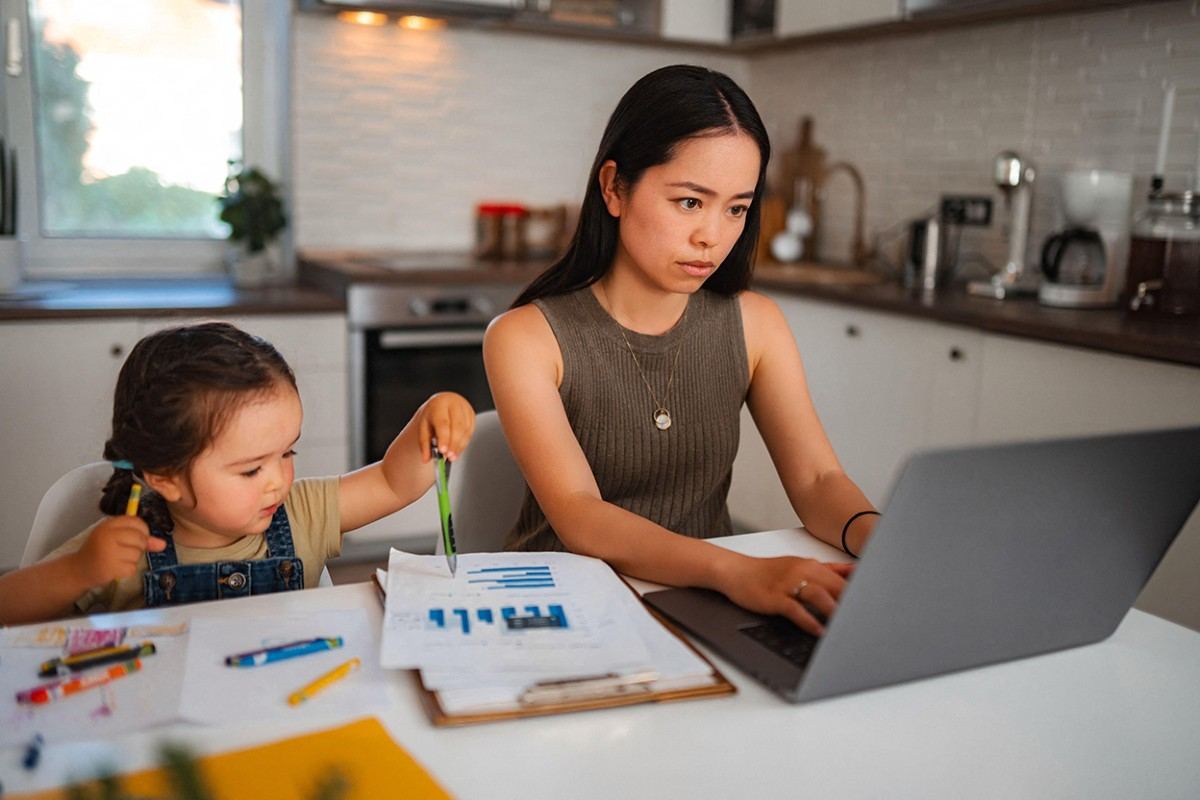
A global survey of 10,445 academic parents at universities and research organizations shows that workplace flexibility is used within households to reinforce gendered roles in care, according to a study in Gender Work and Organization. doi.org
Gender Work and Organizationdoi.orgOpen source ↗ The authors analysed 5903 free-text responses to see how a parenting "unit" functions at the household level.
doi.org
Gender Work and Organizationdoi.orgOpen source ↗
The starting point is that having a child is associated with lower research productivity for women, even when parenting is shared between both parents. doi.org
Gender Work and Organizationdoi.orgOpen source ↗ Universities commonly use family-friendly policies that ease work expectations and allow flexibility in work patterns, performance and participation. According to the authors, such policies have done little to reduce the harm to academic careers, especially women's.
doi.org
Gender Work and Organizationdoi.orgOpen source ↗
What the survey found about parenting roles
In earlier analysis of the survey, women in academia were more likely to be the lead parent and to do most of the parenting. Even when women shared parenting or took a secondary, "satellite" role, they did more than men in the same role. The only task men consistently did more of was coaching a child's sports team, says co-author Gemma Derrick of the University of Bristol.
In the new analysis, women used flexible-work options, such as shifting hours earlier or later in the day, to take on more parenting. doi.org
Gender Work and Organizationdoi.orgOpen source ↗ In academic couples, some men cited their partner's more flexible career as the reason they did less.
doi.org
Gender Work and Organizationdoi.orgOpen source ↗ A UK respondent wrote that flexibility let her partner rely on her "always being available". A US respondent wrote that she makes up daytime work hours at night, until 2am or at least midnight.
"Illusion of flexibility" and career effects
Sanjee Perera of Adelaide University describes academia's "illusion of flexibility": researchers have autonomy over their schedules but are expected to publish, secure external funding, supervise, teach and attend conferences, which she calls "an open-ended workload". Derrick says men who tried to use flexible work to parent more often faced belittling comments or effects on their careers.
A separate survey of 26 female academics in the UK, led by Guoxin Ma of the Royal Agricultural University, found that working from home or adjustable hours made career progression after childbirth harder. Some respondents said they were seen as less committed, and others kept working while on leave because no one else could do their work.
Cassidy Sugimoto of Carnegie Mellon University notes that parenting became more equal in many households during the COVID-19 pandemic, and hybrid working became more normalized. The study's authors conclude that gendered use of flexibility undermines policy goals, especially if policies are used to nudge mothers to disengage from work. doi.org
Gender Work and Organizationdoi.orgOpen source ↗
Sources · 2
Found a mistake?Read also