KAIST and Georgia Tech: uncoated PAN membrane fractionates crude oil, permeance up 23-fold in lab
A bare porous polyacrylonitrile membrane enriched crude oil in lighter fractions and stayed stable for 4 weeks in the lab; simulations point to a 31.6% energy cut versus atmospheric distillation.
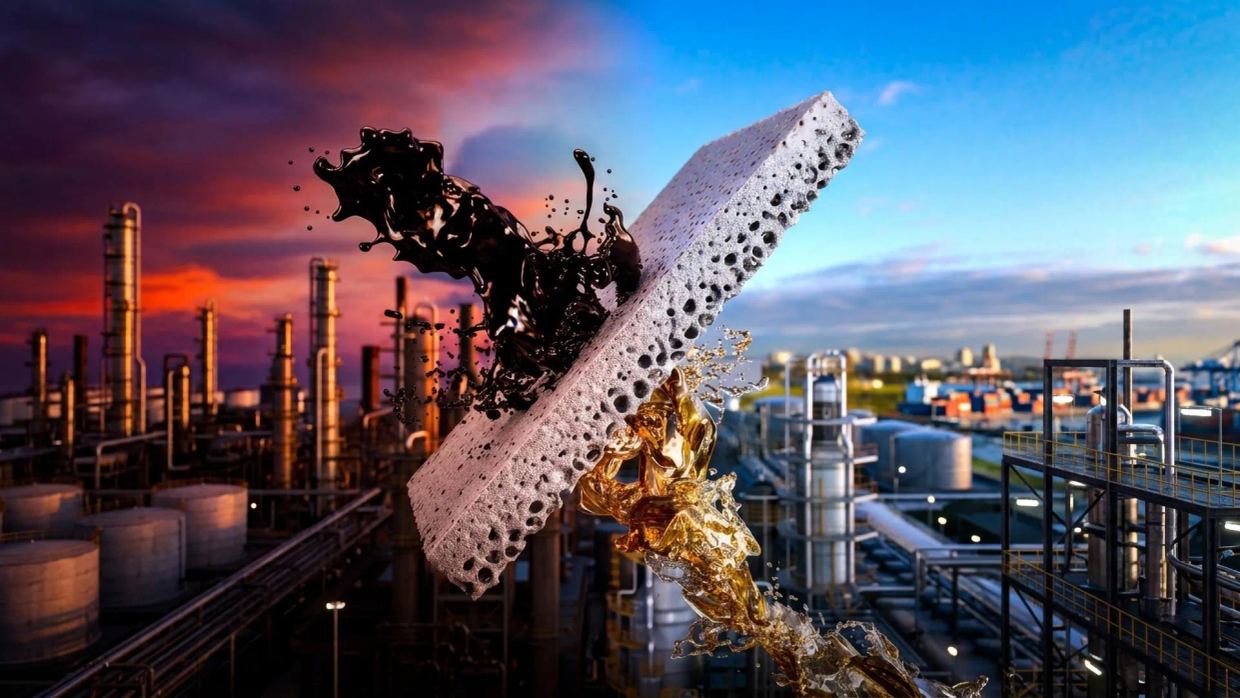
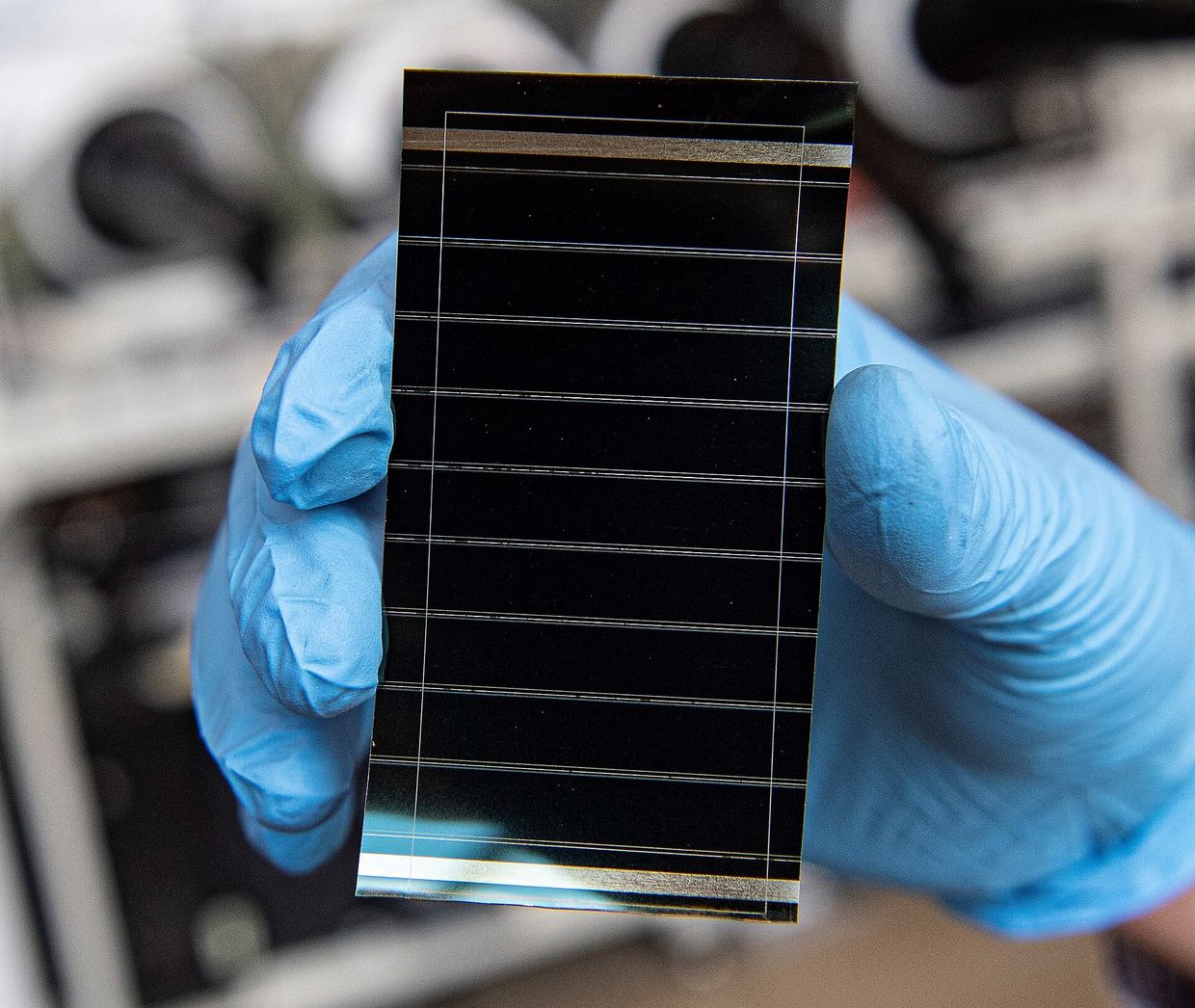
Researchers at KAIST (South Korea) and Georgia Tech (USA), led by Dong-Yeun Koh and the group of Ryan Lively, showed that an uncoated porous polyacrylonitrile (PAN) membrane can pre-fractionate crude oil at steady state, according to a paper in Nature doi.org
Naturedoi.orgOpen source ↗. Atmospheric and vacuum distillation consume more than 1,100 TWh per year and emit more than 160 million metric tonnes of CO2 equivalent annually, which is why membrane pre-fractionation is considered as a retrofit
doi.org
Naturedoi.orgOpen source ↗.
Under tangential flow, the PAN membranes reached crude oil permeances of up to 0.591 ± 0.040 l m-2 h-1 bar-1. This is more than 23 times the previous benchmark doi.org
Naturedoi.orgOpen source ↗. The permeate was enriched in lighter hydrocarbon fractions such as naphtha and kerosene
doi.org
Naturedoi.orgOpen source ↗.
Self-forming pores
PAN is usually used only as a support layer under a separating coating. Here the bare membrane acted as the separating layer itself. Its surface mesopores were initially about 15 nm across. Heavy hydrocarbons deposit in them dynamically and narrow the pores to sub-2-nm dimensions doi.org
Naturedoi.orgOpen source ↗.
Depth-resolved chemical identification showed selective accumulation of n-alkanes. The authors suggest a self-limiting pore constriction that stabilizes the selective transport pathways doi.org
Naturedoi.orgOpen source ↗. Once the n-alkane deposition stabilized, raw crude oils were selectively enriched, and performance held for more than 4 weeks
doi.org
Naturedoi.orgOpen source ↗. According to Koh, the tests used real crude oil supplied by HD Hyundai Oilbank.
Simulation estimates
Process simulations show that PAN-membrane pre-fractionation could reduce energy use by 31.6%, cooling water by 20.7% and CO2 emissions by 37.6% compared with traditional atmospheric distillation doi.org
Naturedoi.orgOpen source ↗. KAIST's release also cites a 36% reduction in operating costs and, for Korea's refining and petrochemical industries, about 10 million tonnes of greenhouse gas emissions avoided per year. These are projections from simulations, not results from operating refineries.
The membrane would be installed as a modular unit ahead of existing distillation equipment, so most current infrastructure could stay in use. Lively said that low membrane productivity was a key obstacle and that the PAN membranes raise it enough for industry to consider the technology seriously.