Sperm RNA in mice shows an 'aging cliff'; a similar length shift appears in two human cohorts
Profiling of small RNAs in mouse and human sperm found a sharp age-specific transition in mice and a shared shift in rRNA fragment length; the effect was tested in cell culture.
A study published in The EMBO Journal reports an "aging cliff" in the small non-coding RNA (sncRNA) profile of mouse sperm: a sharp transition at a specific age. doi.org
The EMBO Journaldoi.orgOpen source ↗ A shift in the length of rRNA-derived fragments in sperm heads was also found in two independent human aging cohorts.
doi.org
The EMBO Journaldoi.orgOpen source ↗ Qi Chen, a urology researcher at the University of Utah, described it as a molecular clock that ticks with age in both species.
PANDORA-seq profiling of sperm RNA
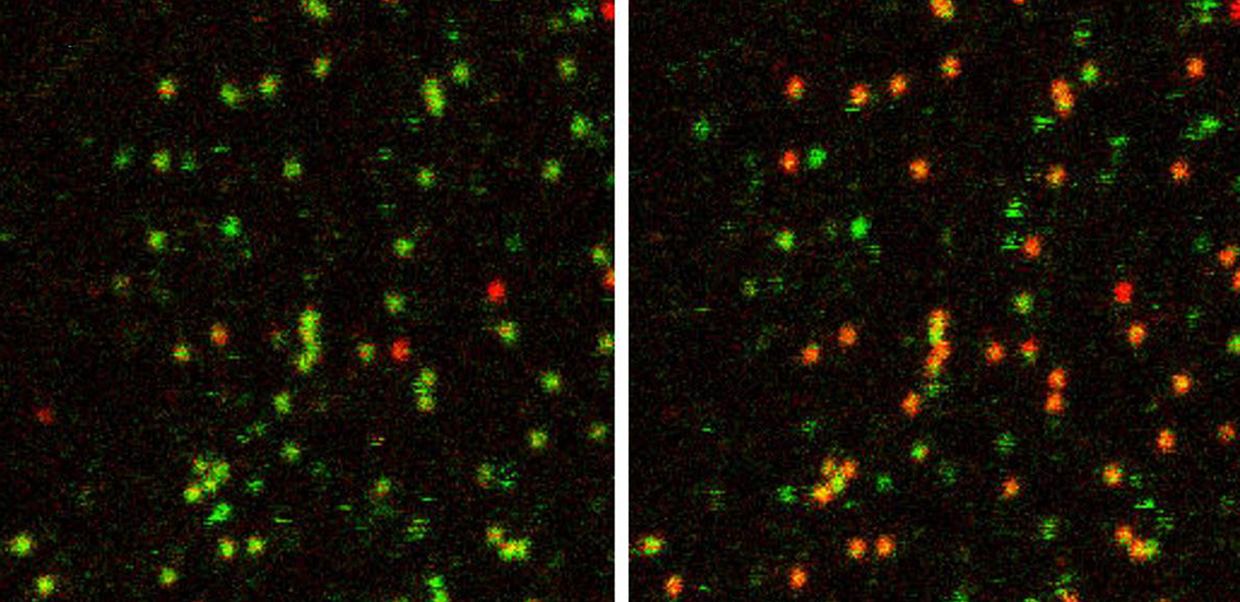
The authors profiled sncRNAs in mouse and human spermatozoa across the lifespan using PANDORA-seq. The method overcomes the detection bias caused by RNA modifications and captures sncRNA species that were previously undetectable. doi.org
The EMBO Journaldoi.orgOpen source ↗ In mice, the profile changed sharply at one age, with significant shifts in genomic and mitochondrial tRNA-derived small RNAs (tsRNAs) and in rRNA-derived small RNAs (rsRNAs).
doi.org
The EMBO Journaldoi.orgOpen source ↗
In mouse sperm heads, the rsRNAs showed a change in length. Longer rsRNAs increased with age and shorter ones decreased. The authors suggest this points to altered biogenesis or processing of these RNAs with age. doi.org
The EMBO Journaldoi.orgOpen source ↗
Human cohorts and embryonic stem cells
The same head-specific rsRNA length shift was observed consistently in two independent human cohorts. doi.org
The EMBO Journaldoi.orgOpen source ↗ The work does not establish whether humans experience the same abrupt cliff as mice.
The authors also transfected mouse embryonic stem cells with a combination of tsRNAs and rsRNAs resembling those in aged sperm. This changed the transcriptome, affecting metabolism and neurodegeneration pathways, which mirrors the phenotypes seen in offspring fathered by aged sperm. doi.org
The EMBO Journaldoi.orgOpen source ↗ This is a cell-culture experiment.
Sperm are known to accumulate DNA damage and mutations with age. They also deliver RNA fragments to the egg. Noriko Osumi of Tohoku University, who was not involved in the study, wrote in an accompanying piece that these fragments are "not merely passive remnants but part of the information delivered at fertilization".
For context, a World Health Organization study of 8,500 couples in 25 countries found that male factors contributed fully or in part to 45 percent of infertility cases. Chen and colleagues now plan to find out why the RNA changes occur. According to Chen, the enzymes driving the shift could become targets for interventions aimed at sperm quality in aging males.