Researchers engineer a stable human IL-39 cytokine in cell culture that activates STAT1 and STAT3
Human cells did not readily assemble IL-39 from IL-23α and EBI3. Subunits engineered to form a disulfide bond gave a secreted, active protein in cultured cells.
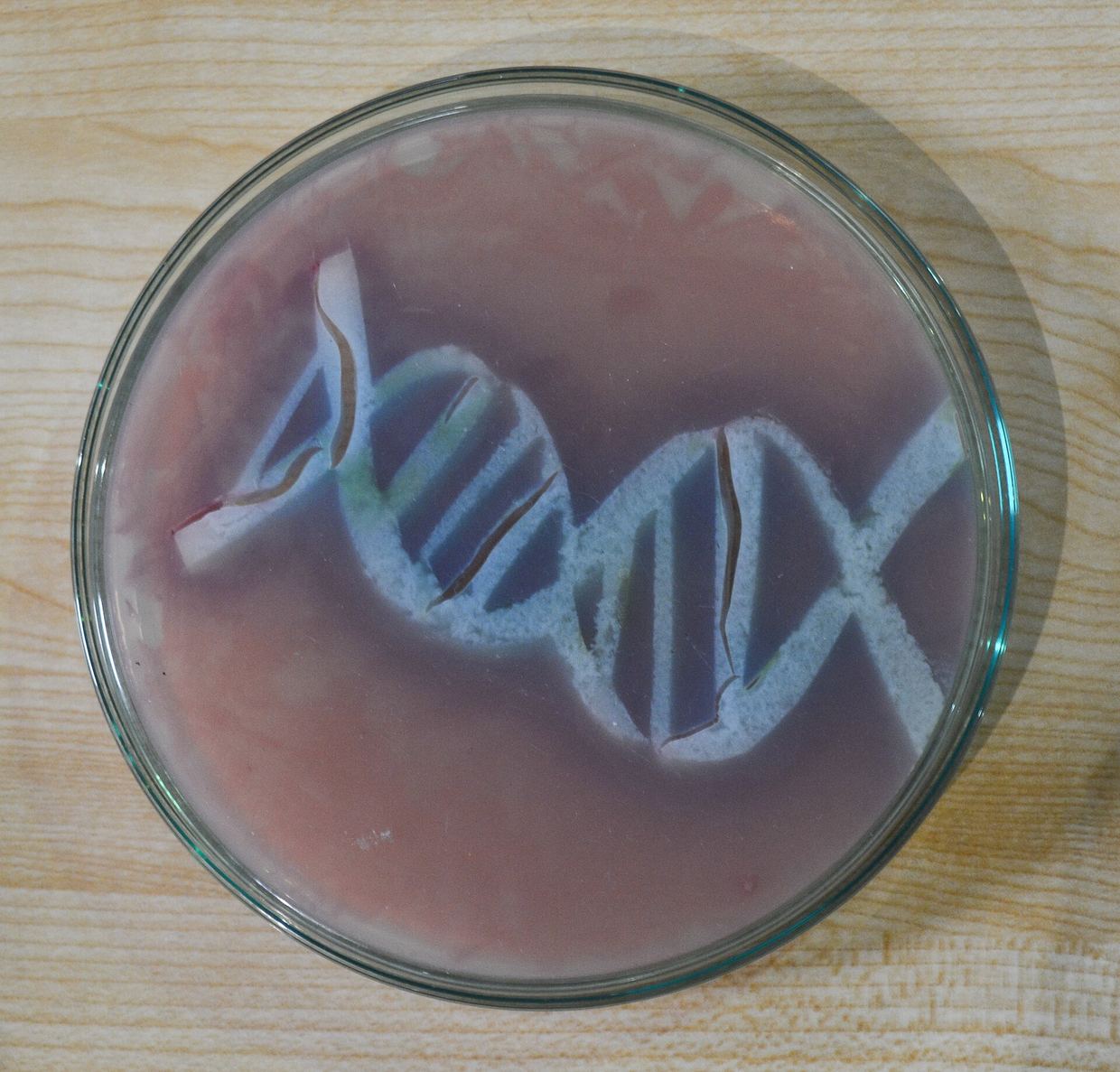
A team led by Chantal Bergmann reported in Science Signaling that interleukin-39 (IL-39) does not readily form from its two subunits, IL-23α and EBI3, in human cells. The authors then redesigned the subunits so that they assemble into a stable, secreted protein. The work is preclinical and was done in cultured cells doi.org
Science Signalingdoi.orgOpen source ↗.
Interleukins are signaling proteins that control immune responses, and more than 40 types have been identified in humans. IL-39 has been described as a proinflammatory cytokine in mice, but whether it exists in the human interleukin repertoire has remained controversial doi.org
Science Signalingdoi.orgOpen source ↗.
Why human cells do not form IL-39
The researchers studied the formation of IL-39 from IL-23α and EBI3 in human kidney cells. Combining computer modeling with experiments, they found that the heterodimer did not readily form doi.org
Science Signalingdoi.orgOpen source ↗.
The analysis identified structural features that destabilize the human IL-23α:EBI3 heterodimer. According to the authors, these findings define limitations in the biogenesis of human IL-39 doi.org
Science Signalingdoi.orgOpen source ↗.
An engineered version and its activity
Using these structural insights, the team rationally engineered human IL-23α and EBI3 to form disulfide-linked heterodimers. Cells secreted the resulting protein doi.org
Science Signalingdoi.orgOpen source ↗.
On primary human immune cells, the engineered cytokine engaged the receptor subunits IL-23R and gp130. This stimulated phosphorylation of the transcriptional regulators STAT1 and STAT3 and led to the secretion of proinflammatory cytokines doi.org
Science Signalingdoi.orgOpen source ↗.
The authors state that these limitations can be overcome by molecular engineering. They say the work highlights the potential of rational cytokine engineering for generating active immune signaling proteins. They also say it lays the foundation for further study of possible roles of IL-39 in human immunity, which remain undefined doi.org
Science Signalingdoi.orgOpen source ↗.