Norse church ruins confirmed by a burial at Qinngua in southern Greenland
Researchers from Bergen, Denmark and Greenland found a skeleton at Qinngua near Narsarsuaq, confirming a Norse church. No Norse church had been found in Greenland for more than 60 years.
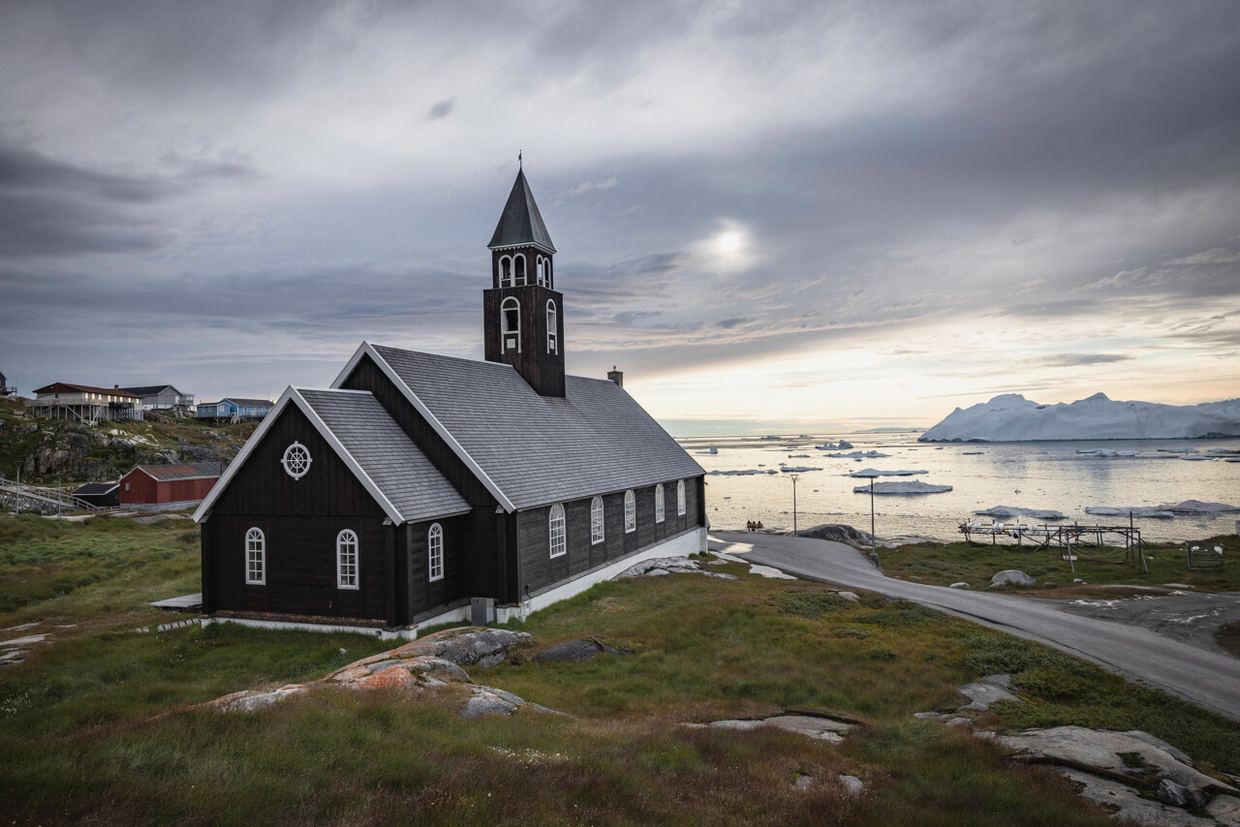
Researchers from the University Museum of Bergen, the National Museum of Denmark, the Greenland National Museum and Archives and UNESCO Kujataa found a skeleton during an August excavation at Qinngua near Narsarsuaq in southern Greenland, according to www4.uib.no. The burial confirms that the ruins are a church from the Norse settlement period. The site lies not far from the homestead and chieftain seat of Erik the Red. www4.uib.no
www4.uib.nowww4.uib.noOpen source ↗
More than 60 years have passed since a Norse church was last found in Greenland. Earlier finds were churches from the early Viking era that were quickly abandoned or closed. This one is larger and was probably used throughout the Middle Ages. www4.uib.no
www4.uib.nowww4.uib.noOpen source ↗
Evidence for a church
The site consists of a square stone wall with a stone building in the centre, a typical feature of a medieval church. The decisive proof would be a cemetery with graves, and it had been missing since the first excavations at the site by the Danish National Museum. This summer the team found a skeleton oriented to the east, as Christian burials traditionally are. The grave therefore confirms both the cemetery and the church. www4.uib.no
www4.uib.nowww4.uib.noOpen source ↗
Project co-leader Konrad Smiarowski of the University Museum of Bergen noted that Inuit burials differ: the dead are placed in stone chambers under cairns, while Norse people were buried in consecrated ground by churches. Medieval texts name several Norse churches and give their locations. One of the most credible descriptions, of "Kirkja undir Sólarfjöllum" (the church under the sun mountains), fits the new site and the mountains behind it. Church locations have mostly been identified from texts such as Flateyjarbók and Ívar Bárðarson's descriptions of Greenland, landscape analysis and known Norse settlement. Smiarowski said the fit with the expected pattern may indicate that more churches exist. www4.uib.no
www4.uib.nowww4.uib.noOpen source ↗
Dating and context
Samples from the find are still being analysed. The skeleton lies with its arms along the sides, which may point to the early Middle Ages. The church's large size and many partly dressed stones are usually dated to 1100-1300. Ruins of two to three farms near the church may indicate the beginning of a small village community. www4.uib.no
www4.uib.nowww4.uib.noOpen source ↗
Six churches have been found in this relatively small area near Brattahlíð, and only three appear to have remained in use into the Middle Ages. Smiarowski suggested the area may have seen particularly strong growth in church building, with the local elite competing to show power and status, and that some attempts may have failed. Greenland's Norse society existed from about 980 until the 15th century, when it collapsed and the settlement disappeared. The reasons have been debated among researchers for decades. www4.uib.no
www4.uib.nowww4.uib.noOpen source ↗
Sources · 2
Found a mistake?Read also