MRI of locus coeruleus and dopamine nuclei linked to memory decline over 10 years in 700+ people
In a bioRxiv preprint, authors analysed brain MRI from over 700 participants and report that scans of two brainstem nuclei predict changes in memory and language 10 or more years ahead.
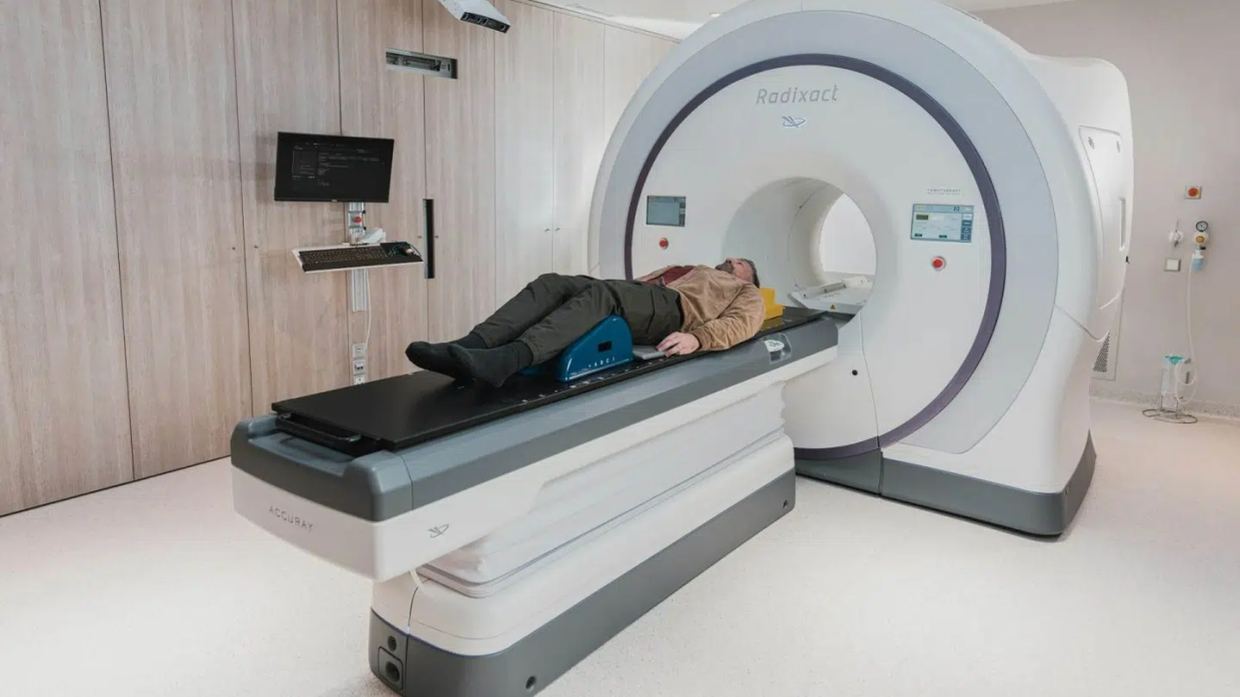
An international team of researchers has analysed brain MRI data from more than 700 participants of a long-term project and reports that the appearance of two small brainstem structures predicts later cognitive decline, according to Naked Science naked-science.ru
Naked Sciencenaked-science.ruOpen source ↗. The work involved specialists from the University of Southern California (USA), Cedars-Sinai Medical Center (USA) and the Max Planck Institute for Human Development (Germany). The authors described the study in a preprint on bioRxiv.org
naked-science.ru
Naked Sciencenaked-science.ruOpen source ↗.
Which brain structures were examined
The first structure is the locus coeruleus, located in the brainstem. It is the main source of norepinephrine and takes part in regulating attention naked-science.ru
Naked Sciencenaked-science.ruOpen source ↗. The second is an area that combines the substantia nigra and the ventral tegmental area. These are key centres of the dopamine system, which is responsible for motivation, learning and memory
naked-science.ru
Naked Sciencenaked-science.ruOpen source ↗.
Until the 2020s, changes in these deep brainstem regions could be assessed mainly through postmortem study of tissue. Specialised MRI scans now make it possible to track their integrity safely in living people naked-science.ru
Naked Sciencenaked-science.ruOpen source ↗. This is what allowed the team to compare scans with years of follow-up data.
What the long-term follow-up showed
According to the multi-year observation, the brightness and clarity of these nuclei on MRI predict future changes in memory, speech and everyday activity over a period of 10 years or more naked-science.ru
Naked Sciencenaked-science.ruOpen source ↗. The direct link between the structure of the nuclei and cognitive test results at the time of scanning was much weaker than this long-term predictive effect.
The authors report that problems in these structures correlate with tissue loss in the connected cortical areas. In particular, deterioration of the locus coeruleus raises the risk of mild cognitive impairment progressing to Alzheimer's disease by almost 84 percent over a five-year period naked-science.ru
Naked Sciencenaked-science.ruOpen source ↗.
The researchers also found that certain patterns of structural brain change may act as factors of cognitive resilience. In the authors' view, gradual breakdown of such deep regulatory centres triggers a cascade of negative changes across the central nervous system. They note that the data point towards non-invasive methods of early diagnosis naked-science.ru
Naked Sciencenaked-science.ruOpen source ↗.