CCMB finds two rare MYH7 mutations linked to hypertrophic cardiomyopathy in 160 patients from Telangana
Researchers at CSIR-CCMB, Osmania University and AIG Hospitals analysed the MYH7 gene in patients with hypertrophic cardiomyopathy. Two rare variants were classified as likely pathogenic.
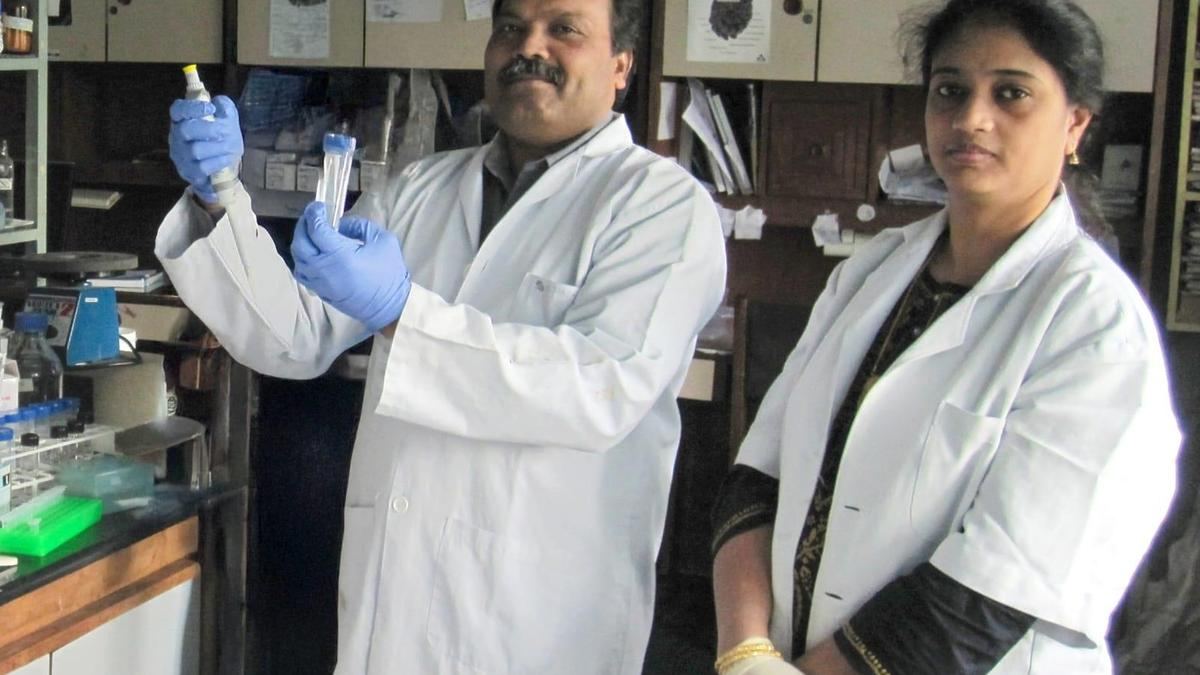
Scientists at the CSIR-Centre for Cellular and Molecular Biology (CCMB) in Hyderabad, together with Osmania University and AIG Hospitals, have identified two rare mutations in the MYH7 gene linked to hypertrophic cardiomyopathy (HCM), an inherited heart disease, The Hindu reports. The findings were announced in an official release on Thursday and published in the Journal of the American College of Cardiology: Asia thehindu.com
The Hinduthehindu.comOpen source ↗.
HCM is a potentially life-threatening condition that can lead to heart failure and sudden cardiac death. The heart muscle becomes abnormally thick, which makes it harder for the heart to relax and pump blood efficiently. Symptoms include breathlessness, chest pain and abnormal heart rhythms.
MYH7 analysis in patients from Telangana
MYH7 encodes beta-myosin heavy chain, a force-generating protein in heart muscle cells that is needed for contraction. The team, led by Deepa Selvi Rani and Kumarasamy Thangaraj of CCMB, with Pratibha Nallari of Osmania University and Dr. Calambur Narasimhan of AIG Hospitals, analysed the gene in 160 HCM patients and 178 healthy individuals from Telangana thehindu.com
The Hinduthehindu.comOpen source ↗.
The analysis identified 34 genetic variants. Two rare mutations were singled out as particularly significant. Both lie in critical regions of the myosin protein and are believed to impair normal contraction of the heart muscle thehindu.com
The Hinduthehindu.comOpen source ↗.
Two families, two variants
The first mutation was found in a 52-year-old woman with severe thickening of the heart muscle and in her 26-year-old son, who had milder symptoms. The second was found in a 58-year-old man with obstructive HCM and a family history of sudden cardiac death. His 24-year-old daughter carries the same mutation and shows mild thickening of the heart muscle thehindu.com
The Hinduthehindu.comOpen source ↗.
According to Dr. Thangaraj, both variants were classified as "likely pathogenic" on the basis of clinical, genetic and structural evidence. They were absent in the healthy individuals and in major global population databases. This suggests, he said, that the variants are rare and may be enriched in Indian or South Asian populations thehindu.com
The Hinduthehindu.comOpen source ↗.
The authors say the findings could pave the way for earlier diagnosis, targeted treatment and family-based screening. CCMB Director Vinay Nandicoori said the study strengthens understanding of the genetic basis of inherited cardiovascular diseases and could support precision diagnosis and population screening in the future thehindu.com
The Hinduthehindu.comOpen source ↗.
The release notes that heart disease is the leading cause of death worldwide and a major health burden in India, particularly among people aged 35 to 64 years.