Study of 190,000 parent-child pairs finds 58 genomic regions linked to human recombination
Meta-analysis of cohorts from four countries links 58 regions to recombination frequency and location; seven are novel and many act differently in women and men.
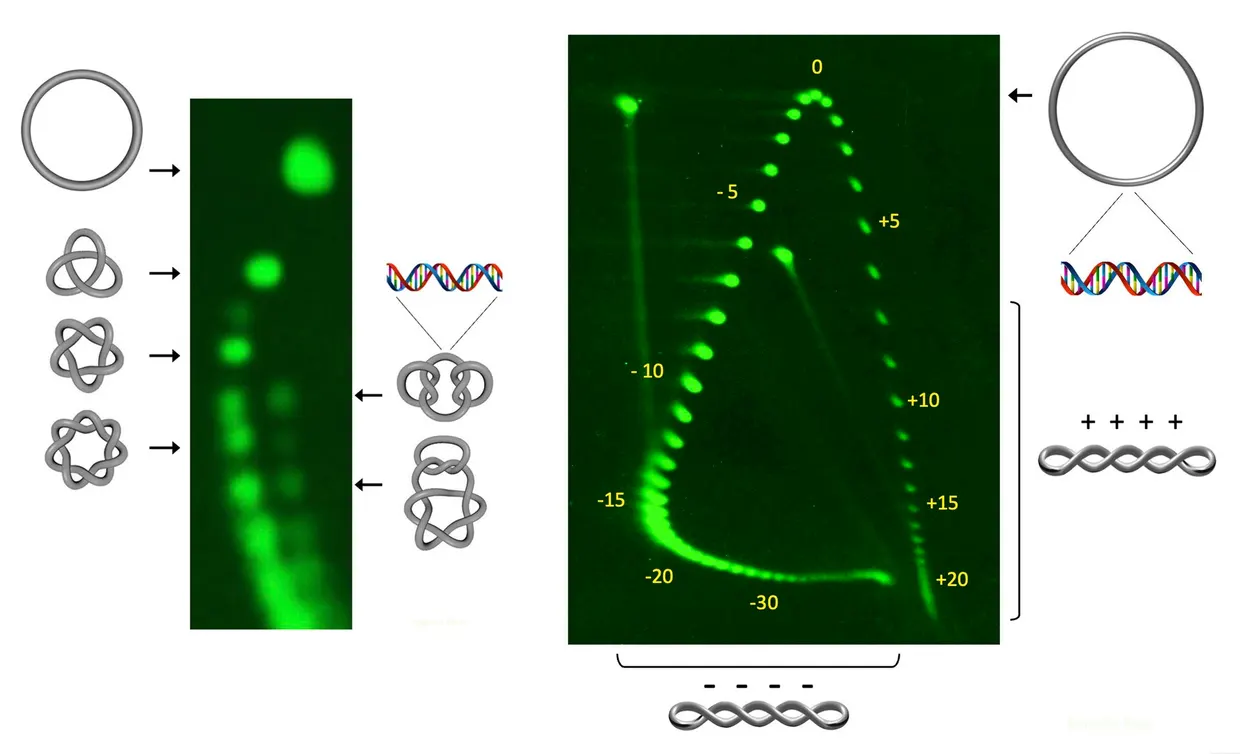
A team with corresponding author Matthew R. Robinson of the Institute of Science and Technology Austria analyzed 112,144 maternal and 78,653 paternal meiosis events from four countries. The aim was to find the genetic factors that determine how often and where human chromosomes recombine, according to a paper in Nature Communications nature.com
Nature Communicationsnature.comOpen source ↗. The authors describe it as the largest meta-analysis of human meiotic recombination to date.
Meiotic recombination drives genetic diversity and chromosome segregation, but the genetic factors behind differences in human recombination rates across studies remained poorly understood. The data came from several cohorts, including the Norwegian Mother, Father and Child Cohort Study, Generation Scotland and the Estonian Biobank, with deCODE Genetics collaborating.
Regions and sex differences
The analysis identified 58 independent genomic regions (24 unique across phenotypes) associated with recombination frequency and location. Among them are six novel female-specific regions that contain genes linked to ovarian function, and a seventh novel region linked to male recombination. Many loci show sex-dependent effects.
The between-sex genetic correlation is 0.374 (0.072 SD), according to the authors nature.com
Nature Communicationsnature.comOpen source ↗. DNA markers account for 30–40% of individual-level variation in recombination rate. Previously known global modulators explain only 37.7% (2.7% SD) of this variation in females and 47.1% (3.8% SD) in males.
Polygenic predictor and reproductive links
The researchers built a polygenic predictor that significantly predicts recombination rates in both women and men after adjusting for age and birth year. This means the genetic variants found in the study carry usable information about an individual's recombination rate in each sex.
Female recombination also correlates significantly with reproductive outcomes and aging, after adjusting for study ascertainment. The authors conclude that the results reveal novel sex-specific loci and clarify the polygenic architecture underlying variation in meiotic recombination.
The work is a statistical genetic analysis of existing cohort data. It describes associations between genomic regions and recombination, and the paper's findings are reported at the level of populations and cohorts.