A fully formed canine tooth removed from the eye socket of a 16-year-old patient in India
Doctors in India removed a canine from the left orbit of a 16-year-old; the authors report it as the first ectopic tooth described in the superior orbit.
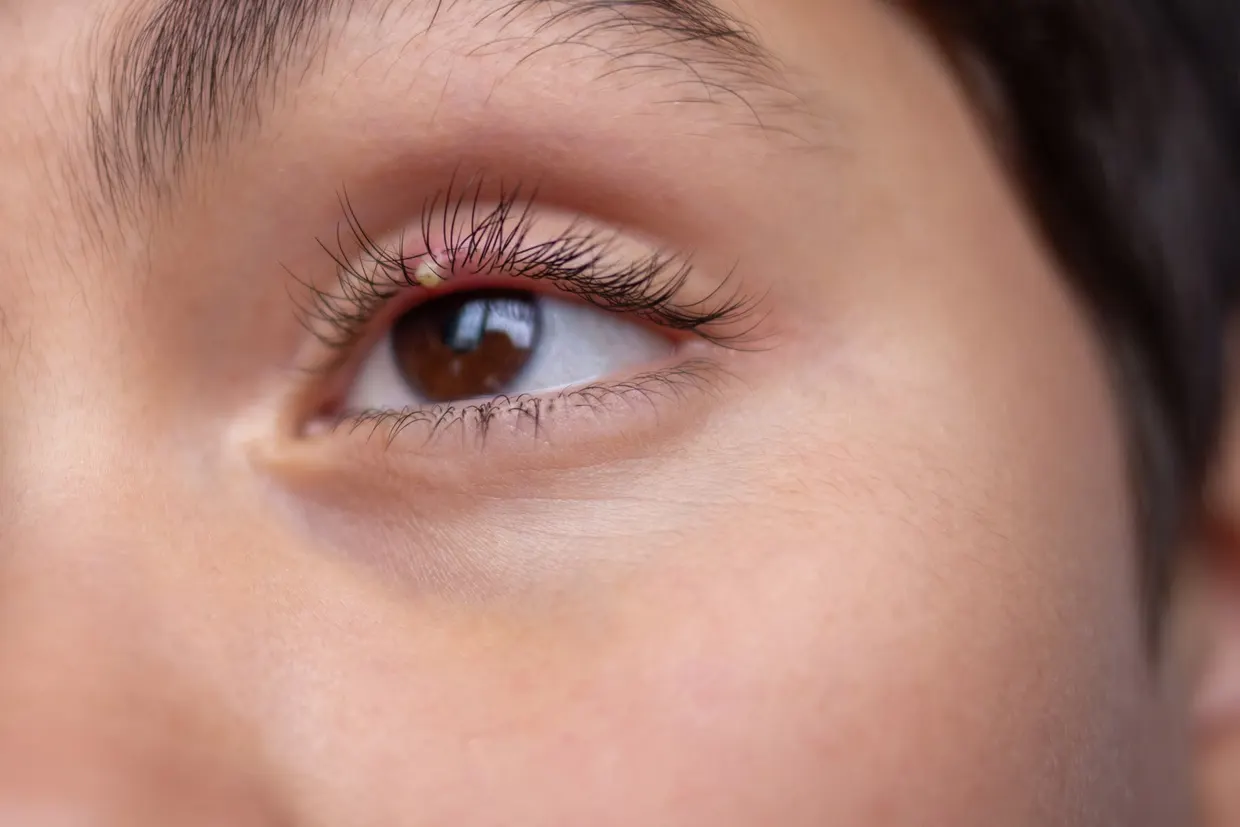
A 16-year-old patient from India came to hospital after two hard, whitish outgrowths emerged through his left eyelid, Futura Sciences reports. The eyelid had been swollen for about a month. The swelling was painless, so he did not seek care at once, and he became concerned only when the outgrowths broke through the skin. futura-sciences.com
Futura Sciencesfutura-sciences.comOpen source ↗ The case was described in the journal Ophthalmology.
Diagnosis and surgery
Doctors first suspected a teratoma, a tumor that can contain varied tissues such as hair, teeth, skin or bone. A CT scan showed something else: the outgrowths were a tooth.
Surgery to remove it was scheduled immediately. The surgeons found a fully formed canine in the left orbit, the bony cavity that houses the eye. According to the authors, it is the first and only ectopic tooth reported in the superior orbit. Dr Meghana Tanwar, who took part in the case study, said the team was very surprised.
The doctors could not explain how the tooth developed there. The patient had suffered no trauma, and no possible cause of the migration was found. futura-sciences.com
Futura Sciencesfutura-sciences.comOpen source ↗ After the extraction, medical imaging was used to check for other teeth elsewhere in the body; none were found.
What ectopic teeth are
An ectopic tooth is one that grows where it should not, in another part of the body instead of the mouth. It may be a milk tooth, a permanent tooth or a supernumerary tooth, that is, an extra one.
Such teeth usually form in the maxillary sinus, a cavity in the upper jaw, but have also been found in the nose, the palate and the chin. They can go unnoticed for years. When they make themselves felt, they may cause pain, swelling, headaches or difficulty opening the mouth; in the nose they may cause obstruction and bleeding.
The face forms in the womb from several groups of cells and tissues that migrate and fuse, and tooth formation depends on interactions between some of them. A deviation at one stage may lead a tooth to develop away from its usual place. futura-sciences.com
Futura Sciencesfutura-sciences.comOpen source ↗ Other possible factors include trauma, some dental treatments, and cysts or tumors; more rarely the cause is genetic, as with cleidocranial dysplasia, a rare disease affecting bone and tooth development.
Several ectopic teeth can occur in the same person, and a new tooth can sometimes grow at the same site after extraction.