Placenta arises from two trophectoderm sources, including a previously unrecognized mural population
Single-cell transcriptomics and live imaging in embryos at implantation showed that the placenta forms from polar trophectoderm and a mural population migrating from the polar-mural border.
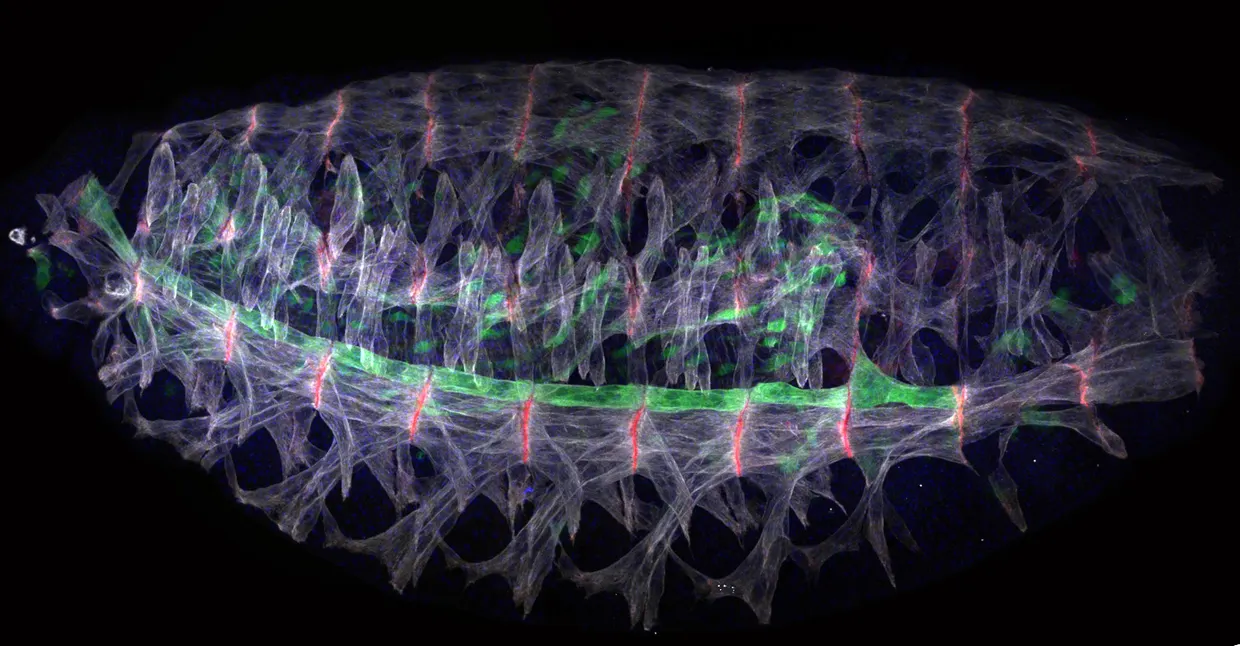
A study in Nature Cell Biology combined single-cell transcriptomics, live imaging and functional experiments to describe cellular transitions during mammalian implantation and the start of placental formation nature.com
Nature Cell Biologynature.comOpen source ↗. According to the authors, implantation is the least accessible stage of mammalian development, and it is the period when most pregnancies are lost.
The authors identified an intermediate state between naive and primed pluripotency in the embryonic lineage. They also traced the origins of anterior-posterior axis specification to the extraembryonic endoderm and described the division of the trophectoderm into distinct placental progenitors.
The main finding concerns the origin of the placenta. It arises from two sources: the classically recognized polar trophectoderm and a previously unrecognized population of mural trophectoderm that migrates from the polar-mural border. Human mural trophectoderm shows similar region-specific behaviour and may include progenitors biased toward invasive trophoblast, the authors report.
The authors state that the results may help improve stem-cell-derived embryo models and the study of early determinants of pregnancy success.