Mercury from Maya cinnabar pigment exceeded toxicity thresholds in Yucatán lake sediments for centuries
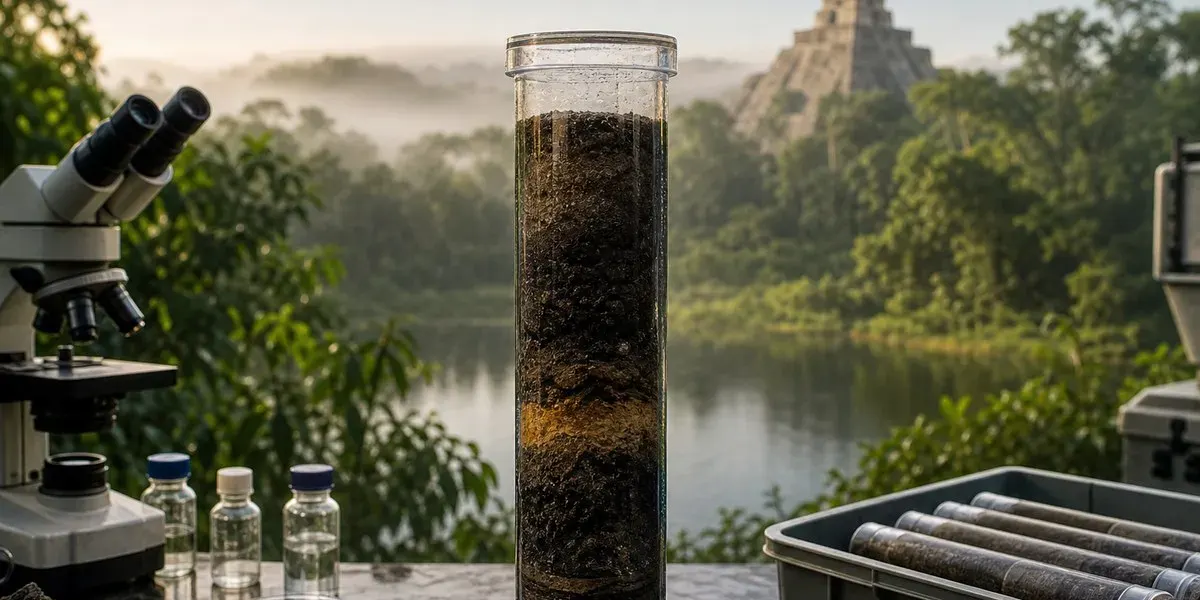
Sediment cores from two Yucatán water bodies show Classic Period mercury far above modern toxicity thresholds, alongside a collapse of the aquatic food web.
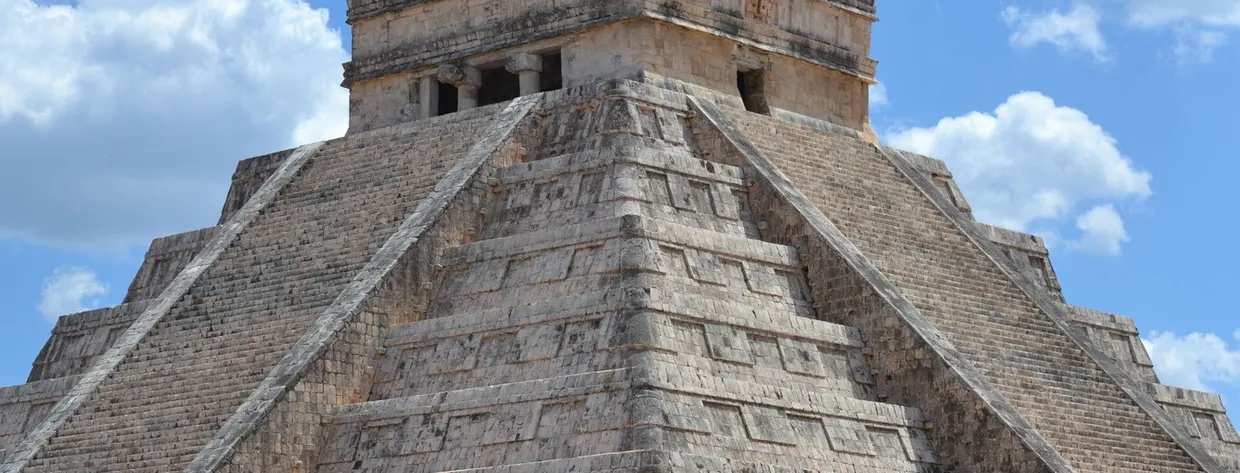
A study in Science Advances reports that sediments from two water bodies on the Yucatán Peninsula, Lake Cobá and cenote Xcach, contain mercury at concentrations that exceeded modern sediment toxicity thresholds by orders of magnitude. This lasted for centuries during the Classic Period (250 to 920 CE) of Maya occupation science.org
Science Advancesscience.orgOpen source ↗. The cores were collected in May 2023 and dated by radiocarbon to reconstruct the environmental history of the water bodies.
The sediments also show a collapse of the aquatic food web at the same time as the high mercury levels.
Mercury in the sediments
Mercury in the Maya region is linked to the use of elemental mercury and of cinnabar (HgS), a mineral used as a red pigment. Palaces, plazas, temples and ceramics in the Lowland cities were often coated in intense red. Lead author Matthew Waters told the EFE agency that in cenote Xcach the levels stayed above the severe toxicity threshold, without interruption, for centuries.
To test whether the mercury came from the cities or from a regional atmospheric process, the researchers also analysed two nearby control lakes, Chichancanab and Polol. Neither showed elevated mercury, which the authors interpret as evidence that the metal in Cobá and Xcach came from Maya activity.
Collapse of the aquatic food web
The sediment record contains evidence of decline in algae, bacteria, cyanobacteria, ostracods, snails and nonbiting midges science.org
Science Advancesscience.orgOpen source ↗. The team analysed pigments of algae, cyanobacteria and purple bacteria, along with ostracod and snail shells. The authors conclude that mercury toxicity was an additional environmental stressor for Classic Maya populations. Other stressors known for the period include droughts, deforestation and soil erosion.
Earlier work points the same way. A 2020 study of reservoirs at Tikal closest to the palace and temple found toxic mercury levels, together with two types of cyanobacteria that produce toxins resistant to boiling.
What remains unclear
The sediments record the state of the aquatic ecosystem precisely, but the direct effect on the health of the ancient Maya is harder to measure. The authors note that questions remain about the toxicity of mercury and the consequences of prehistoric exposure for ecosystem and human health. The population relied on cenotes, lakes and reservoirs for drinking, cooking and gathering snails and other aquatic animals.