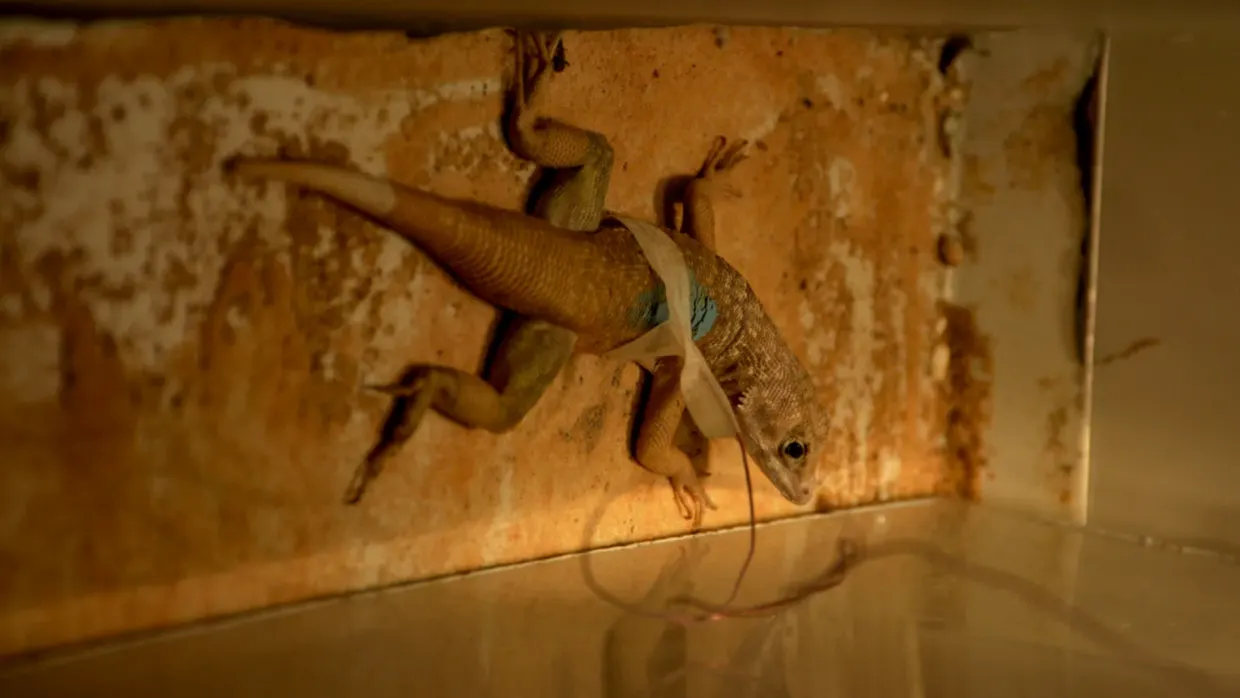
Researchers film first shark in Antarctic waters at 490 m depth near South Shetland Islands
A sleeper shark, probably Somniosus antarcticus, was recorded by a baited camera near the South Shetland Islands. Sleeper sharks had never been observed this far south.
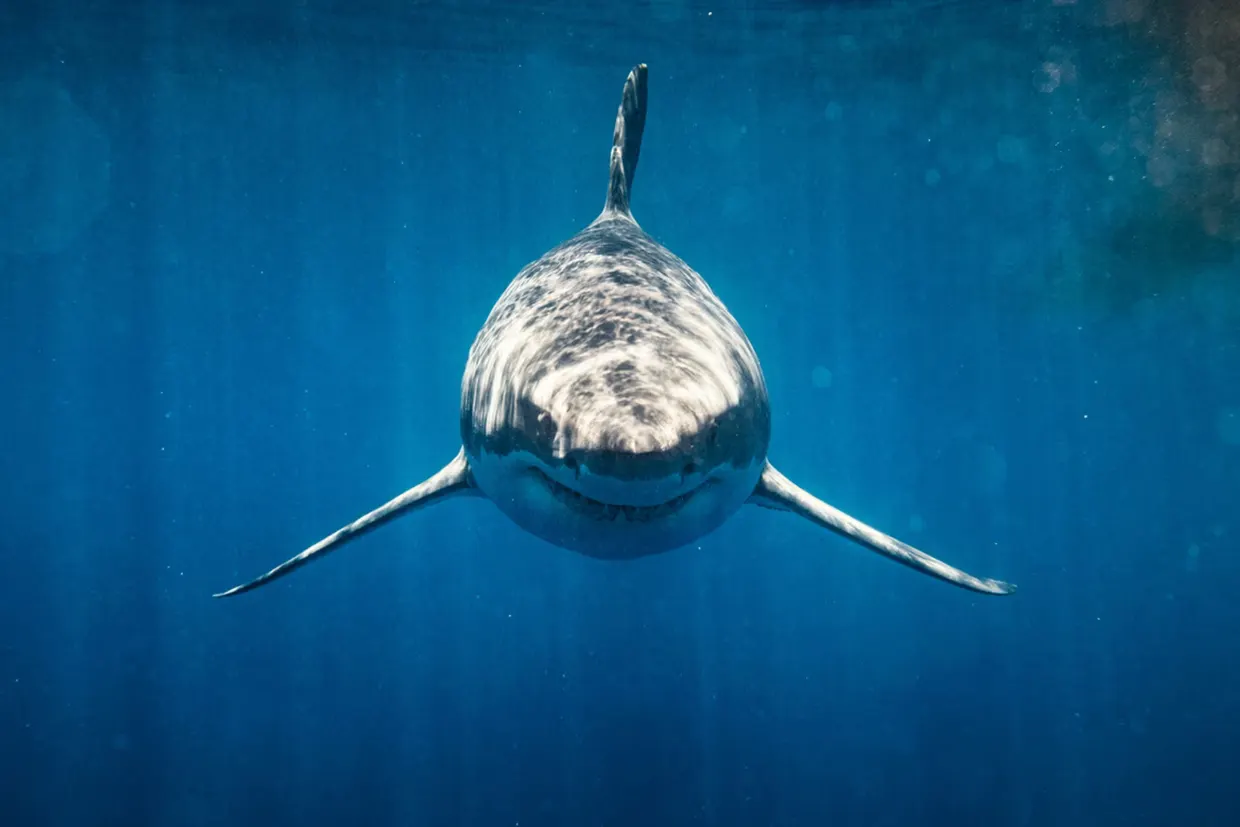
A shark has been filmed in Antarctic waters for the first time, according to Futura Sciences. futura-sciences.com
Futura Sciencesfutura-sciences.comOpen source ↗ The animal was recorded near the South Shetland Islands, about 120 kilometres north of the Antarctic Peninsula. The observation dates to 2025 and was made during an expedition by the Minderoo-UWA Deep-Sea Research Centre and Inkfish Expeditions.
To inventory local biodiversity, the researchers had deployed cameras and bait at a depth of nearly 490 metres. After several days of recording and nearly 400 hours of footage, a massive shark appeared, moving slowly in dark water at about 2 °C. Alan Jamieson, director of the research centre, called it "simply one of those true wonders of nature", stressing how exceptional the encounter was.
A sleeper shark far to the south
From its appearance and behaviour, the animal is a sleeper shark of the family Somniosidae, probably the southern sleeper shark (Somniosus antarcticus). These animals are known for their longevity and slow way of life at depth. They usually inhabit the cold waters of the Arctic or of southern seas, but had never been observed this far south.
The find raises taxonomic questions. Scientists still debate the real number of species in this group and lack recent genetic data. futura-sciences.com
Futura Sciencesfutura-sciences.comOpen source ↗ The filmed individual could therefore help resolve a puzzle that is almost a century old.
Life in the cold deep
Unlike many Antarctic fish with extreme adaptations, such as "antifreeze blood", this shark appears to exploit slightly warmer layers of water to move at depth. The researchers believe it is not an isolated visitor but a discreet species, present for a long time and hard to observe. Windows for scientific exploration in the region remain very short.
According to the article, a large part of deep-sea life, especially around Antarctica, is still unknown.