Bournemouth University archaeologists conclude Iron Age ruler Verica was a woman, not a man
Authors of a Bournemouth University study say Verica, ruler of the Atrebates in Iron Age Britain and long assumed male, was a woman, citing her name and coin imagery.
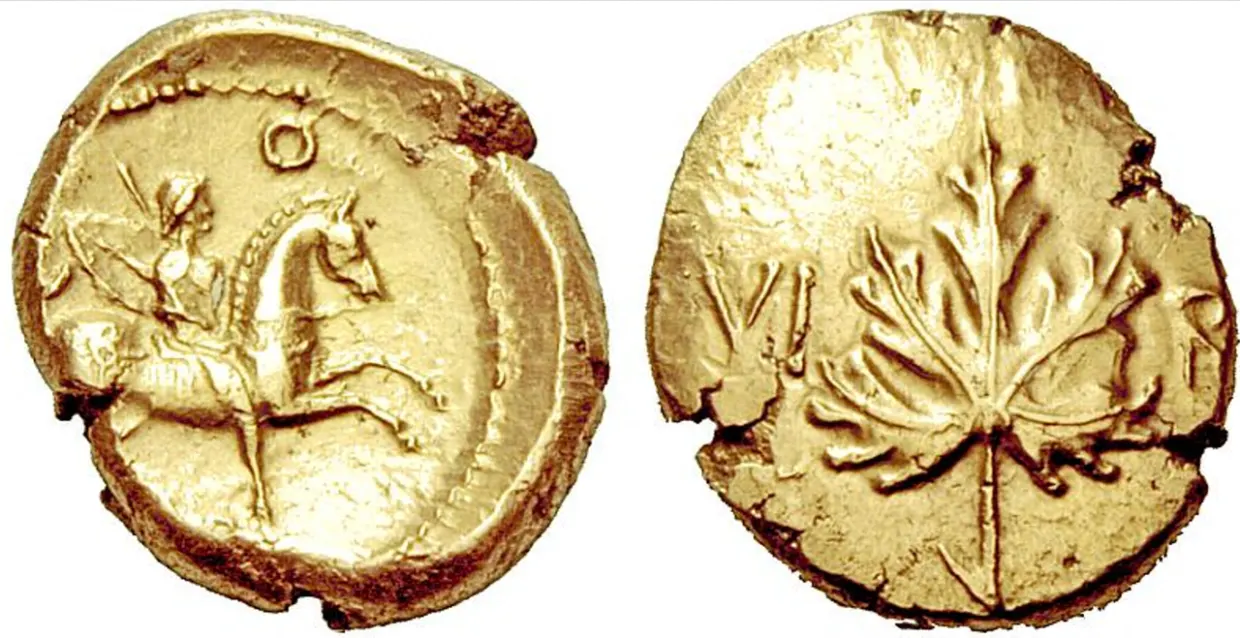
Archaeologists at Bournemouth University (BU) have concluded that Verica, a ruler of Iron Age Britain, was a woman, according to a new study reported by actu.fr actu.fr
actu.fractu.frOpen source ↗. Verica ruled the Atrebates, a tribe whose territory covered much of present-day Hampshire and West Sussex. The authors say this changes the picture of the early history of Roman Britain.
Who Verica was
According to the Roman historian Cassius Dio, the invasion of Britain took place only because Verica persuaded the emperor Claudius to cross the Channel. Dr Miles Russell of BU said Verica played a crucial role in the close relationship between Britain and Rome at the start of the 1st century AD.
Russell attributes the long-standing assumption that Verica was a man to the patriarchal mindset of 19th-century classical historians. In his words, Verica was unquestionably a woman.
Evidence from the name and coins
One clue Russell points to is that the name "Verica" ends in "a", a common ending for women's names of the period actu.fr
actu.fractu.frOpen source ↗. He cites Cartimandua of the Brigantes in Yorkshire and Boudica of the Iceni in Norfolk as comparable examples.
The confusion, he says, arises from the word "rex" on coins. It is often read as proof of a male ruler, but "rex" is a title without gender, and Rome recognised both kings and queens, Cleopatra of Egypt being the best-known example. Russell adds that the Latin title on the coins shows Verica ruled with the full authorisation of the emperor.
The coins struck in her name offer a second clue. Other British Iron Age rulers who issued coins are clearly shown as male warriors, whereas Verica is depicted as a slender, feminine, bare-breasted figure on horseback, according to Russell.
The study describes the invasion as Claudius's great triumph, his only chance to prove himself a competent military leader, with Verica providing the pretext for a change of regime actu.fr
actu.fractu.frOpen source ↗. The research adds to earlier work at the university on the role of women in Iron Age Britain.