Incat's 130-metre battery catamaran China Zorrilla enters service on the Buenos Aires–Colonia route
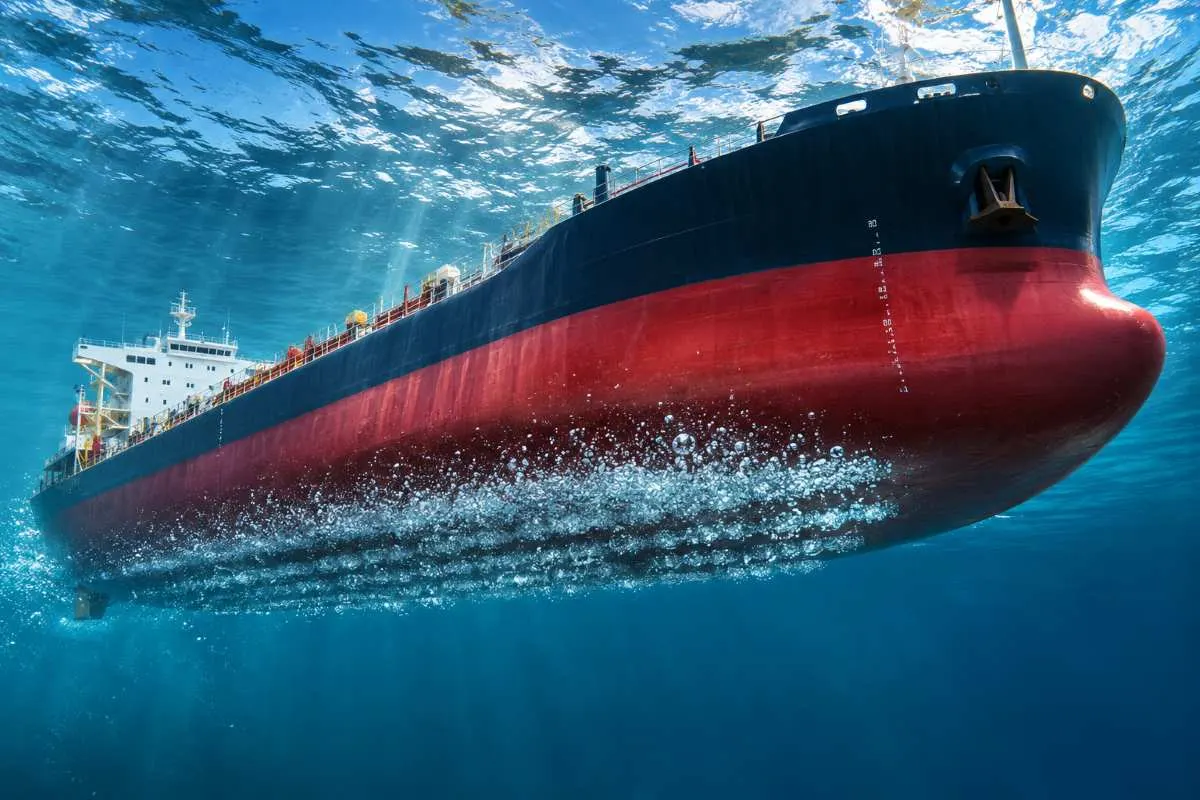
Incat Tasmania built the 130-metre catamaran for Buquebus: 2,100 passengers, 225 cars and more than 40 MWh of batteries, the largest battery-electric ship in the world.
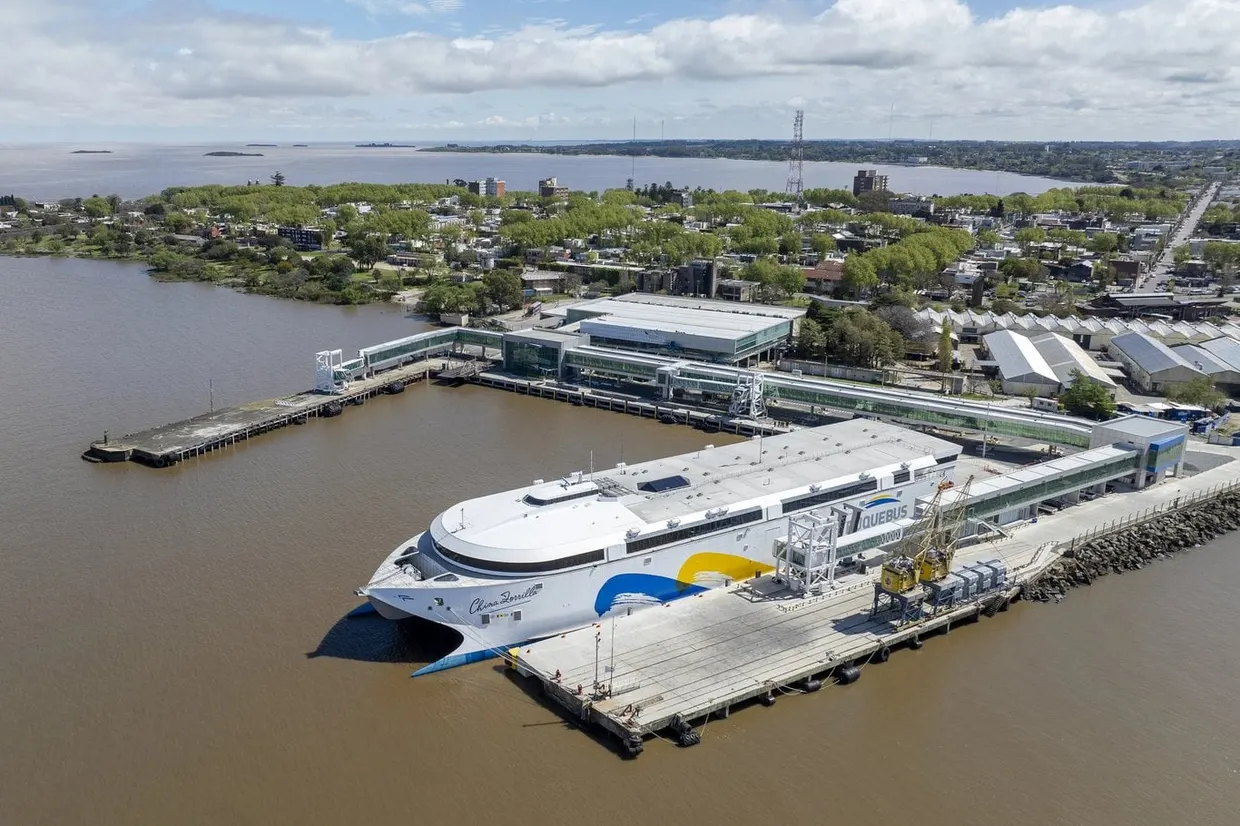
The catamaran China Zorrilla, which holds the title of the largest battery-electric ship in the world, has entered regular service between Argentina and Uruguay, according to denik.cz. denik.cz
denik.czdenik.czOpen source ↗ The 130-metre vessel, Incat Hull 096, was built by Incat Tasmania for its long-standing customer, the South American operator Buquebus.
Vessel and battery system
The ship carries up to 2,100 passengers and 225 cars. Eight electrically driven water jets are powered by more than 250 tonnes of batteries with a total capacity above 40 MWh. For comparison, the source says this corresponds to roughly 500 fully charged batteries of passenger SUVs, or 2.5 million fully charged phones.
The operator describes a passenger interior that includes a duty-free shop of 2,300 square metres. The ship is named after China Zorrilla, a Uruguayan actress and director who spent much of her life and career in Argentina.
According to representatives of the shipyard and the operator, the switch to battery power changes passenger comfort. On a catamaran of this size, passengers are used to constant noise and vibration from diesel engines and to the smell of exhaust; on board China Zorrilla these are absent. denik.cz
denik.czdenik.czOpen source ↗
Route and context
The route links Buenos Aires with the historic Uruguayan town of Colonia del Sacramento. The ship crosses the wide Río de la Plata estuary over a distance of about 50 kilometres. Thanks to the catamaran's speed, the crossing takes an hour and a quarter.
Building the ship in Hobart, Australia, required years of development and the solving of complex technical problems, said Incat chairman Robert Clifford. In his words, decarbonisation of heavy shipping is no longer just a vision of the future but a working reality.
Incat's electrification work continues. The yard currently has three battery ferries, each 129 metres long, under construction for the Danish operator Molslinjen. denik.cz
denik.czdenik.czOpen source ↗
Conventional commercial ferries and ships now run almost exclusively on fossil fuels and combustion engines, most often marine diesel or heavy fuel oil. These give high power over long distances but produce considerable emissions of carbon dioxide, sulphur, nitrogen oxides and soot. On more modern vessels, liquefied natural gas (LNG) is increasingly used as a transitional option.