Four million records: 87% of Europe's bee species persist, but most have shrinking ranges
A century of occurrence records covering 88% of European bee and hoverfly species shows high persistence, but most bee species occupy less territory than before.
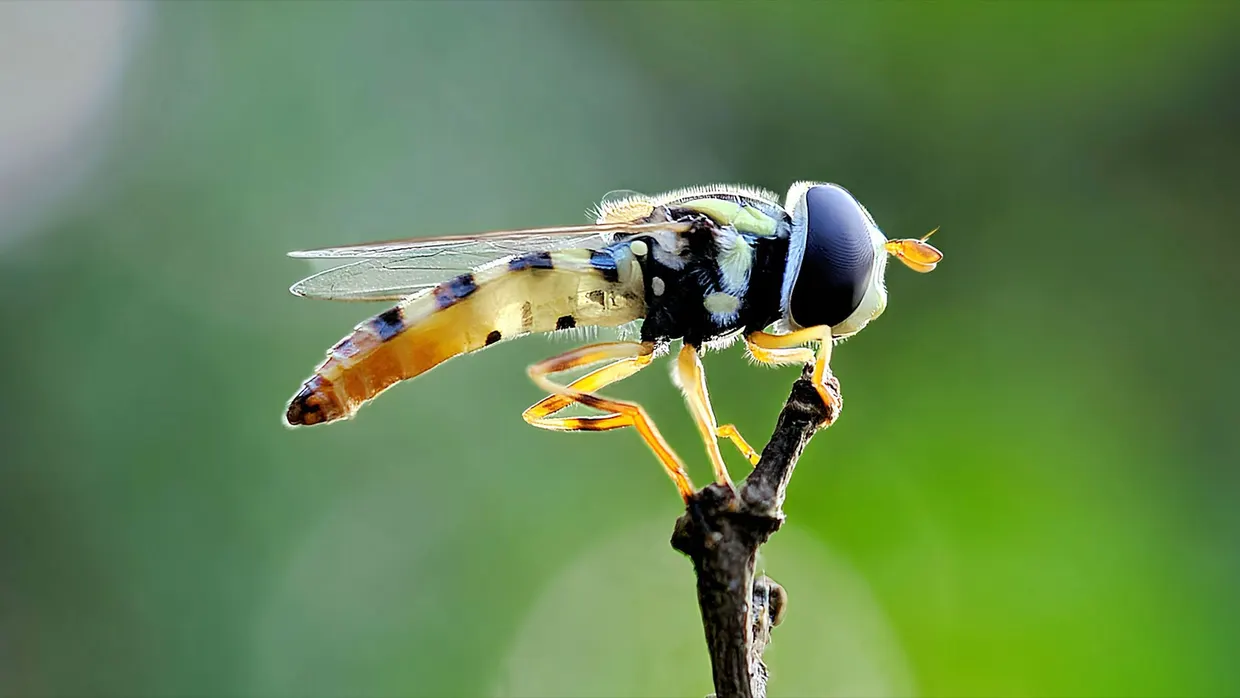
A team led by Carlos Martínez-Núñez of the Doñana Biological Station (CSIC, Seville) analysed more than four million occurrence records of bees and hoverflies collected across Europe between 1921 and 2020. The dataset covers 88% of the continent's extant species, 1,898 bee and 784 hoverfly species, according to the paper in Proceedings of the National Academy of Sciences pnas.org
Proceedings of the National Academy of Sciencespnas.orgOpen source ↗. The records come from museum collections, expert collections, publications and online databases, and each was checked by taxonomists.
Species persist, richness changes are modest
Modern records exist for 87% of bee species and 89% of hoverfly species. The IUCN European Red Lists name only 14 bee species and one hoverfly species as possibly extinct.
Regional changes in species richness were modest. Both groups declined in the Atlantic and Continental regions, bees increased recently in the Alpine region, and richness remained largely stable elsewhere.
Occupancy: most bee species are declining
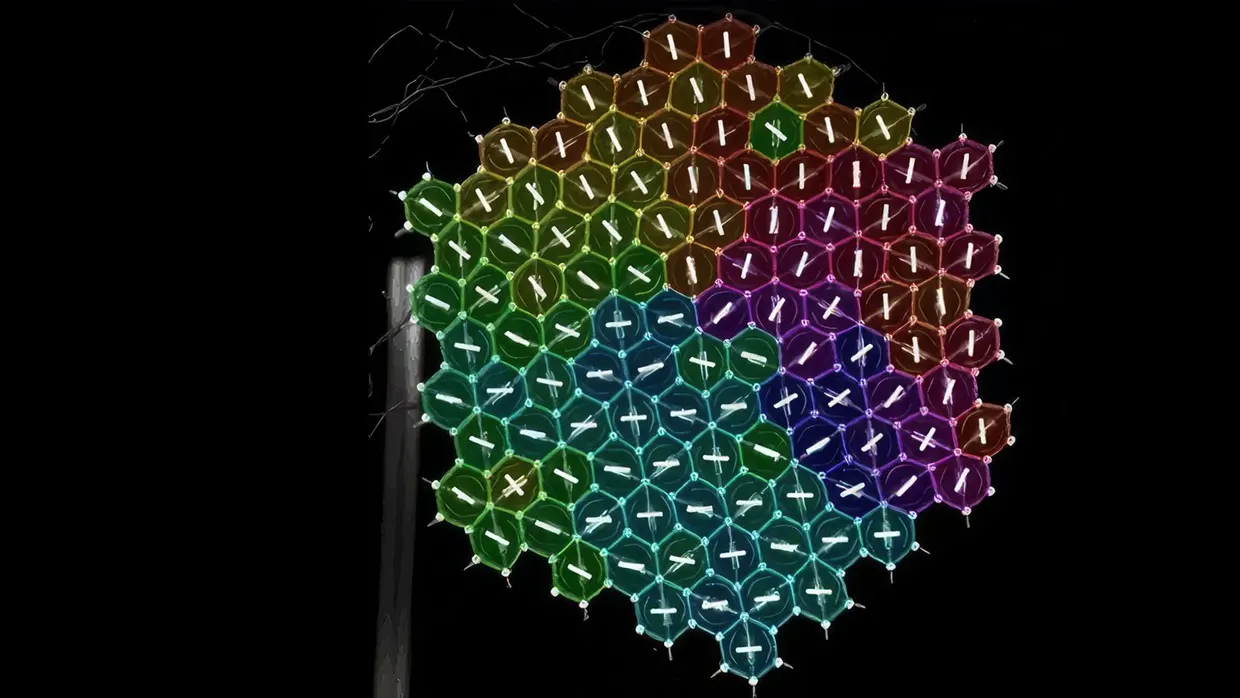
To estimate trends, the team divided Europe into hexagonal cells with sides of about 50 kilometres. For each species and year, the models estimated which cells were occupied and how likely the species was to be recorded at all.
At the species level, most bee species and about half of hoverfly species declined in occupancy pnas.org
Proceedings of the National Academy of Sciencespnas.orgOpen source ↗. Averaged across Europe, bee occupancy fell by 0.42% a year, or 34% over the century. For hoverflies, expanding and contracting species were roughly balanced, and the continental average rose. That rise came mostly from a few species with large gains and from early decades with thin records; when the analysis started in 1971, it flattened to no change.
Body size, diet, social habits and climate preference together explained less than 1% of the variation in trends. There was a weak tendency for cold-adapted bees, bumblebees among them, to decline more steeply than warm-adapted ones. Genera with some of the steepest declines include parasitic and dietary specialists, but neither trait significantly predicted occupancy trends.
Limits of the data
Occupancy shows where a species is found, not how many individuals live there. Records are sparse in the first half of the period, and some regions have thin coverage. The models worked for 1,225 of roughly 1,940 species with enough records.
The authors describe the declines as clear warning signs, with potential for recovery if action is taken urgently pnas.org
Proceedings of the National Academy of Sciencespnas.orgOpen source ↗. Martínez-Núñez named keeping hedgerows, field margins and flower-rich habitats, and linking urban green spaces planted with native species.