University of Georgia: fire ant supergene of 500+ genes tied to larger body size and queen status
Fire ants carrying a supergene of more than 500 genes were more common among the largest workers and queens, according to a University of Georgia study.
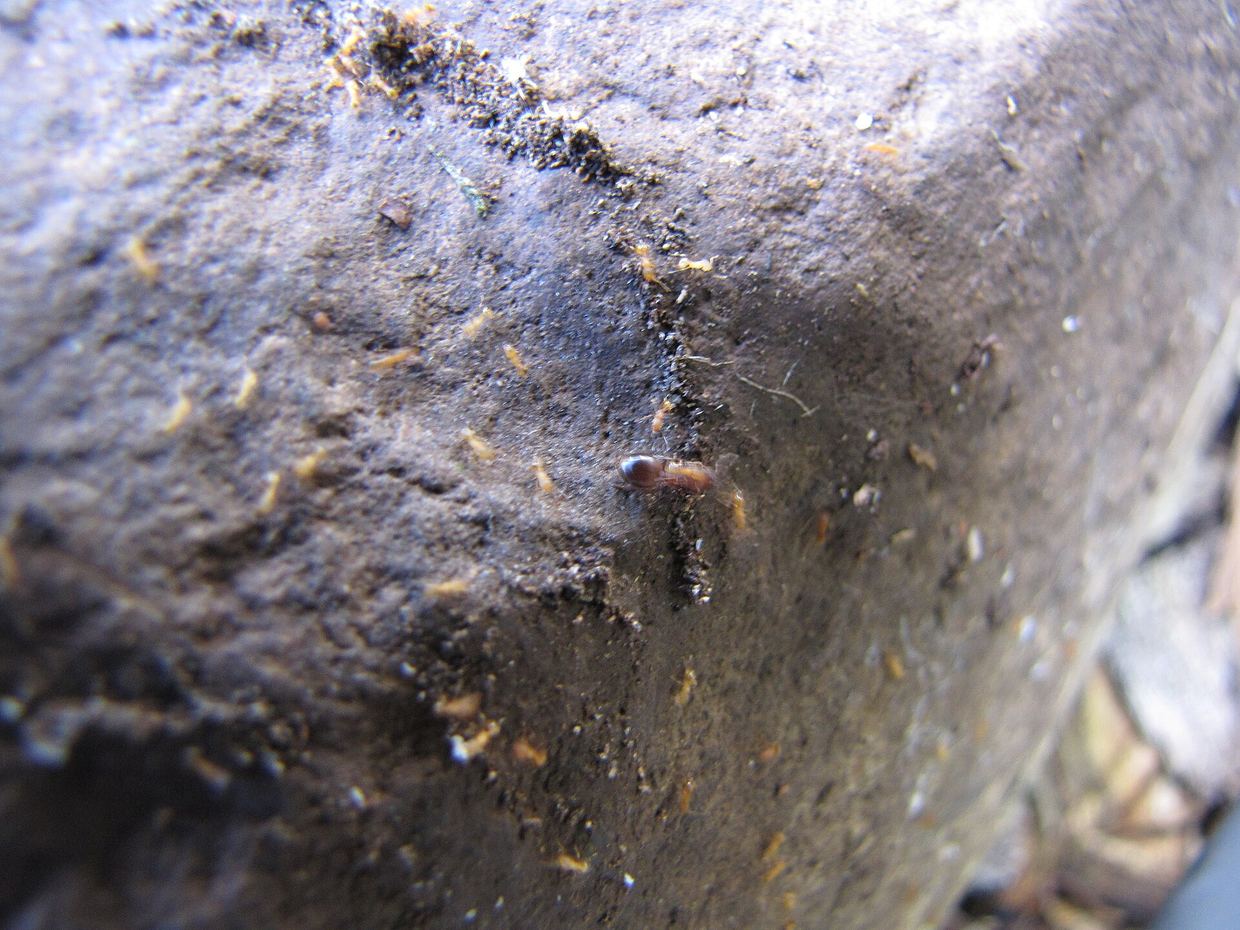
Researchers at the University of Georgia (UGA) report that a group of genes gives some fire ants an advantage in growing larger and potentially becoming queens, according to a release published on newswise.com. The study appeared in Proceedings of the Royal Society B. newswise.com
newswise.comnewswise.comOpen source ↗
Some fire ant colonies have a single egg-laying queen, while others have several. Colony organization is linked to a supergene, a set of genes inherited together as a package. In fire ants this supergene contains more than 500 genes and is associated with colonies that have multiple queens. newswise.com
newswise.comnewswise.comOpen source ↗
Entomologists Brendan Hunt and Haolin "Horace" Zeng wanted to know whether the same supergene affects how individual ants grow. Nutrition, environmental conditions and interactions with other ants were already known to help determine whether a developing ant becomes a worker or a queen. newswise.com
newswise.comnewswise.comOpen source ↗
Juvenile hormone experiment
The team studied developing fire ants with and without the supergene. They focused on juvenile hormone, which helps control insect development. Fire ants can reach a larger size by spending more time feeding as larvae before adulthood. newswise.com
newswise.comnewswise.comOpen source ↗
The researchers treated developing ants with methoprene, a chemical that mimics juvenile hormone. Treated ants grew larger. Both groups responded similarly and could reach the same overall size range. newswise.com
newswise.comnewswise.comOpen source ↗
Supergene carriers among the largest ants
Ants carrying the supergene were nonetheless consistently more common among the largest individuals. According to Hunt, about half of the smallest workers carried the supergene. The share rose to roughly 65% among the largest workers and to 75–83% among queens. newswise.com
newswise.comnewswise.comOpen source ↗
Body size is important in determining whether an ant becomes a worker or a queen. The researchers therefore believe the size advantage could raise a carrier's chances of becoming a reproductive queen. Such a gene is sometimes called a "selfish genetic element." newswise.com
newswise.comnewswise.comOpen source ↗
Open questions
The mechanism by which the supergene influences development is not yet known. One possibility is that carriers spend more time growing as larvae. Another is that they use nutrients more efficiently at the larval stage. The team has also identified a gene that could help explain the difference. newswise.com
newswise.comnewswise.comOpen source ↗
Zeng described the project as a first step toward studying how the supergene affects development and physiology. Hunt said the work opens the way to examining how genes, hormones and an ant's environment together determine its future. newswise.com
newswise.comnewswise.comOpen source ↗
Sources · 1
Found a mistake?Read also