Oxford GPS data on Manx shearwaters show Sun compass errors akin to jet lag on eastward flights
Over 3,688 round trips, Manx shearwaters returning east drifted clockwise by about 7° on average, consistent with a lag between the internal clock and local solar time.
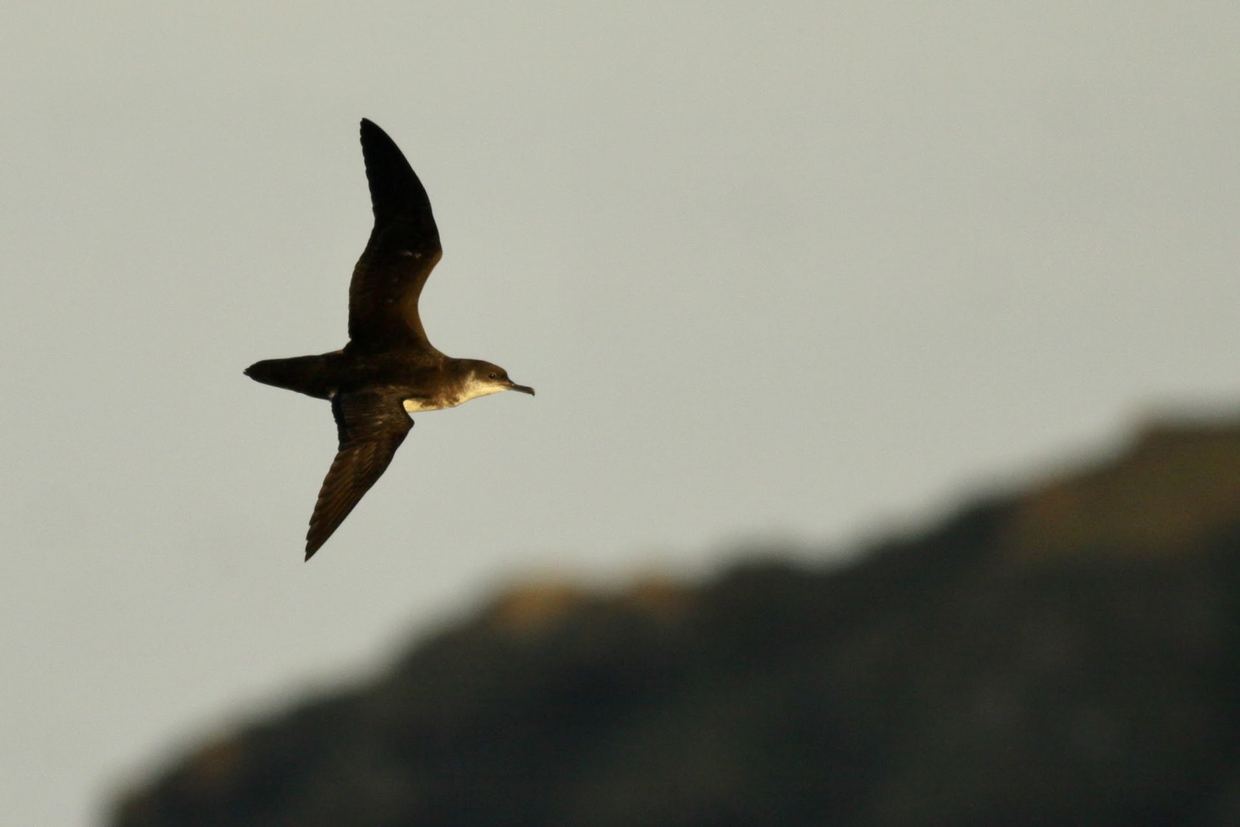
A team from the University of Oxford analysed GPS tracks of Manx shearwaters (Puffinus puffinus) and found that the birds make predictable orientation errors on homing flights. The study, published in Science, rests on twenty years of tracking of more than 1,000 birds, a total of 3,688 round trips west and back doi.org
Sciencedoi.orgOpen source ↗. The authors link the errors to a mismatch between the birds' endogenous clock and local time
doi.org
Sciencedoi.orgOpen source ↗.
Sun compass and internal clock
Many animals use a Sun compass to guide their movement, sometimes over thousands of kilometers doi.org
Sciencedoi.orgOpen source ↗. Consistent use of it requires the endogenous clock to track the Sun's arc across the sky
doi.org
Sciencedoi.orgOpen source ↗. Manx shearwaters migrate up to 20,000 km a year, and on foraging trips they cover hundreds or even thousands of kilometers.
The birds breed on the west coast of the United Kingdom and Ireland and fly west to feed. To choose a direction they combine the Sun's position with an internal clock that, according to the study's description, is reset every morning at dawn. On the way home the birds fly east, through areas where the Sun rose earlier, so the clock may fall behind by up to one hour.
What the tracks show
The tracks confirmed that the birds deviate from the expected path, and the deviations match the differences in the Sun's position doi.org
Sciencedoi.orgOpen source ↗. When flying east to the nest, they tend to drift clockwise from the correct direction, which is the error expected from birds navigating by the Sun
doi.org
Sciencedoi.orgOpen source ↗. The deviations never exceeded 15°, and the average was about 7°. On a 1,000 km route this adds only about 5 km. The birds continuously correct their trajectory and compensate for the errors.
The deviations also occurred when the birds followed the coast, where other landmarks are available. The authors conclude that the Sun compass stays in use even when compass-independent cues are accessible doi.org
Sciencedoi.orgOpen source ↗. The numbers do not support the alternative explanation that the errors arise from changes in the Earth's magnetic field.
The authors suggest that rapid longitudinal movements may affect other processes governed by the endogenous clock, and that conserved chronobiological mechanisms impose substantial constraints on navigation doi.org
Sciencedoi.orgOpen source ↗. Whether birds experience the physiological effects of jet lag, as humans do, has not been established and requires further study.
Sources · 2
Found a mistake?Read also