Johns Hopkins trial: unsupported arm overstates systolic blood pressure by 6.5 mmHg in 133 adults
In the ARMS randomized trial, a hanging arm or a hand on the knees gave higher readings than an arm on a table at heart level. The authors say this can suggest false hypertension.
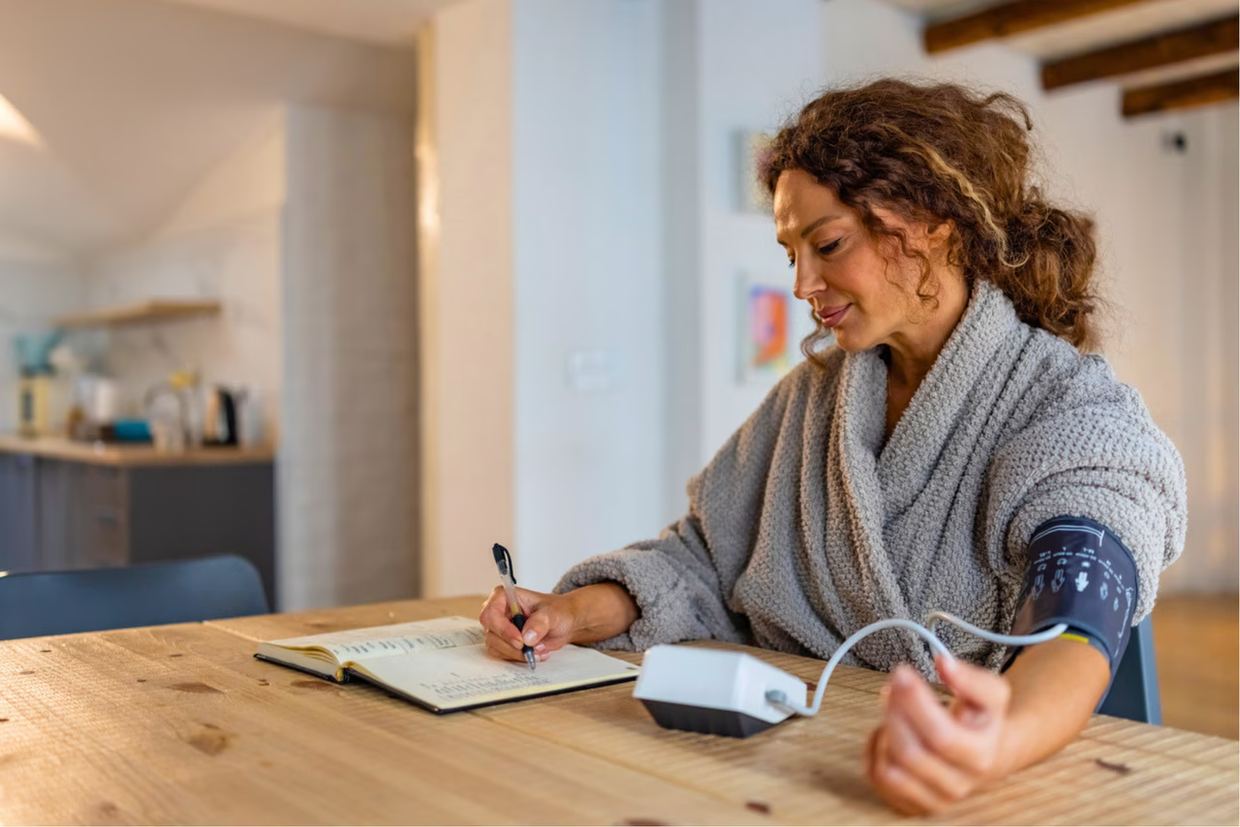
Researchers at Johns Hopkins tested how arm position affects blood pressure readings in 133 adults aged 18 to 80. Participants placed the arm on a table, rested the hand on the knees, or let the arm hang along the body. The positions were tested in random order, with several readings taken in each. The results of the ARMS trial were published in JAMA Internal Medicine, according to Futura Sciences. futura-sciences.com
Futura Sciencesfutura-sciences.comOpen source ↗
Size of the measurement error
The reference position was the arm supported on a table with the cuff at heart level. Against it, resting the hand on the knees overestimated blood pressure on average by 3.9 mmHg for systolic and 4 mmHg for diastolic. With the arm hanging unsupported, the average overestimates were 6.5 mmHg for systolic and 4.4 mmHg for diastolic. futura-sciences.com
Futura Sciencesfutura-sciences.comOpen source ↗ Systolic is the first number displayed, diastolic the second.
The authors explain the gap as follows: a cuff located below the heart is subject to a stronger effect of gravity on blood pressure. Without support, muscle contractions can also raise pressure temporarily. futura-sciences.com
Futura Sciencesfutura-sciences.comOpen source ↗
According to the authors, such errors can suggest hypertension where there is none and lead to unnecessary treatment. Tammy Brady, senior author of the study, said in the Johns Hopkins press release that arm position makes an "enormous difference". The study did not check whether these measurement errors actually led to wrong diagnoses. futura-sciences.com
Futura Sciencesfutura-sciences.comOpen source ↗
Recommended setup for home measurement
For self-measurement, the French national health insurance (Assurance Maladie) recommends sitting quietly for three to five minutes with the back supported, feet flat and legs uncrossed. The bare, relaxed arm rests on a table with the middle of the cuff at heart level, without moving or talking. futura-sciences.com
Futura Sciencesfutura-sciences.comOpen source ↗
Following the doctor's instructions, the "rule of three" applies: three measurements one to two minutes apart, morning and evening, for three days. The results are passed to the doctor, who interprets their average. futura-sciences.com
Futura Sciencesfutura-sciences.comOpen source ↗