E(var)3–9 protein in Drosophila ovaries represses telomeric retrotransposons, mutant embryos die
In Drosophila ovaries, E(var)3–9 represses telomeric retrotransposons and supports large heterochromatic genes; without it, embryos of mutant mothers die.
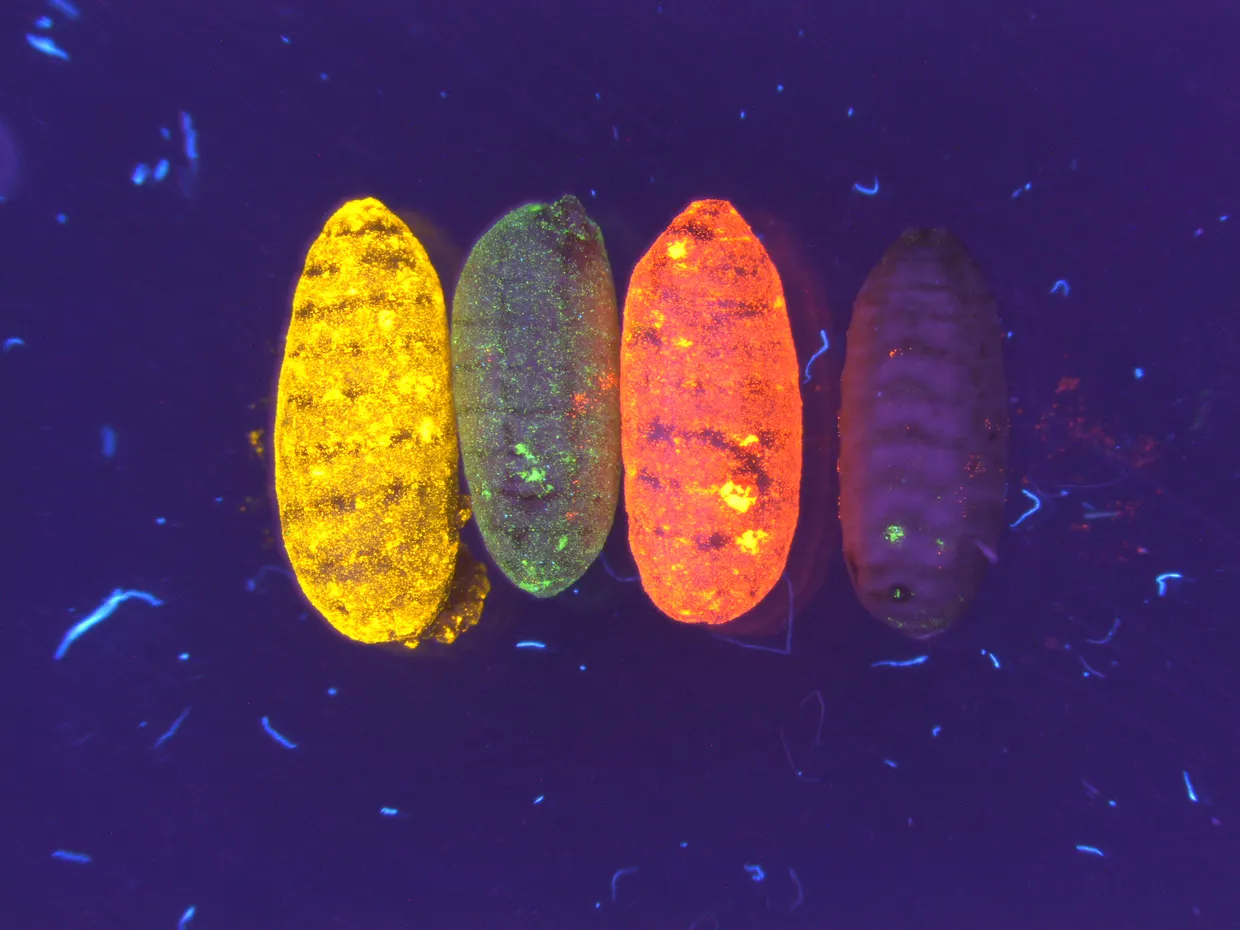
A team led by Alla Kalmykova and colleagues studied the zinc-finger chromatin protein Enhancer of variegation 3–9, E(var)3–9, in Drosophila ovaries. According to the paper in Epigenetics & Chromatin (doi.org/10.1186/s13072-026-00712-y), the protein represses telomeric retrotransposons and promotes transcription of large protein-coding genes embedded in heterochromatin biomedcentral.com
doi.orgbiomedcentral.comOpen source ↗. The work was done in fruit flies, using a newly generated, presumably null mutation.
Heterochromatin is not a uniformly repressive and compact region: genes and repeats within it are transcribed. E(var)3–9 is little studied and promotes expression of genes placed in the heterochromatin environment. Its mutations cause female sterility, which suggests a role in oogenesis and early embryogenesis.
Localization and gene expression
In the ovaries, E(var)3–9 is enriched in heterochromatic regions of the nurse cells, including a heterochromatic domain associated with the fourth chromosome and clustered telomeres. Chromatin immunoprecipitation and sequencing (ChIP-seq) showed that the protein is abundant in the main heterochromatic regions, which are also enriched in trimethylated histone H3 at lysine 9 (H3K9me3).
Chromatin-associated RNA sequencing of mutant ovaries, compared with wild type, showed specific upregulation of telomeric retrotransposons and downregulation of the large protein-coding genes embedded within heterochromatin biomedcentral.com
doi.orgbiomedcentral.comOpen source ↗. Chromatin-associated and small RNA sequencing also suggested that the mutations do not affect the piRNA pathway.
Consequences for embryos
Fluorescent in situ RNA hybridization showed that HeT-A transcripts in the mutants are mostly associated with the Telomere CLuster (TCL). Overexpression of HeT-A in mutant ovaries led to aggregation of HeT-A RNA and HeT-A Gag protein around the centrosomes of early embryos, with severe abnormalities in the distribution of Polo kinase. Embryos from mutant mothers showed mitotic defects and chromosome mis-segregation, resulting in embryonic lethality.
The authors describe a dual regulation against harmful overexpression of telomeric retrotransposons. Telomeres that are not clustered and lie in euchromatin are controlled by the RNA-binding protein Ars2 and the piRNA pathway, whereas retrotransposon expression in the heterochromatic TCL is downregulated by E(var)3–9.