Titanium-doped chromium nitride film gains 250x power factor; generator prototype tested
Japanese researchers added titanium to chromium nitride and made a thin film that can be produced at room temperature. A glass-based generator prototype delivered 455.8 nW.
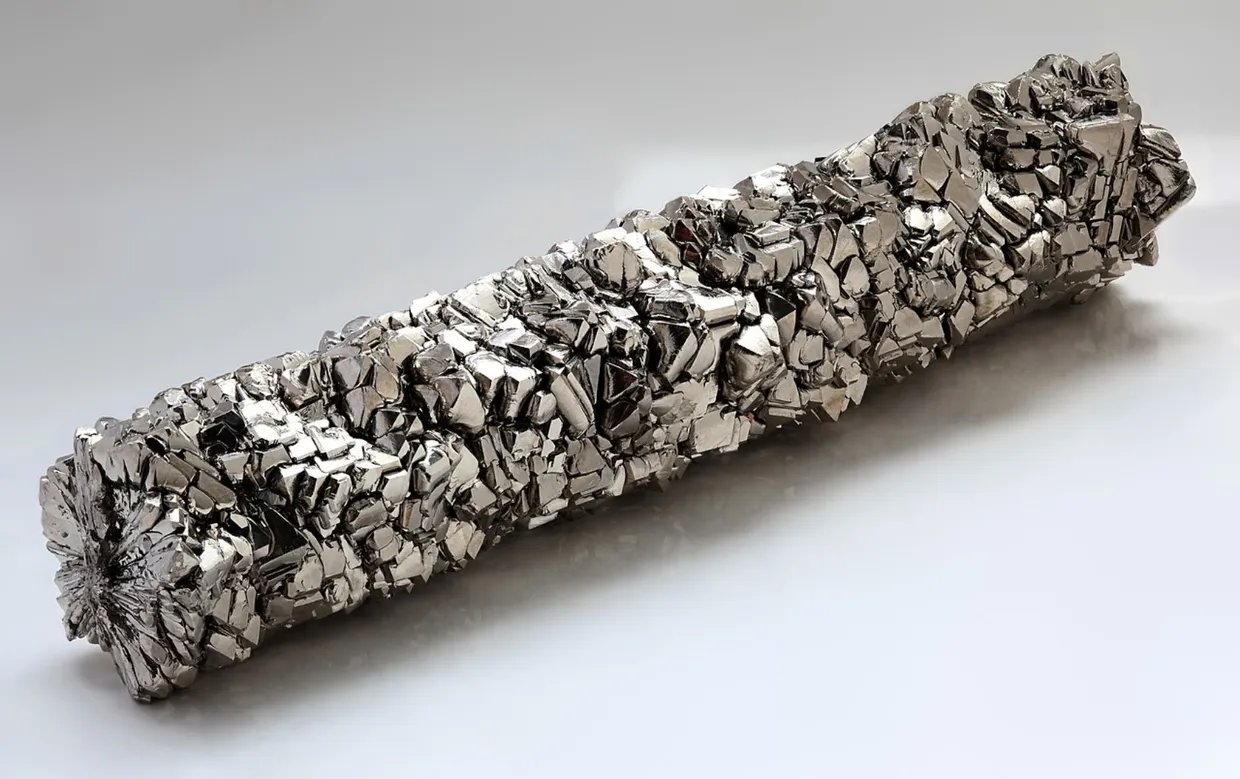
Japanese researchers have raised the thermoelectric power factor of chromium nitride about 250 times compared with the pure compound by adding a small amount of titanium, chip.pl reports. From the resulting thin film they also built a prototype thermoelectric generator on a glass substrate. At a temperature difference of 96 kelvin, the device reached a maximum power of 455.8 nanowatts. chip.pl
chip.plchip.plOpen source ↗
Why chromium nitride was held back
Chromium nitride has long attracted interest for its thermoelectric properties. Its practical use was limited by problems with the production process and the crystal structure.
The approach is based on the Seebeck effect, in which an electric voltage appears in a material that has a temperature difference across it. A suitably designed material can therefore convert heat directly into electricity.
Thin-film thermoelectric materials are of particular interest because they can be integrated directly into small electronic devices. The problem was that many high-performance materials require complex production at high temperatures. This limited their use on heat-sensitive substrates, including some flexible electronic components. chip.pl
chip.plchip.plOpen source ↗
Titanium and nitrogen vacancies
The researchers added a small amount of titanium to chromium nitride. Titanium binds nitrogen more strongly than chromium does, which helps limit nitrogen vacancies, the sites in the crystal lattice where nitrogen atoms are missing. Such defects impair electron transport and lower the thermoelectric properties of the material.
Reducing the vacancies allowed the team to improve electron mobility while controlling the concentration of charge carriers. The power factor of the film reached a value about 250 times higher than that of pure chromium nitride.
The prototype generator was built on the developed thin film and tested at a 96 K temperature difference, giving 455.8 nW of maximum power. According to the material, the results are comparable to those of advanced thermoelectric materials whose production requires much higher temperatures. The titanium-doped chromium nitride can be produced at room temperature. chip.pl
chip.plchip.plOpen source ↗
The study was published in Journal of Materials Chemistry A. The technology is described as having potential for recovering energy that would otherwise be wasted, including in electronics and vehicles.