Archaeologist Schultrich links Neolithic stone axes, coarse pottery and tombs across Europe
A Kiel University study in Germania compares double axes, coarse ware and collective burials from France to Denmark, suggesting the Rhine may have been a zone of contact rather than a border.
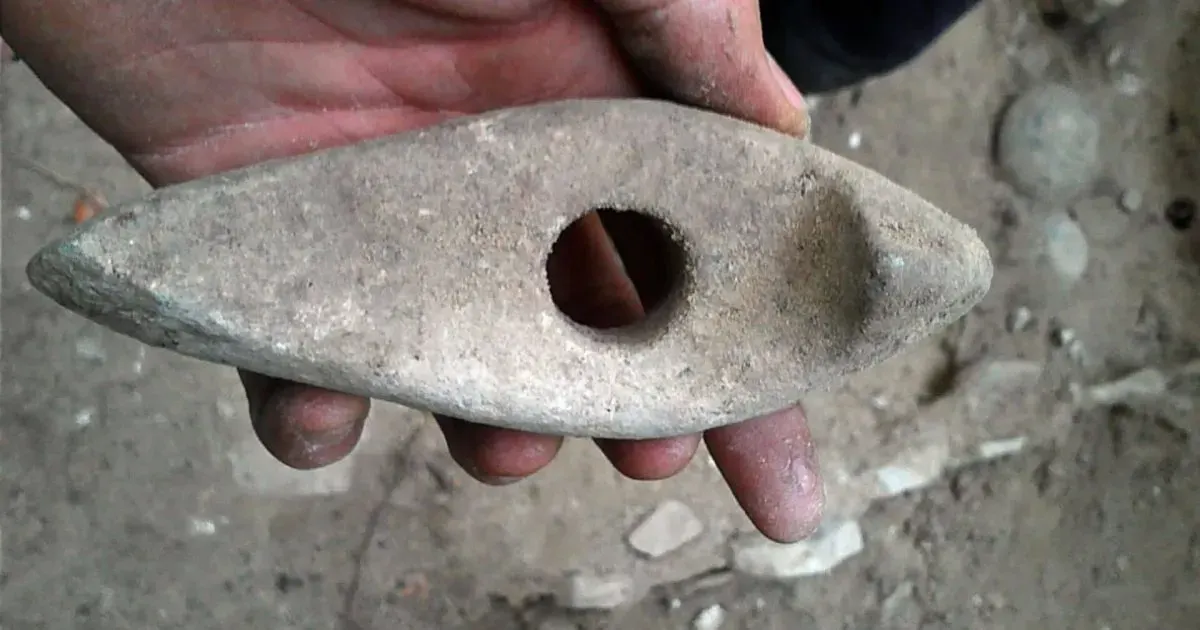
Archaeologist Sebastian Schultrich of Kiel University in Germany, a researcher at the ROOTS Cluster of Excellence, has published a study in the journal Germania on Neolithic finds from France, Germany, the Alps and northern Europe, according to Muy Interesante. The material dates to about 5,000 years ago, when agricultural and pastoral communities lived across much of Europe. muyinteresante.okdiario.com
Muy Interesantemuyinteresante.okdiario.comOpen source ↗
For decades, specialists treated the Rhine as a major cultural border between western and central Europe, because objects found on either side differed enough to define separate archaeological traditions. Schultrich proposes that this view may have hidden contacts that lasted for centuries. He combines three kinds of evidence usually studied separately: stone axes, ceramic vessels and collective burials.
Double axes and coarse ware
One focus is the so-called double axes: carefully worked stone pieces with a perforation for the haft and two opposite ends. They appear from France to Denmark, including Germany and Switzerland. They are not identical in size, proportions or finish, but share features of a wide-ranging technological and symbolic tradition.
The French axes had long been hard to compare with central European ones because of disputed dating. Schultrich reviews them and places some within the same period, between the end of the 4th and the start of the 3rd millennium BC. Some axes were found fragmented in burials and others in rivers and wetlands, which suggests their significance was not only practical. muyinteresante.okdiario.com
Muy Interesantemuyinteresante.okdiario.comOpen source ↗
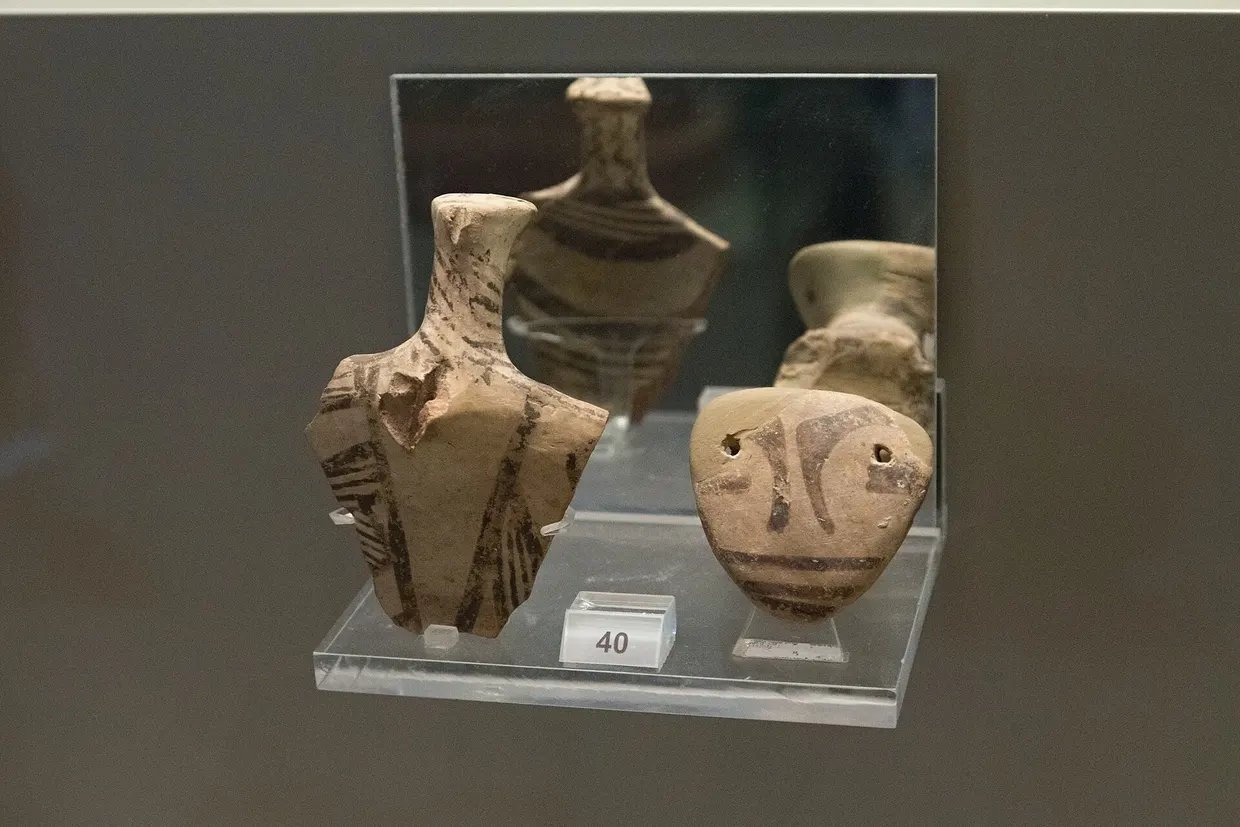
Much of the argument rests on coarse ware: simple vessels with rough surfaces, little decoration and, in some cases, small perforations near the rim. Similar pottery occurs in France, the Alpine region, Germany and Denmark. Schultrich suggests this did not result from a consciously spread fashion, but from continued contact, movement of people and everyday transmission of know-how between potters.
Collective tombs and limits of the study
The third line of evidence is funerary. In the 4th millennium BC, several European regions developed collective burial traditions, including passage graves and gallery graves. Their architecture varied, but they shared the prolonged use of burial spaces. Some show manipulation and rearrangement of human remains. Schultrich reads this as shared funerary ideas adapted to local customs.
Instead of a single civilization, he describes a decentralized network of communities exchanging knowledge. The study does not show that all these groups were directly related, nor does it reconstruct specific movements. It presents no new excavation and instead reexamines known material from a different perspective. muyinteresante.okdiario.com
Muy Interesantemuyinteresante.okdiario.comOpen source ↗