Gut and oral microbiome differ with psychopathic traits in a 200-person study
Volunteers with high and low psychopathy-test scores showed different gut and oral bacteria, but no evidence links any food to cruelty.
Gut and oral microbiota composition may be associated with personality traits such as emotional coldness, impulsivity and low empathy, according to cursorinfo.co.il, which cites IFLScience and a paper in Translational Psychiatry. The experiment involved 200 volunteers, and specialists recorded clear biological differences between people with high and low scores on a psychopathic-traits test. cursorinfo.co.il
cursorinfo.co.ilcursorinfo.co.ilOpen source ↗ At the same time, there is currently no direct evidence that a particular food can make a person cruel.
Study design and findings
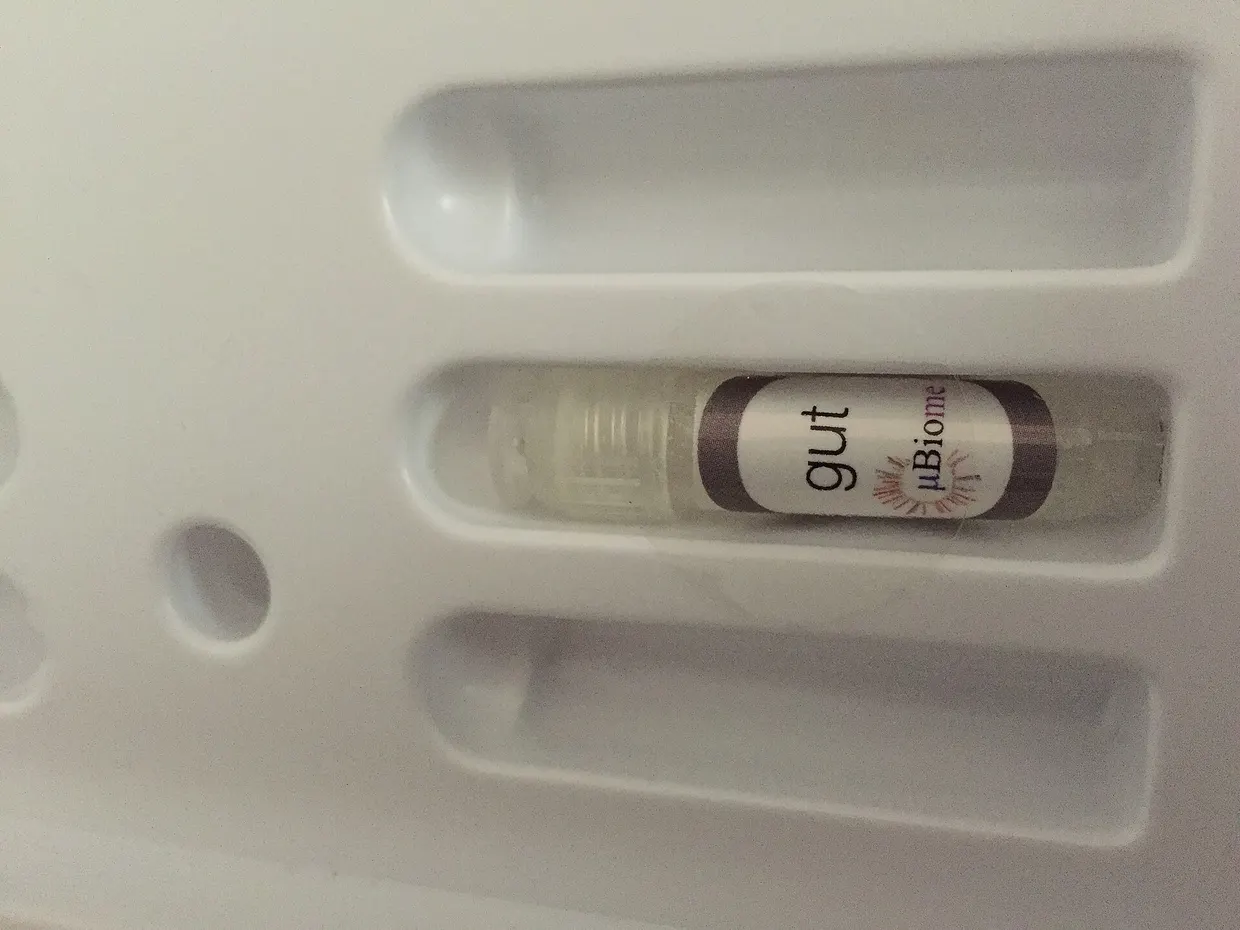
Participants underwent comprehensive psychological testing aimed at identifying a tendency to violate social norms, emotional detachment, impulsivity and anxiety. Blood, saliva and stool samples were then collected to compare each person's behavioural profile with the species composition of their microorganisms and with metabolic products.
In people with pronounced psychopathic traits, three bacterial species were found in the gut significantly more often: Allisonella, Prevotella and Cloacibacillus evryensis. Their samples also showed elevated concentrations of glucose and taurine.
In the oral cavity the picture was the opposite: the bacterium Treponema vincentii was found much more often in participants with the lowest scores on the psychopathic-traits scale. The authors note that this is the first study to record such a relationship in the gut and oral microbiome at the same time. cursorinfo.co.il
cursorinfo.co.ilcursorinfo.co.ilOpen source ↗
Limits of the conclusions
Although microbiota depends directly on diet and lifestyle, the researchers caution against hasty conclusions about a "menu for a psychopath". They did not establish that specific foods can cause these bacteria to grow and thereby shift a person's character toward aggression or callousness.
The specialists also allow a reverse causal link: certain personality traits and a level of impulsivity may themselves shape particular eating habits, which in turn change the body's internal ecosystem.
The testing assessed only individual behavioural tendencies in ordinary volunteers and did not constitute a clinical medical diagnosis. For this reason, psychopathy cannot be diagnosed from microbiome analysis. cursorinfo.co.il
cursorinfo.co.ilcursorinfo.co.ilOpen source ↗