Alaska's Brooks Range: 75 streams turned orange with iron and metals, and fish numbers fell
Authors report that 75 streams in northern Alaska shifted from clear to orange within about 10 years, with lower pH, more metals and fewer fish. Permafrost thaw is the likely cause.
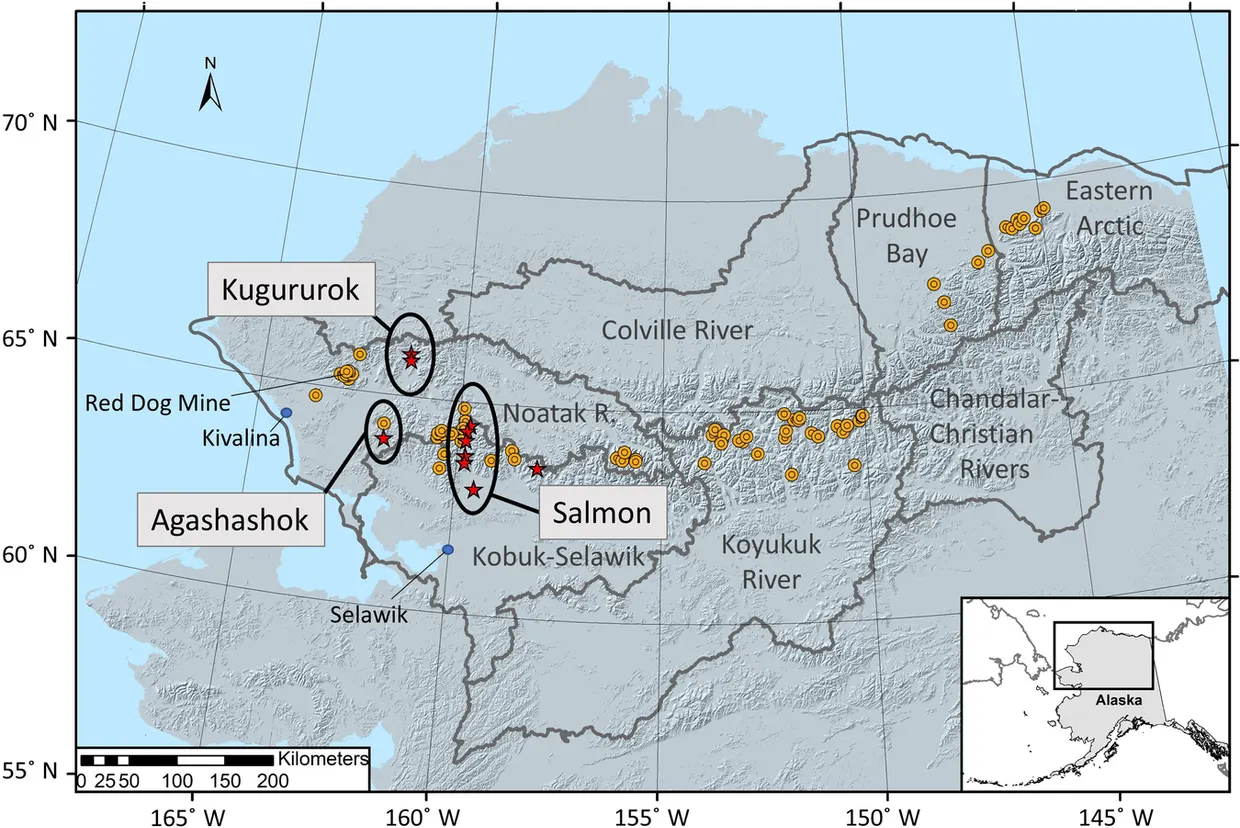
A research team has documented 75 streams in Alaska's Brooks Range that recently changed from clear to orange, according to a study published on nature.com nature.com
nature.comnature.comOpen source ↗. The color reflects increased loading of iron and toxic metals. Using remote sensing, the authors place the discoloration within the last 10 years, and for a subset of streams they constrain it to the last 5–10 years.
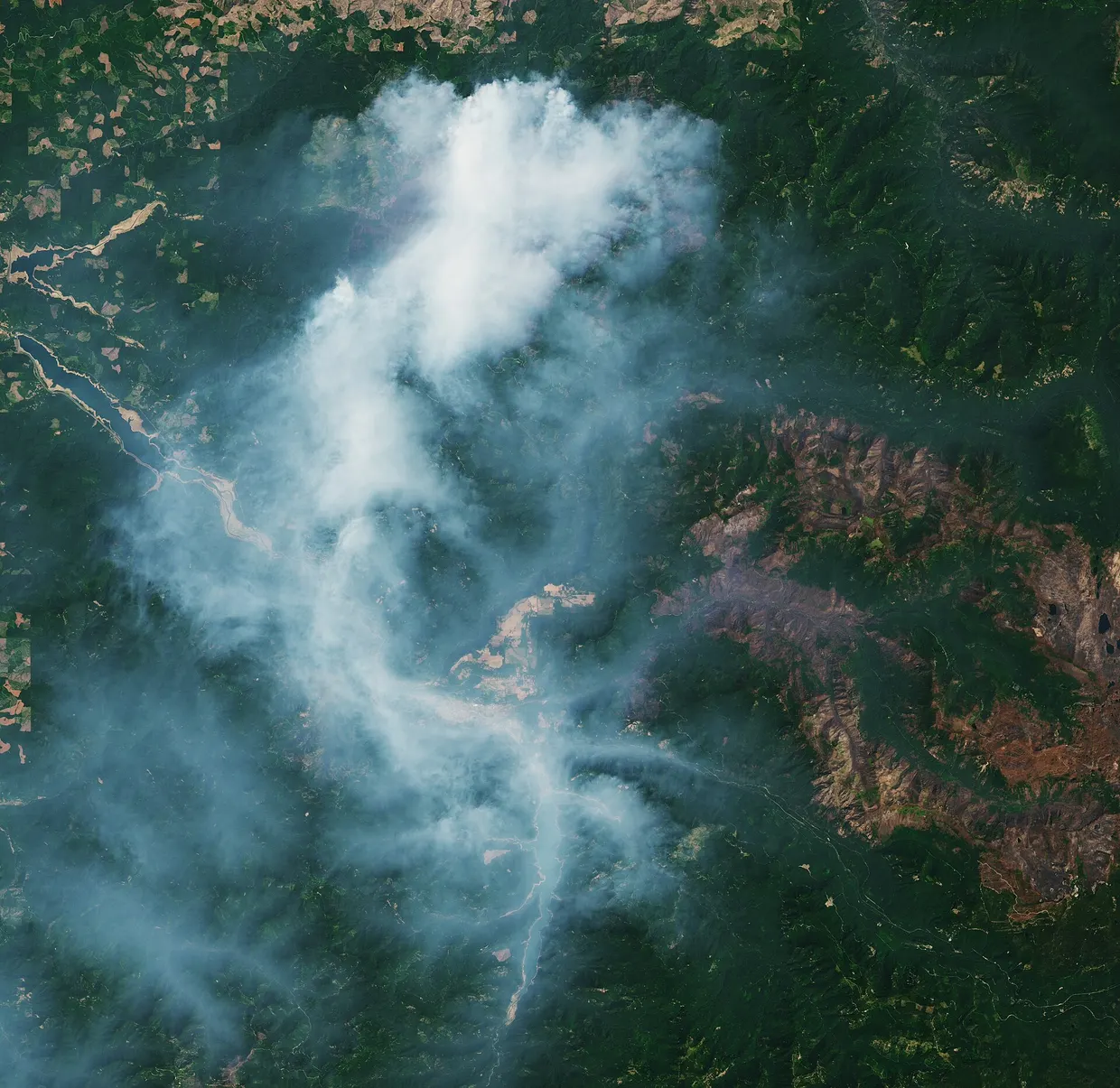
The list of streams was built from crowd-sourced observations by federal and state scientists, academic researchers, local pilots, wilderness guides, recreationists, and rural and Indigenous communities. The authors checked these reports against satellite and aerial imagery.
Where and when the streams changed
Orange streams occur across much of northern Alaska, including the Noatak, Kobuk and Koyukuk river basins, public lands, designated wilderness, and the watersheds of several National Wild and Scenic Rivers: the Alatna, John, Koyukuk, Tinayguk and Salmon. The period of discoloration coincides with rapid warming and increased snowfall. The authors therefore suggest that permafrost thaw is the likely cause.
Thawing permafrost can foster chemical weathering of minerals, microbial reduction of soil iron, and groundwater transport of metals to streams. Reduced iron, Fe(II), released from thawing ground oxidizes in surface water to Fe(III) particulates, which color the water nature.com
nature.comnature.comOpen source ↗.
Water chemistry and aquatic life
Compared with clear reference streams, the orange streams have lower pH, higher turbidity, and higher concentrations of sulfate, iron and trace metals. According to the authors, this pattern supports sulfide mineral weathering as the primary mobilization process.
Discoloration was associated with sharp declines in macroinvertebrate diversity and fish abundance. The authors state that these findings have considerable implications for drinking water supplies and subsistence fisheries in rural Alaska.
The study is observational. It describes the extent, timing and chemistry of the change and its link to stream biota, and it names permafrost thaw as the likely cause rather than a proven one. The authors say the work could inform further research directions and strategies nature.com
nature.comnature.comOpen source ↗.