Solar generated 13% more electricity than nuclear in the 12 months to September 2026, Ember data show
Ember data analysed by the BBC show solar outproducing all nuclear plants worldwide; a decade ago it supplied just 1% of the world's power.
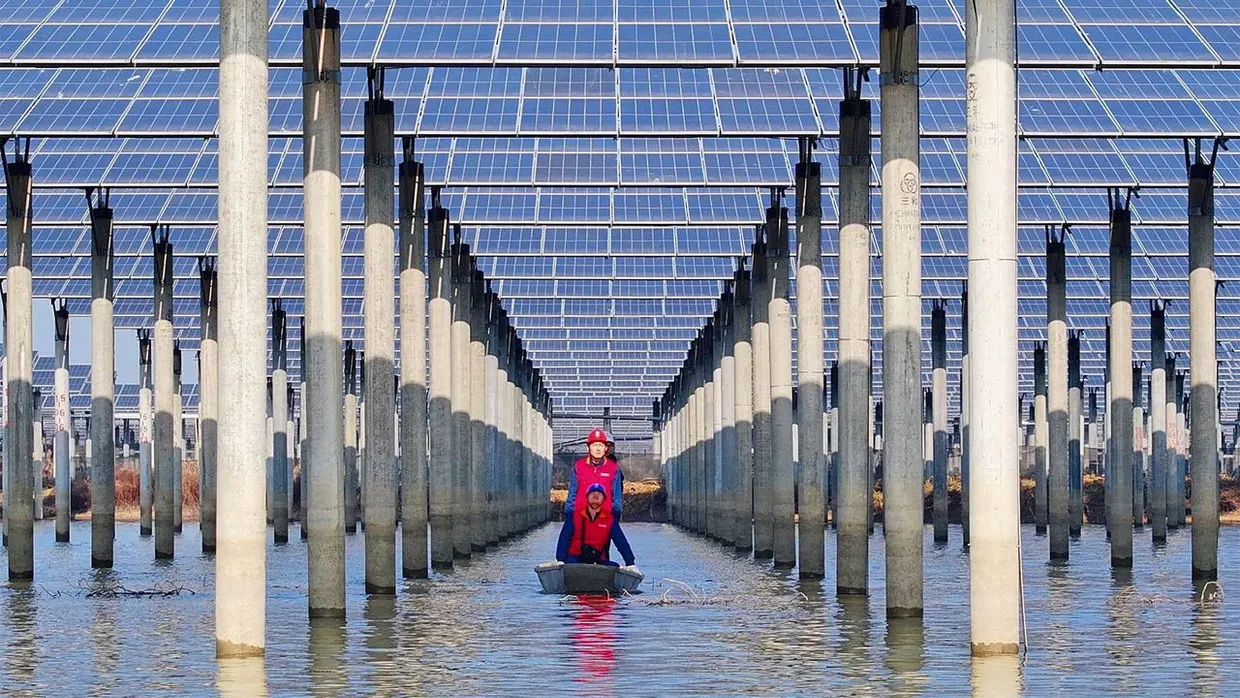
Solar power is crossing a threshold, bbc.com reports. A decade ago it provided just 1% of the world's electricity, and in 2026 its share will almost certainly reach 10%, overtaking nuclear power bbc.com
bbc.combbc.comOpen source ↗. According to Ember, a UK-based energy think tank, solar generation narrowly passed nuclear in 2025. BBC analysis of Ember data for the 12 months up to September 2026 shows solar producing 13% more electricity than nuclear.
Growth and falling costs
In 2025 solar met three-quarters of the growth in the world's electricity demand, ahead of wind power. Nuclear generation has stayed more or less constant since 2000, while solar generation has increased some 2,700-fold. Jan Rosenow, professor of energy and climate policy at the University of Oxford, said mainstream projections, including outlooks from the International Energy Agency, assumed linear growth and slowly falling costs, and got both wrong.
Solar became the cheapest electricity in history in 2020. Since then the technology has scaled, efficiency has risen, and the amount of silicon and silver used in panels has gone down, according to Dave Jones, co-founder of Ember. He said a panel costs well under $100 (£75) and will keep generating electricity for 30 to 40 years without any input. Rosenow attributed record-low module prices to Chinese manufacturing scale and current overcapacity.
Where installations are growing
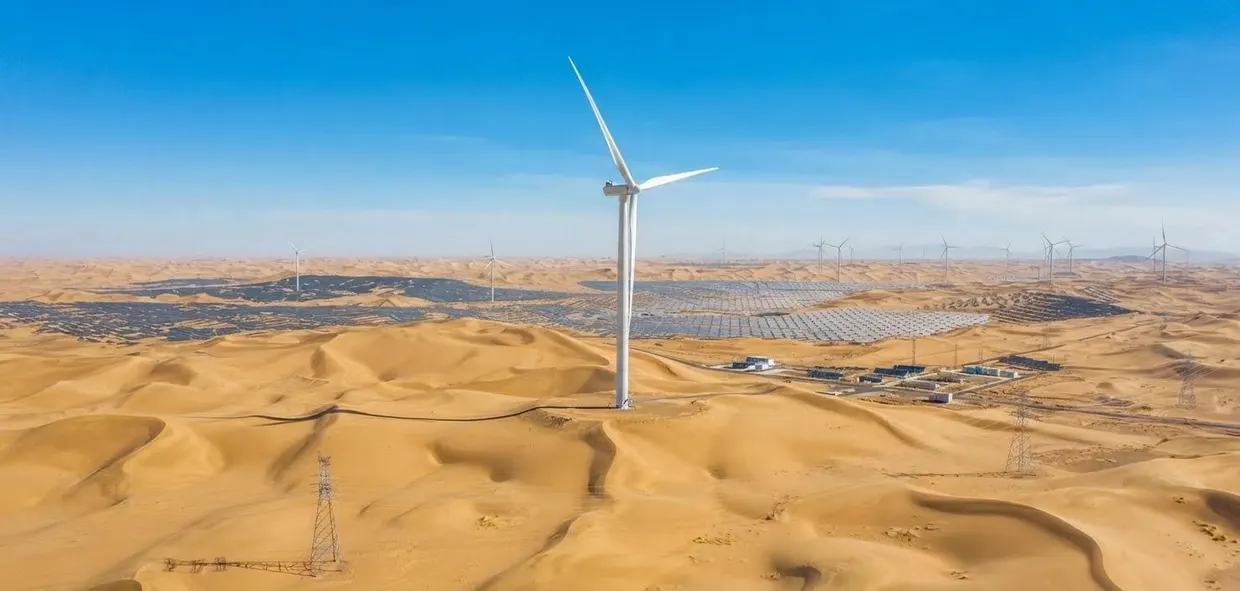
China remains the world's biggest solar power by far, but it is not the only player bbc.com
bbc.combbc.comOpen source ↗. The US is second in installations and has enough solar to power more than one-third of its households. In India, new solar has met 60% of the rise in power demand over the past two years. In Australia, more than four million homes have rooftop solar, well over a third of all households.
Pakistan's solar share rose from less than 2% of electricity in 2019 to 24% now, driven by costly, unreliable grid power and cheap solar imports from China. Across Africa, countries are installing some 100,000 solar panels per day. Rising diesel prices have shifted costs further in favour of solar, especially where home diesel generators are common because grids are unreliable.
Solar can only produce electricity during the day. To make it available at any time, it must be paired with batteries, which have had their own cost reductions.