Dentin of 21 people buried in North Shields links childhood rickets outbreaks to cooling
Durham University researchers compared dentin defects in people of the XVIII–XIX centuries with climate records. Rickets outbreaks often coincided with cooling.
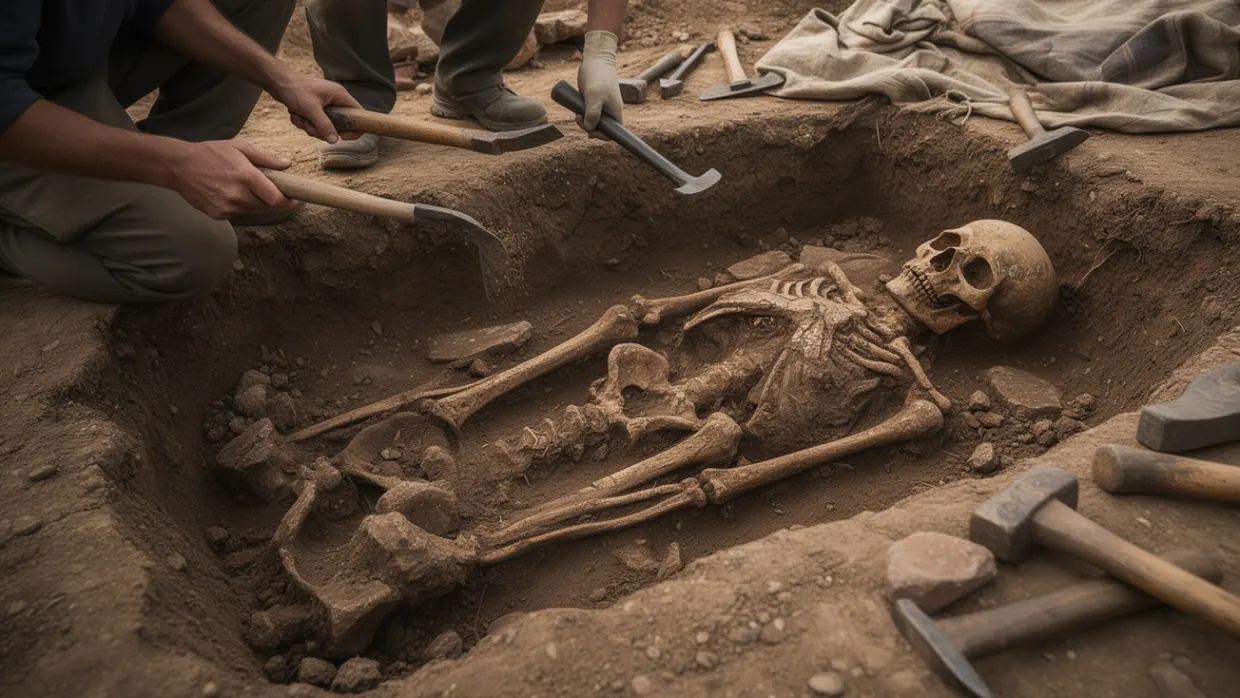
According to pravda.ru, researchers at Durham University analysed the teeth of 21 people buried in an old Quaker cemetery in the English port of North Shields. The remains belong to people who lived in the XVIII–XIX centuries. The study was published in the journal Frontiers in Environmental Archaeology pravda.ru
pravda.rupravda.ruOpen source ↗.
Dentin as a record of childhood
The researchers focused on dentin, the hard tissue of the tooth. If a child lacks vitamin D, dentin does not mineralise on time, and gaps or defects remain in its structure. Teeth grow on a strict biological schedule, so the scientists could determine to within a year when a child had suffered from a shortage of sunlight.
Rickets and climate
It has traditionally been held that rickets in England in the industrial era resulted from poor environmental conditions: factory smoke and dense urban building kept sunlight from reaching people. Dr Ellen Kendall and her colleagues found that surges of the disease often coincided with periods of abnormal cooling. They compared data from church records with a climate chronicle.
The comparison produced two figures. 91 people from the extended group were born within ten years after powerful volcanic eruptions; ash thrown into the stratosphere created a screen that reflected sunlight pravda.ru
pravda.rupravda.ruOpen source ↗. 41 people were born in years when volcanic activity coincided with periods of low solar activity.
Historians call the period from the XIII to the XIX century the Little Ice Age. During it, the planet's overall exposure to ultraviolet light fell noticeably, which, according to the material, led to widespread rickets even in areas where industrial pollution was not yet critical.
The authors note that causes of past diseases were long sought mainly in social factors such as diet and poverty. In their view, understanding how ancestors lived through periods of reduced sunlight and cooling may help modern society prepare for future environmental change and climate shifts. Dr Kendall states that people are both biological and cultural beings, but natural cycles can affect health as strongly as the social environment does.