Mouse study: sour taste suppresses sweet, salty and bitter signals in taste buds via serotonin
Neuroscientists found that mouse taste buds filter mixed flavors before the signal reaches the brain: sour-sensing cells release serotonin that dampens neighboring receptors.
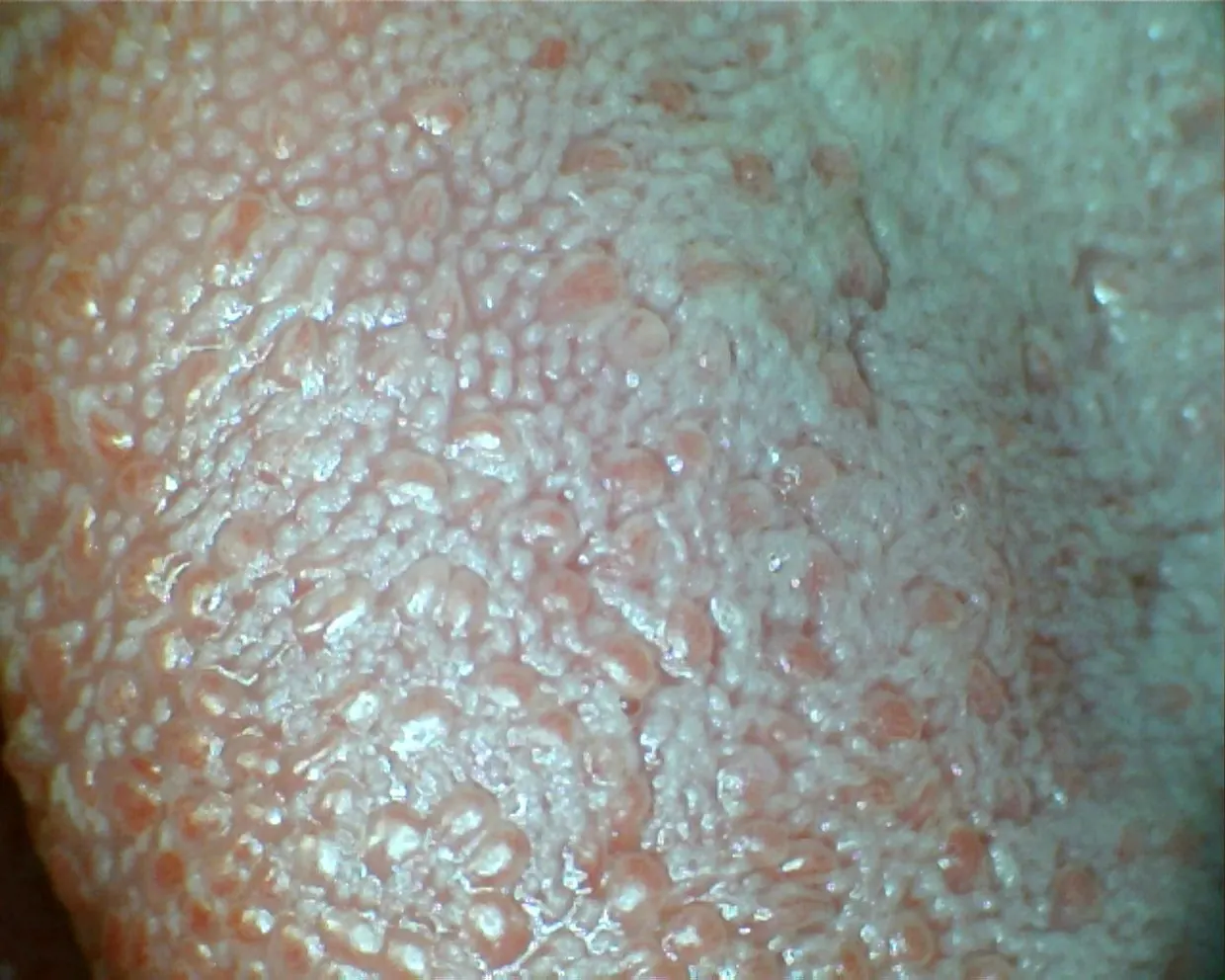
Neuroscientists showed in mice that sour food suppresses signals from sweet, salty and bitter tastes before they reach the brain, Naked Science reports. The results were published in JNeurosci. According to the study, taste receptors on the tongue work as a chemical filter that sorts food into pleasant and unpleasant. naked-science.ru
Naked Sciencenaked-science.ruOpen source ↗
Why taste mixtures matter
Taste perception is traditionally studied in isolation: animals receive pure sugar or a salt solution, and classical theories are built on such experiments. In real life, food rarely has a single flavor. It is usually a complex mixture whose components constantly interact. A familiar example is lemon juice muting excess sweetness in desserts or sauces.
The material describes this as a built-in safeguard against poisoning. In the wild, acid usually marks unripe or spoiling food. A sour signal forcibly dampens sweetness, so the animal is not fooled by residual sugar in a spoiled fruit and spits out the potential poison. Biologists previously believed that acid overrode sweetness at the stage of signal processing in the brain. The new work indicates that taste buds process complex chemical mixtures themselves, and the blocking begins in the mouth.
Calcium imaging and serotonin
The researchers used calcium imaging. Microscopic optical sensors were implanted in the nerve pathways running from the tongue, and the rodents were given different liquids while the glow of the cells was observed. A pure sugar solution produced a strong response in nerve cells. When citric acid was added, the response to sweetness dropped sharply. An acidic medium likewise suppressed bitter and salty substances. naked-science.ru
Naked Sciencenaked-science.ruOpen source ↗
Sour taste activates so-called type III cells in taste buds, which in response release large amounts of serotonin. The authors proposed that this neurotransmitter inhibits neighboring receptors. To test it, they altered the chemical balance in the rodents. A drug that raises serotonin levels suppressed other tastes even more strongly. When serotonin stores were depleted, acid stopped overriding sweetness.
In addition, the researchers fed data on the activity of more than 300 neurons into a computer model. The program split the cells into two groups before the information reached the central nervous system. The first group included responses to pleasant stimuli: sugar and monosodium glutamate. The second included bitter, sour and strongly salty substances.
The authors conclude that sensory organs process information already at the very first stage. Tongue cells interact with each other and filter out the excess before the signal goes to the brain. naked-science.ru
Naked Sciencenaked-science.ruOpen source ↗