RcMYC2-RcMED25-RcHDA8 complex restricts Rosa chinensis flower size
In laboratory experiments, jasmonic acid signaling triggered histone deacetylation to repress the expansin gene RcEXPA8, curbing petal cell expansion.
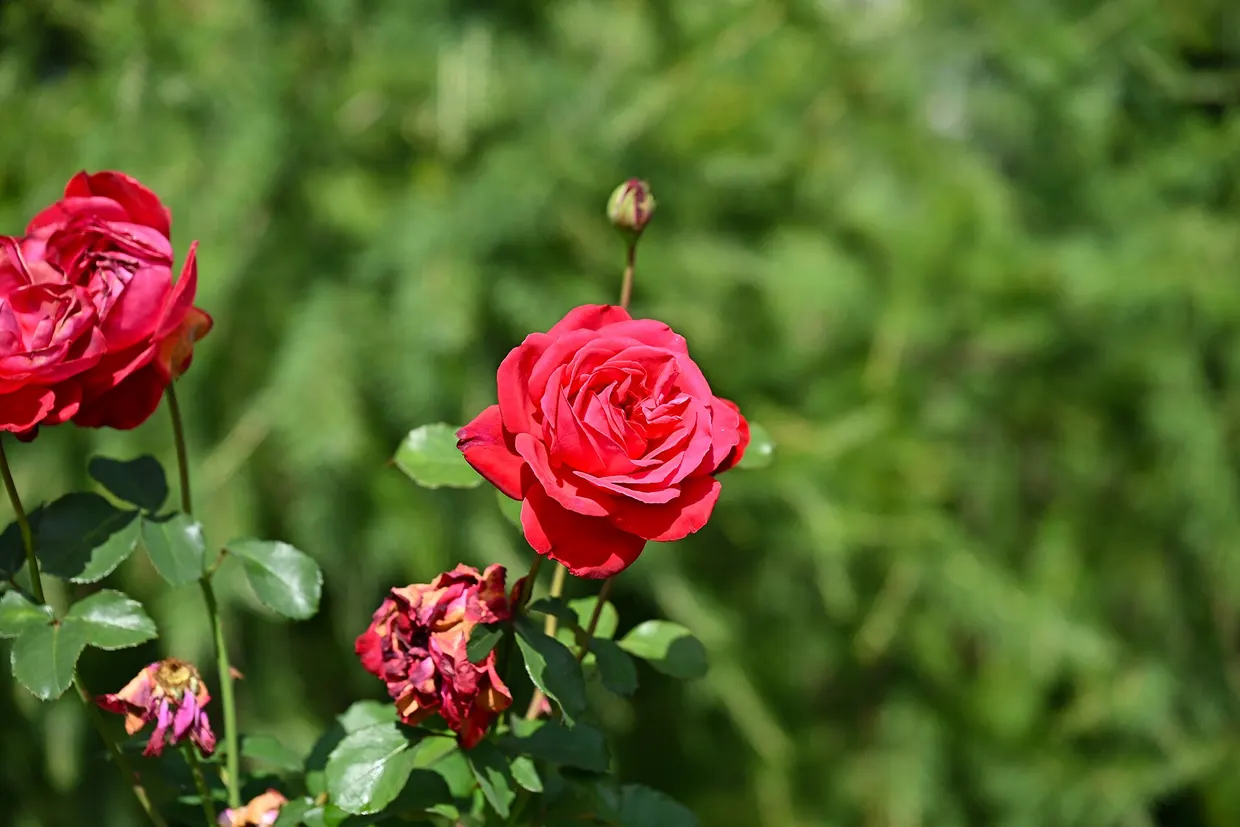
Researchers have identified an epigenetic mechanism by which jasmonic acid regulates floral organ dimensions in Rosa chinensis, reporting their findings in Molecular Horticulture biomedcentral.com
Molecular Horticulturebiomedcentral.comOpen source ↗. The study demonstrates that methyl jasmonate treatments decrease mature bloom size by limiting petal cell expansion during later developmental stages rather than altering cell division rates.
Transcriptional repression of expansins
Exogenous methyl jasmonate application to tissue-cultured seedlings reduced bloom diameter by 17% and petal size by 18% at stage 4, whereas blocking endogenous jasmonate synthesis increased petal size by 18%. Transcriptomic analysis showed that the jasmonate-responsive transcription factor RcMYC2 is induced during this process. Knockdown of RcMYC2 using virus-induced gene silencing generated flowers with a 19% larger diameter and 19% larger petal cells. Testing downstream targets showed that RcMYC2 binds directly to the G-box motif within the promoter of the expansin gene RcEXPA8, repressing its expression.
Epigenetic histone deacetylation
Protein-protein interaction assays revealed that RcMYC2 requires the Mediator subunit RcMED25 to mediate this transcriptional inhibition. In RcMED25-silenced lines, methyl jasmonate treatments failed to restrict flower size or reduce RcEXPA8 activity. The complex recruits the histone deacetylase RcHDA8, which binds directly to RcMED25. Chromatin immunoprecipitation assays confirmed that jasmonate activation diminishes histone H3 acetylation levels (H3K9/K14ac) at the RcEXPA8 promoter. This chromatin remodeling blocks cell wall loosening and final petal expansion.