UC Berkeley maps neural circuit linking sleep and growth hormone release in mice
Berkeley researchers recorded hypothalamic neurons in mice and found that sleep drives growth hormone release, while the hormone in turn nudges the brain toward waking.

Researchers at the University of California, Berkeley, have identified the neural circuit that regulates growth hormone release during sleep, according to a study published in the journal Cell and reported by euronews.com euronews.com
euronews.comeuronews.comOpen source ↗. The experiments were carried out on mice. It is not yet clear whether the mechanism works the same way in humans.
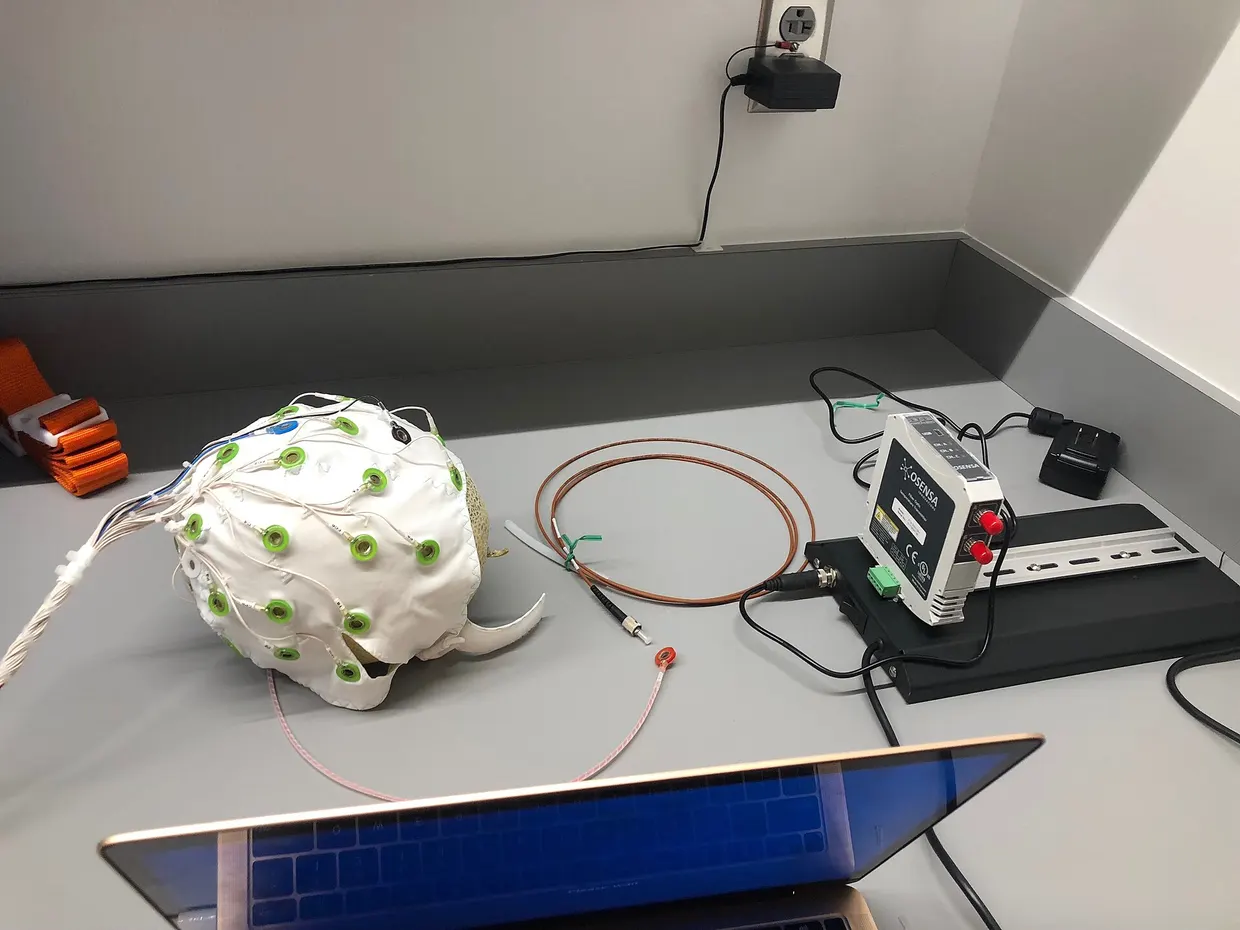
The link between sleep and the hormone turned out to run in both directions: sleep promotes growth hormone secretion, and the hormone in turn helps regulate waking, the authors report. Earlier studies mostly measured hormone levels in the blood. The Berkeley team instead directly recorded the activity of nerve cells in the brains of mice, said lead author Xinlu Ding.
Hypothalamic cells and sleep stages
The team focused on the hypothalamus. One group of its neurons produces growth hormone-releasing hormone (GHRH), which stimulates secretion of growth hormone. Another group produces somatostatin, which inhibits it. The interplay of the two regulates how much hormone the pituitary gland releases into the blood.
The activity of these cells differs between sleep stages. In non-REM sleep, the activity of somatostatin-producing cells drops, weakening inhibition, while GHRH-linked cells become somewhat more active euronews.com
euronews.comeuronews.comOpen source ↗. In REM sleep, activity related to both messengers rises, and the coordination of this activity further boosts growth hormone secretion.
Feedback to the wakefulness circuit
As growth hormone levels rise during sleep, they stimulate nerve cells in the locus coeruleus, a brainstem region involved in alertness, attention and concentration. The authors describe this as a feedback loop between sleep, hormone release and alertness.
The researchers also observed that overstimulating locus coeruleus neurons can lead to drowsiness rather than wakefulness.
The authors suggest the findings may help explain the connection between insufficient sleep and metabolic disorders, since growth hormone helps regulate fat use and blood sugar levels. Co-author Daniel Silverman noted that inadequate sleep can reduce growth hormone secretion euronews.com
euronews.comeuronews.comOpen source ↗. Ding added that the hormone may also affect cognitive performance and alertness after waking.
According to the team, identifying the circuit could eventually help in developing treatments for sleep disorders associated with metabolic and neurological diseases, including Parkinson's and Alzheimer's. The results do not show that any sleep technique helps people lose weight or build muscle, and further research is needed.
Sources · 1
Found a mistake?Read also