Malabar Botanical Garden team rescued 27,324 orchids from felled trees; 71.4% alive after 12–24 months
Researchers in Keralam relocated 27,324 native orchids from road-widening sites to three locations, including a beach; 5,224 plants have flowered, according to a paper in Plants.
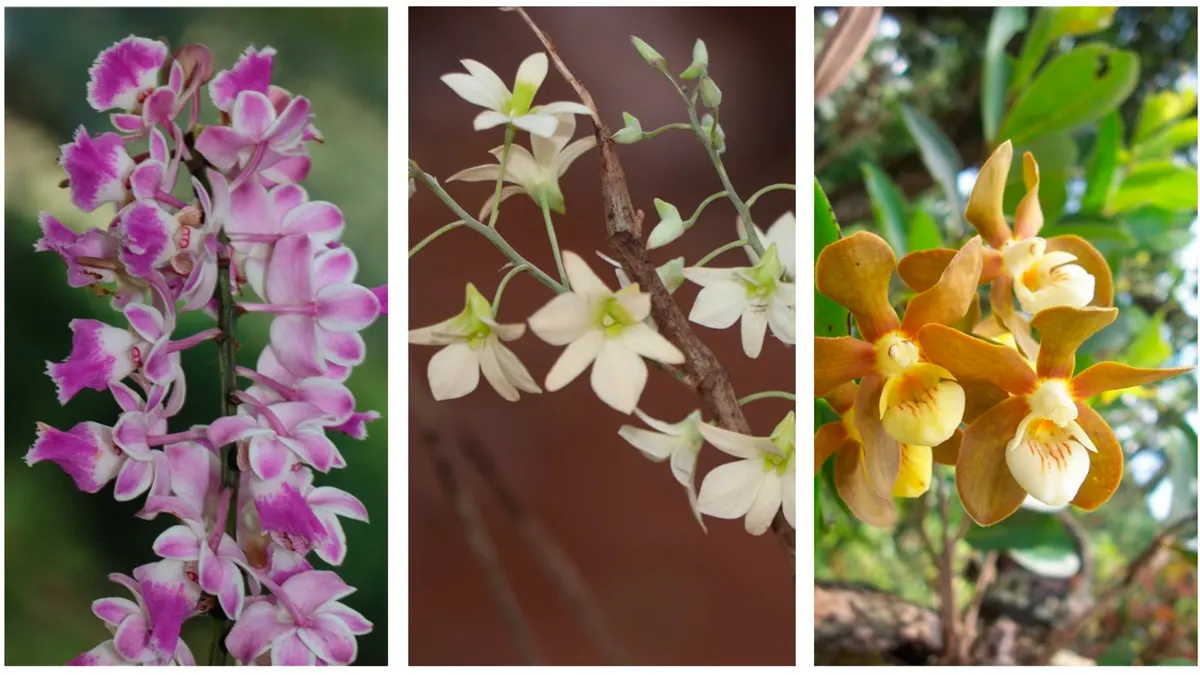
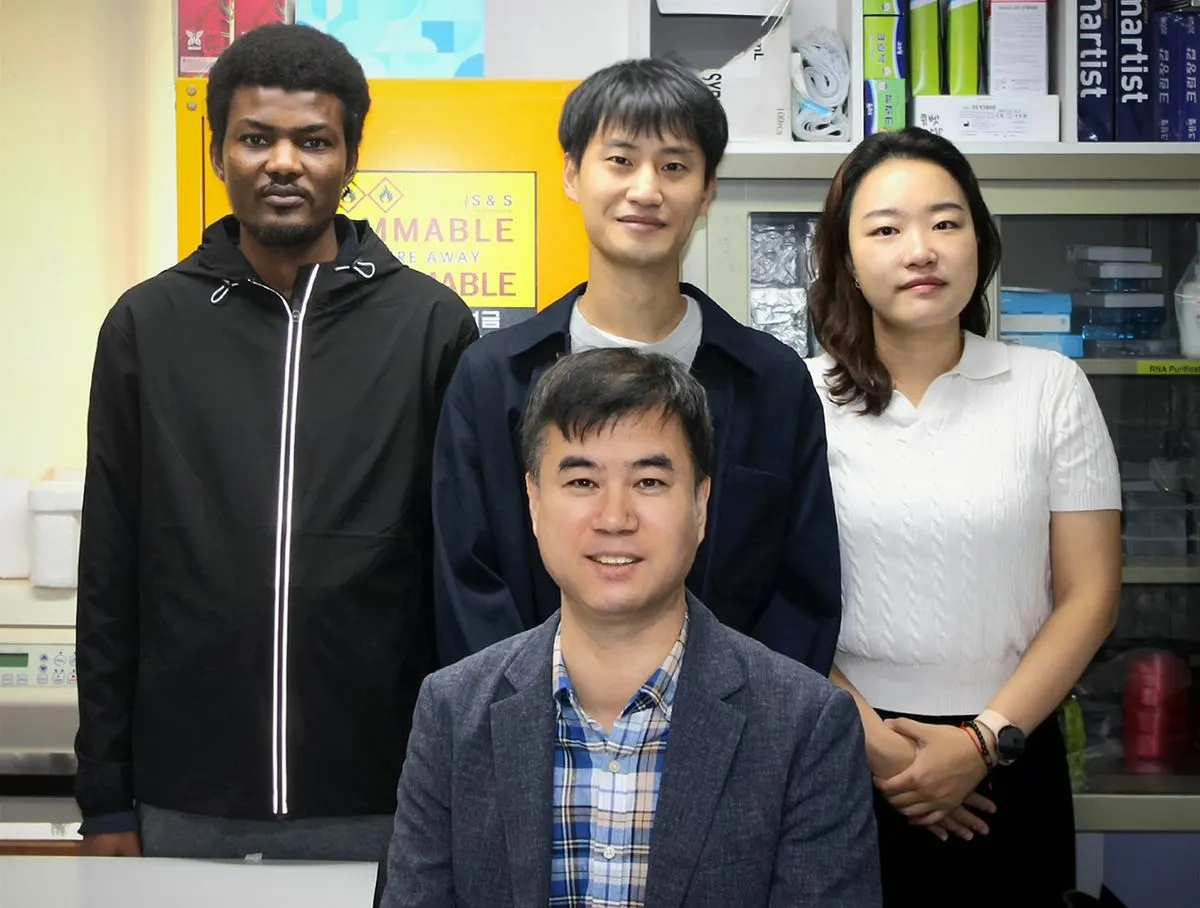
Over the last three years, a research team at the KSCSTE-Malabar Botanical Garden and Institute for Plant Sciences in Calicut, led by Viswambharan Sarasan of the Royal Botanic Gardens, Kew, has rescued more than 27,000 native tree-dwelling orchids from road-widening activities in Keralam, The Hindu Sci-Tech reports. thehindu.com
The Hindu Sci-Techthehindu.comOpen source ↗ According to a paper in Plants, the project rescued 27,324 mature native orchids representing 21 species, 12 of which are endemic to the region.
According to Orchids of India: A Pictorial Guide (2019), published by the Botanical Survey of India, Keralam accounts for more than a third of the 307 endemic orchids reported from India. Habitat loss and fragmentation are increasingly threatening the State's orchid diversity.
Rescue sites and planting locations
The project was funded by the Royal Society International Exchanges programme and initially aimed to collect orchids from forests and rural areas. The team found little diversity in the south, and under N.S. Pradeep, scientist-in-charge at the Malabar institute, it shifted to the northern districts of Wayanad and Kozhikode. Dr. Pradeep cited national and State highway projects such as NH66 and SH59, where old trees were felled; orchids that had lived on them for perhaps 25–50 years were left for months until the wood was collected.
Rescue sites also included the Calicut Corporation area and coffee plantations in Wayanad. The orchids were first planted at the Malabar Botanical Garden and at Sarovaram Biopark, an urban wetland under the District Tourism Promotion Council (DTPC), Calicut, which receives more than 5 lakh paying visitors every year. Some were later planted at Kappad Beach, which is exposed to strong winds and salt spray. thehindu.com
The Hindu Sci-Techthehindu.comOpen source ↗
Survival rates and conservation gaps
After 12 to 24 months, 19,511 of the 27,324 orchids (71.4%) were alive, 5,224 had flowered and 1,934 had produced capsules, per the paper. Establishment rates were 87% at Sarovaram, 47% at the Malabar Botanical Garden and 28% at Kappad.
Of 6,126 regional endemic orchids planted across the three sites, 3,368 survived, 510 flowered and 207 produced capsules. Among 3,146 planted individuals of high-altitude, hill and mist-forest species, 1,671 survived. The paper also reports that 11 of the 12 regional endemic orchids have no global IUCN Red List assessment.
Jeewan Singh Jalal of the Botanical Survey of India said a countrywide assessment of endemic orchids is underway and that assessments for 30 Western Ghats endemics were recently published. thehindu.com
The Hindu Sci-Techthehindu.comOpen source ↗ Dr. Sarasan said the team spent ₹2.5–3 lakh, while auditing a comparable project with monitoring would cost ₹25–50 lakh. He called for biodiversity assessment and a mitigation plan before infrastructure projects begin.