Valencia study: male lizard scent marks target rival males, while females pick the best shelter
In outdoor enclosures, females chose shelters, not scents, and mated with males holding the best ones; dominant males' secretions were richer in aggression-linked compounds.
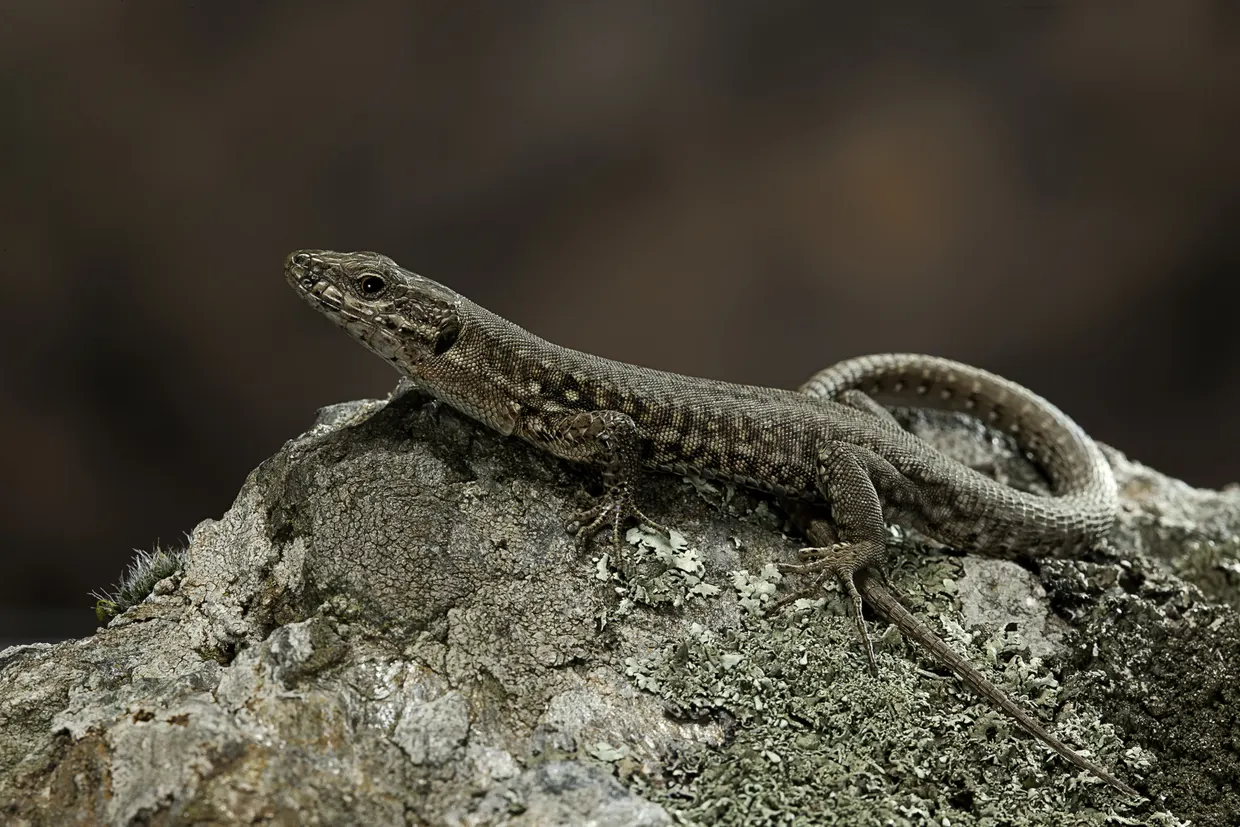
Researchers at the University of Valencia tested what lizard scent secretions are actually used for. The results were published in Proceedings of the Royal Society B: Biological Sciences and covered by focus.it. Under semi-natural conditions, the secretions turned out to be messages from males to other males rather than a signal to females focus.it
focus.itfocus.itOpen source ↗. Each outdoor enclosure held nine males and nine females.
Why the earlier view was questioned
It has long been known that lizards produce secretions for communication. Males make them in specialized glands on the hind legs and leave them on rocks, logs and other surfaces that other lizards touch. In laboratory tests, females were consistently attracted to these scents, which led to the view that they were sexual signals aimed at females.
According to the Valencia team, this does not automatically mean that females use the scent to choose a partner. All earlier knowledge came from controlled laboratory experiments.
Outdoor enclosures and what they showed
The researchers built large open-air enclosures exposed to the elements. The only human addition was six structures of wood and rock that served as shelters, of unequal quality. Each enclosure received nine males and nine females, which allowed both contact between the sexes and competition among males for the best shelter focus.it
focus.itfocus.itOpen source ↗.
The team analyzed the males' secretions, recorded social interactions between males and females and among males alone, and mapped the shelter choice of all the lizards. They also identified the parents of the hatchlings born during the experiment. Females showed a strong preference for the better shelters and mated with the males that already occupied them.
Among males the picture was different. Dominant males were more likely to hold the best shelter, and their secretions were richer in compounds that promote aggression and dominance.
The authors conclude that the secretions are addressed first of all to other males, as a prompt to keep their distance. That males with the better scent had more females is, in this reading, a consequence of keeping rivals away, not a direct signal to potential partners focus.it
focus.itfocus.itOpen source ↗.