HPLC–MS detects psilocybin in seven Chinese Psilocybe specimens, 255–1,903 mg/kg dry weight
Of 65 dried herbarium specimens from 41 species and 11 genera, only Psilocybe contained psilocybin; the study also describes two new fungal species.
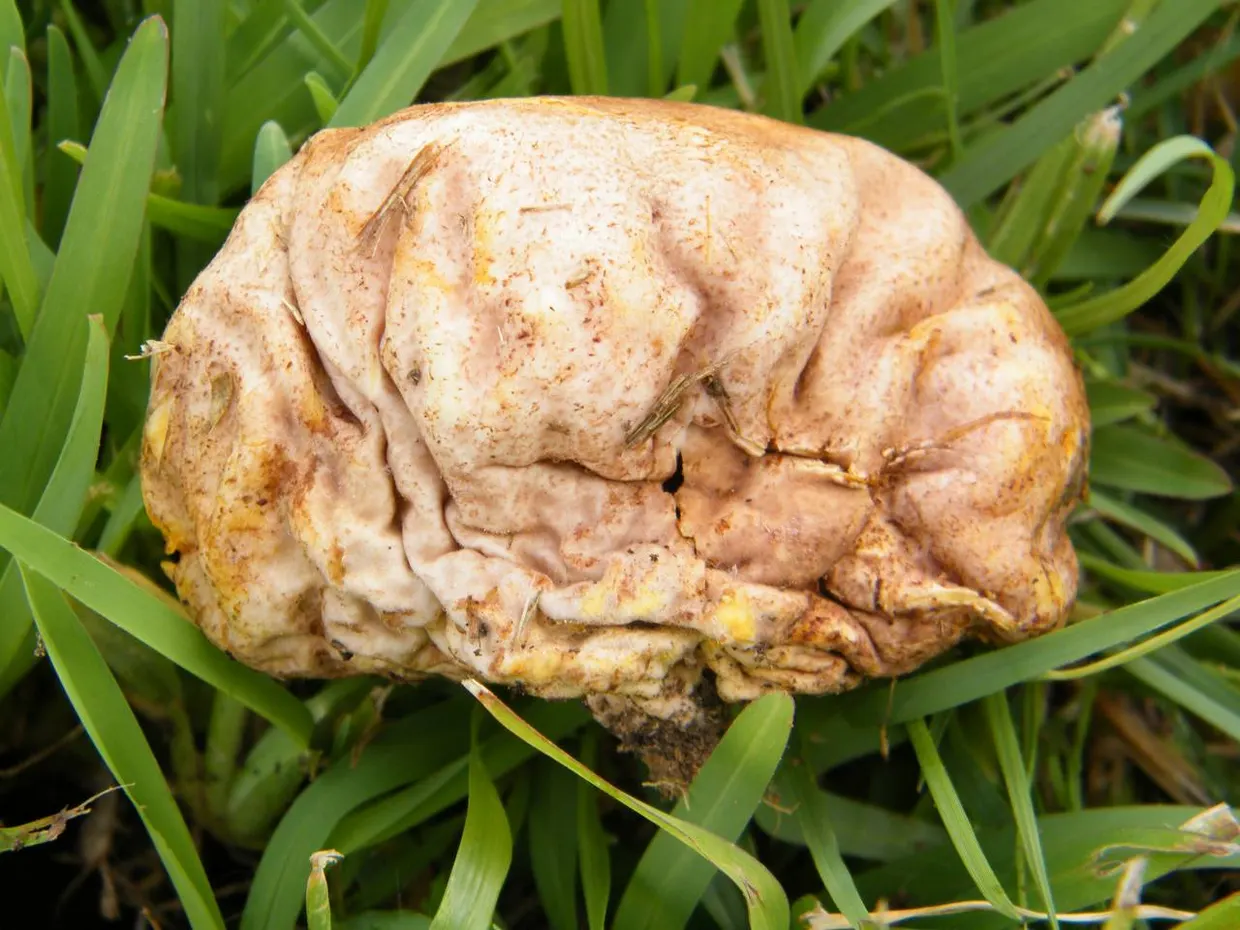
Researchers screened 65 dried macrofungal specimens collected across China and found psilocybin only in seven Psilocybe specimens, at 255 to 1,903 mg/kg dry weight. The work is published in IMA Fungus (doi.org) and covers 41 species from 11 genera of the Strophariaceae assemblage. According to the authors, the same study describes two new species and one first record for China doi.org
doi.orgdoi.orgOpen source ↗.
Specimens and chemical screening
The material came from field surveys in 11 regions: Beijing, Chongqing, Gansu, Guangxi, Heilongjiang, Hubei, Inner Mongolia, Sichuan, Xizang, Yunnan and Zhejiang. The genera were Agrocybe, Deconica, Galerina, Gymnopilus, Hebeloma, Hypholoma, Kuehneromyces, Pholiota, Protostropharia, Psilocybe and Stropharia. The specimens were originally taxonomic vouchers: they were dried overnight at 55 °C, sealed in plastic bags and deposited in the Herbarium Mycologicum Academiae Sinicae in Beijing. Some had been stored for several years before analysis.
Secondary metabolites were analysed by high-performance liquid chromatography–mass spectrometry. Psilocybin was detected only in Psilocybe among the lineages examined. The authors report that Psilocybe cangyuanensis and the previously described Psilocybe striata produce psilocybin, which they describe as the first direct laboratory confirmation for both species.
New species and phylogeny
Morphology was examined in 31 specimens from nine genera, including measurements of 30 basidiospores, 20 basidia and 20 hymenial cystidia per collection. DNA was extracted from 5–10 mg of dried tissue, and seven markers were amplified. Trees were built by maximum likelihood (1,000 bootstrap replicates) and Bayesian inference (two million generations). Psilocybe was analysed with a four-locus dataset doi.org
doi.orgdoi.orgOpen source ↗.
The analyses established two new species, Psilocybe cangyuanensis and Stropharia brunneotomentosa, and the first Chinese record of Galerina pruinatipes. The holotype of P. cangyuanensis was collected in Nangunhe National Nature Reserve, Cangyuan County, Yunnan, at 2,302 m in moist soil under broad-leaved forest. Its pileus is 1.9 cm across and its stipe is 8.1 cm long and 0.2 cm thick.
The authors note that the psilocybin gene cluster is associated with Psilocybe and has been transferred between lineages by horizontal gene transfer. For this reason, they state, phylogeny can only suggest candidate species, and occurrence has to be confirmed by chemical analysis.