Manx shearwaters returning to the nest show jet lag in GPS tracks, a Sun-compass error
GPS tracks of Manx shearwaters over nearly 20 years show deflected return paths, which scientists link to a drifting internal clock.
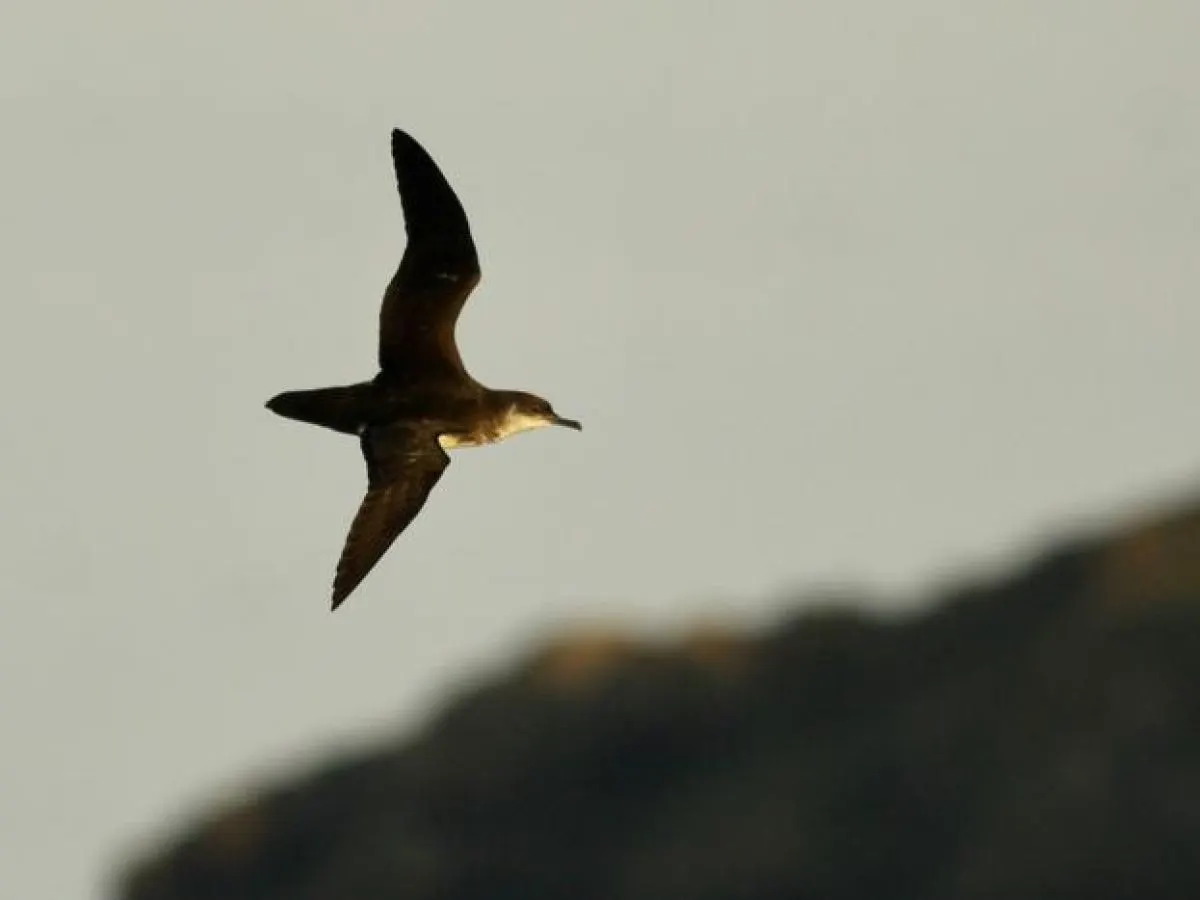
English scientists have studied GPS tracks of Manx shearwaters for nearly 20 years. They report that the birds deviate from a direct course when returning to the nest from their Atlantic hunting grounds, according to Sciences et Avenir. The researchers link the deviation to a form of jet lag in a Sun-based compass sciencesetavenir.fr
Sciences et Avenirsciencesetavenir.frOpen source ↗. The Manx shearwater is a seabird that looks like an albatross but is the size of a pigeon, and it can live up to 50 years.
Nest duty and foraging trips
The bird lays one egg a year and incubates it for two months, taking turns with its partner. Roughly every two weeks one of them leaves to hunt in the Atlantic, while the other incubates the egg without eating or drinking.
At the start, the scientists wanted to know which compass the birds use to find their way. Birds are known to rely on several methods: the magnetic field, the stars and the Sun.
Sun compass and internal clock
When the researchers analysed the return trips from the hunting area to the nest, they saw that the birds do not hold a well-defined heading towards the colony. They are deflected. The hypothesis was that this error comes from a time shift in a Sun-based compass: the bird compares the Sun's position in the sky with its internal clock to decide which way to fly sciencesetavenir.fr
Sciences et Avenirsciencesetavenir.frOpen source ↗.
Take a bird that must fly east. In the morning its clock says the day is starting, and since the Sun rises in the east, it flies towards the Sun. In the late afternoon the clock signals the end of the day, the Sun sets in the west, and the bird flies with the Sun at its back. This works only when the biological clock is well calibrated.
On the way home a shearwater can cover up to 1500 kilometres in 48 hours. Its internal clock has no time to calibrate and drifts from local time, which produces the deviation the scientists observed. Even close to the coast, where landmarks could be used, the birds keep making the error. According to the researchers, this confirms that they still use the Sun as a compass.
Humans have experienced jet lag for only a few decades, while these birds have lived with it all along. The researchers now want to examine whether the shearwaters may have evolved to adapt to it sciencesetavenir.fr
Sciences et Avenirsciencesetavenir.frOpen source ↗.