Thymol and carvacrol reduced diarrhea in goat kids in an E. coli O157:H7 challenge model via gut microbiota and mucin
In 3-month-old Tibetan cashmere goat kids, thymol and carvacrol changed the gut microbiota and raised MUC2-linked barrier responses, the authors report. The work was done in an acute challenge model.
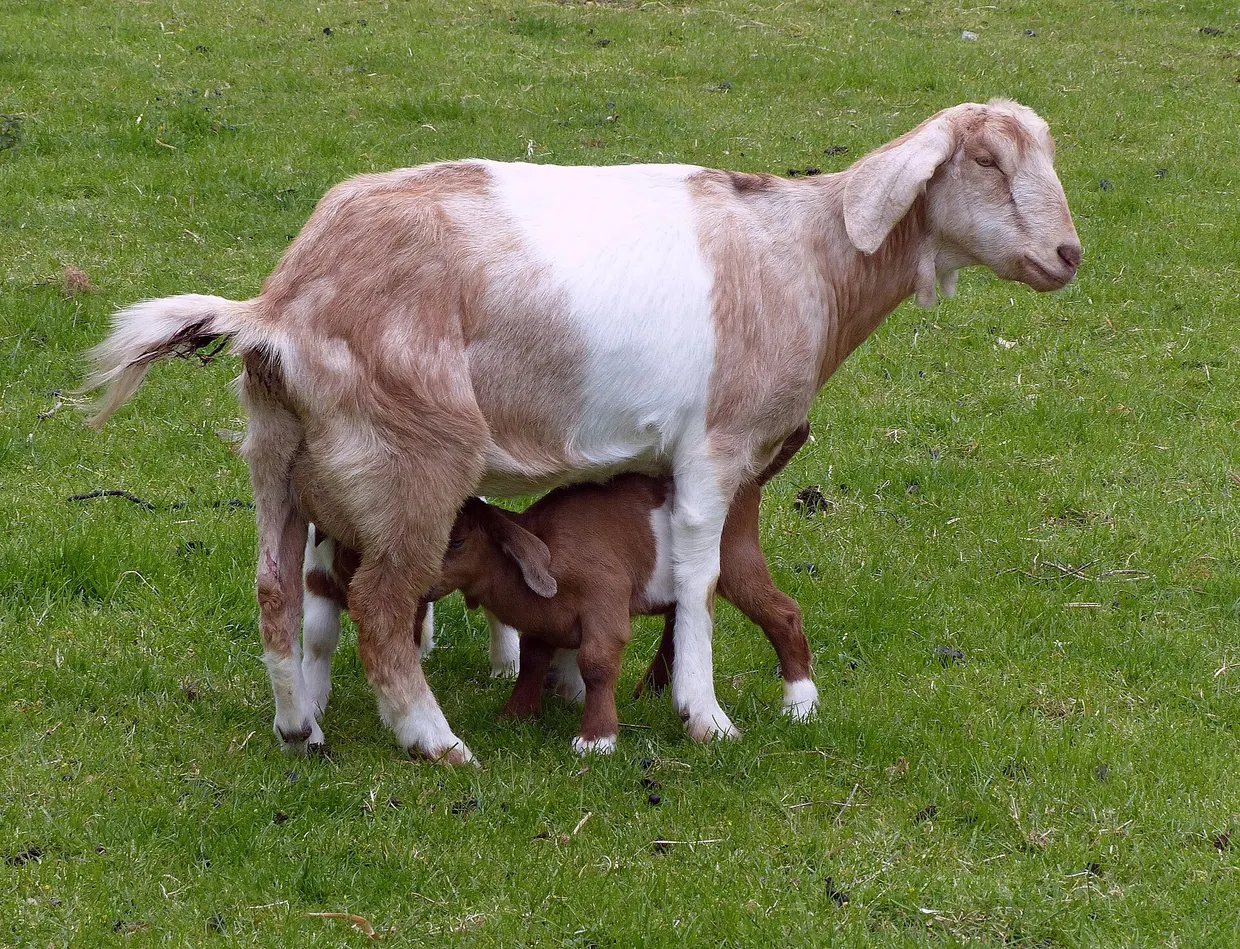
Thymol and carvacrol (CAT) alleviated diarrhea in 3-month-old Tibetan cashmere goat kids in an acute E. coli O157:H7 challenge model, report Xu Y. and co-authors in Animal Microbiome (2026), according to the paper registered at doi.org biomedcentral.com
doi.orgbiomedcentral.comOpen source ↗. The authors used integrated multi-omics analyses to test whether CAT acts by remodeling the intestinal microbiota and modulating metabolite-associated mucin responses. Earlier work had shown that CAT eases diarrhea in kids of this age, but the mechanism remained unclear.
The intestinal disturbance was induced by intraperitoneal injection of E. coli O157:H7. The experiments were carried out in goat kids, not in clinical use.
Microbiota and metabolite changes
CAT treatment significantly remodeled the intestinal microbiota and reduced the abundance of E. coli. It also enriched Romboutsia maritimum, which the authors describe as a potential commensal bacterium. Metabolomic analysis showed that CAT significantly increased benzyl cinnamate (BzC), and BzC correlated positively with R. maritimum and with IL-10.
Genome-based functional annotation indicated that R. maritimum harbors genes annotated to phenylpropanoid-related pathways. The authors describe this as predicted metabolic potential that may be associated with BzC-related metabolism biomedcentral.com
doi.orgbiomedcentral.comOpen source ↗.
Mucin-associated barrier
Proteomic analysis of intestinal epithelial tissue showed that CAT upregulated proteins involved in mucin-type O-glycosylation, with GALNT7 identified as a key responsive protein. Functional assays further demonstrated that BzC promoted MUC2 expression in a GALNT7-dependent manner. According to the authors, this supports mucin-associated barrier responses and attenuates diarrhea-related intestinal alterations.
The authors conclude that the findings identify a potential microbiota–metabolite regulatory pathway by which CAT protects against intestinal inflammation in young goat kids. They also state that the results provide new insights into microbiota-based strategies for controlling diarrhea in young ruminants.