Sangmyung University team automates indicator species selection for eDNA river quality assessment
The KGBE method raised agreement between eDNA and microscopy water quality indices from 0.57 to 0.70 on 1,407 European river samples, the authors report.
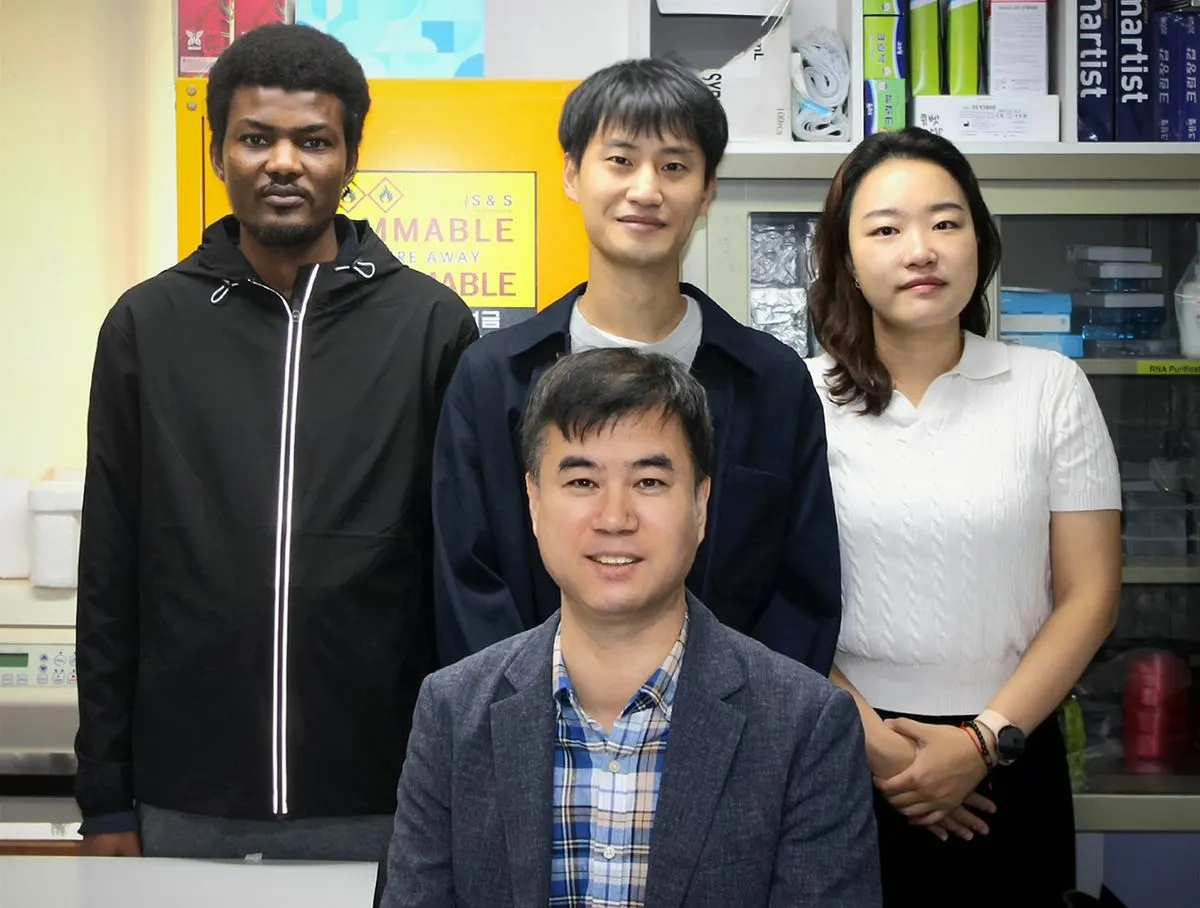
Sangmyung University announced, according to fnnews.com, that a team led by Prof. Gi Jang-seo of the biotechnology program has developed a method for automatically selecting indicator species to improve the accuracy of environmental DNA (eDNA) analysis fnnews.com
fnnews.comfnnews.comOpen source ↗. Benthic diatoms living on stones and aquatic plants in riverbeds differ in pollution tolerance, so they are used to assess water quality. Microscope identification varies between examiners and is labor-intensive, while eDNA metabarcoding yields sequence counts that do not match actual cell numbers.
The knowledge-guided backward elimination (KGBE) method removes detected species one by one and keeps the set whose index comes closest to the microscopy result. On 1,407 European river samples, agreement between the eDNA and microscopy indices rose from 0.57 to 0.70, and agreement on five-class water quality grades rose from 51.2% to 63.4%. The method filtered out over-detected pollution-tolerant species and selected 248 key indicator species.
Seven alternative predictive models showed higher fit but could not explain per-species contributions. KGBE relies on the principles of existing water quality indices, so its results are interpretable and comparable with earlier survey data. At 58 sites in the Han River basin, agreement with microscopy also improved. The work was published in Environmental Science and Ecotechnology, volume 34, 2026.