In 10 of 40 wild bird populations, counts did not recover after avian influenza outbreaks
An analysis of 40 pre-2020 mass-mortality cases found most local populations recovered or were barely affected, but a quarter did not return to baseline.
A study in PLoS ONE analysed 40 historical cases of mass mortality in wild birds caused by highly pathogenic avian influenza (HPAI) before 2020 plos.org
PLoS ONEplos.orgOpen source ↗. The cases were recorded in 2005–2018 in Europe, Asia and Africa. Only populations with counts for at least three years before and after the outbreak were included.
The authors compared four measures: the change from the last count before the outbreak to the first count after it, the change in average counts in later years, the change in population trend, and the time needed to return to the pre-outbreak baseline. Recovery was defined as reaching at least 95% of the initial level.
Short-term declines, longer-term recovery
Initial declines were seen in most cases: 27 of 40 populations fell and 13 grew. The median change was a decrease of 17% (interquartile range from -35% to 5%). In the longer term, average counts were significantly lower in only eight of the 40 cases, and the population trend fell significantly in only two. In 17 populations the count returned to its previous level in about five years, in some cases in three and in others in eight.
Overall, in most local populations the outbreaks either had limited effects on counts or caused short-term reductions followed by recovery plos.org
PLoS ONEplos.orgOpen source ↗.
Populations that did not recover
In 25% of cases (10 of 40), the initial decline was not recovered within the monitoring period of 4–17 years after the outbreak. Declines were more pronounced in gulls and terns: four of the five populations studied fell by more than 20%. Waterfowl were more resilient, and long-term declines were mostly not seen in them. The authors suggest this may be due to immunity from earlier contact with avian influenza viruses and relatively fast breeding.
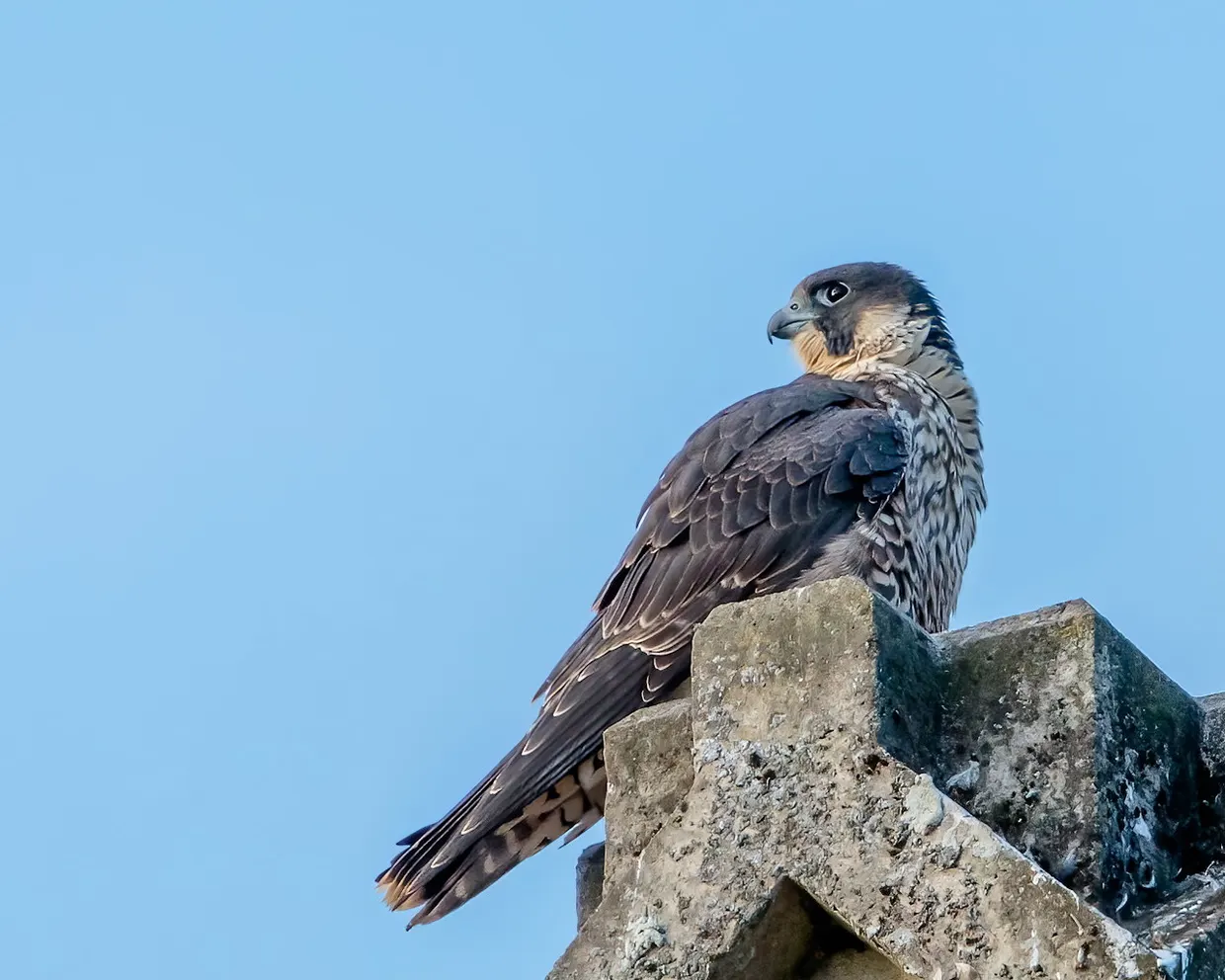
Populations that had not recovered by the end of monitoring included African penguin (Spheniscus demersus), Cape cormorant (Phalacrocorax capensis), tufted duck (Aythya fuligula), common pochard (Aythya ferina) and peregrine falcon (Falco peregrinus). Impacts were seen across a range of taxa.
The authors note that the scale of HPAI impacts has changed dramatically since 2020. They state that disease surveillance should be combined with effective population monitoring to identify affected species, and that further research is needed on strategies to minimise impacts and on factors limiting recovery plos.org
PLoS ONEplos.orgOpen source ↗.