Soil profiles to 2 m on several continents: about 20% of sites have a second root layer below 1 m
An international team analysed deep soil boreholes and found bimodal root systems at about 20% of sites. The dense lower layer matches soil rich in nitrogen and moisture.
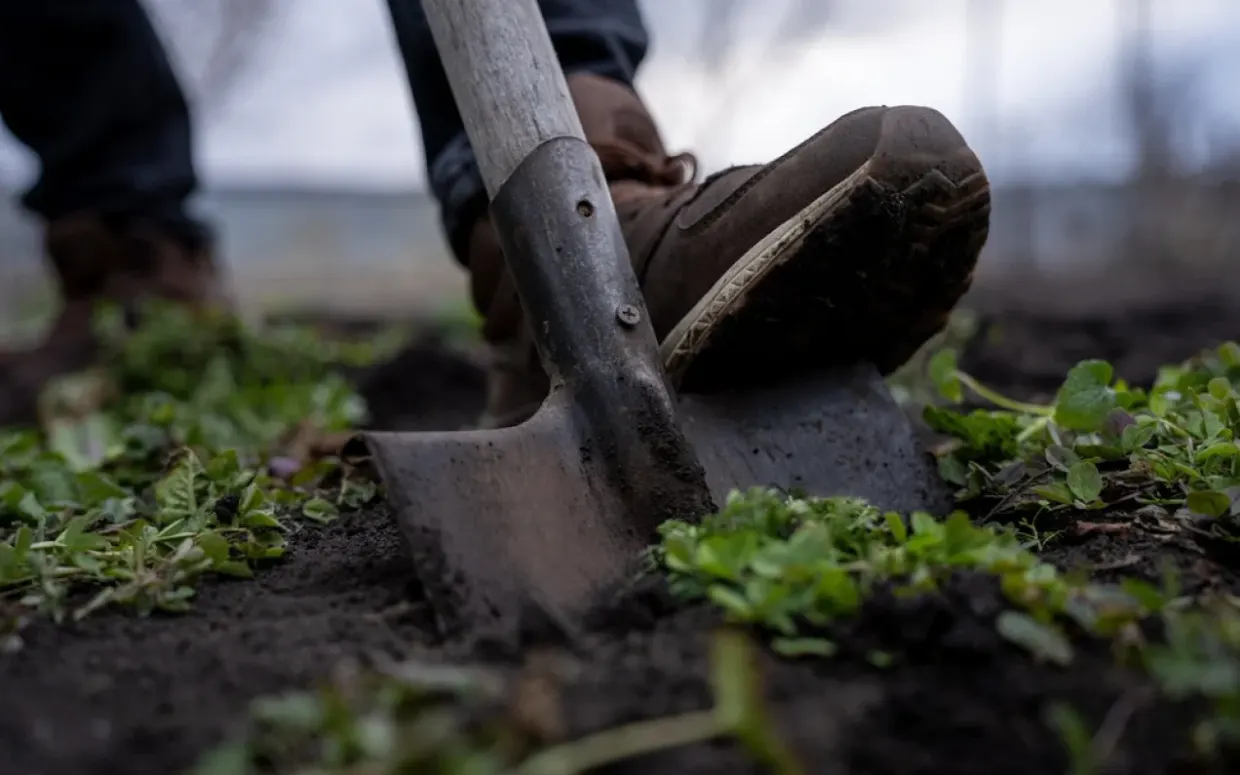
An international team of researchers analysed deep soil boreholes reaching two metres on several continents, wiescirolnicze.pl reports, citing sciencedaily.com. At about 20 percent of the studied sites the root system proved bimodal, that is, split into two layers wiescirolnicze.pl
wiescirolnicze.plwiescirolnicze.plOpen source ↗.
Two root layers in one profile
The first dense layer lies shallow, in the upper 10–30 centimetres of humus. Below it the roots become markedly sparser, which is why it was previously assumed that this was the end of the root system. However, beyond a depth of one metre (about 100–130 cm) the plants build a second, substantial layer of fine roots.
The deep layer closely coincides with underground soil layers rich in nitrogen and moisture. According to the report, these had soaked in with rain and were retained on heavier substrate. The summary of the study states that one in five plant ecosystems forms such a hidden layer below one metre, and that it lets trees and shrubs reach stored water and leached nitrogen during extreme heat.
Reading for garden watering
The outlet links the finding to a long-observed garden pattern: some plots hold up in summer heat with infrequent watering, while plots watered briefly every day wilt. According to the outlet, daily small doses wet only the top five centimetres of soil. The plant, having water and fertiliser near the surface, then does not spend energy on deeper roots wiescirolnicze.pl
wiescirolnicze.plwiescirolnicze.plOpen source ↗. The whole root system stays shallow and can dry out or freeze through after a few days of heat or in snowless frost.
The outlet's recommendations are as follows. When planting in autumn, dig a hole of at least 50–60 cm and loosen the compacted subsoil at the bottom, because a plough pan as hard as concrete or compacted clay can stop young roots. It also suggests watering rarely but heavily, 20–30 litres at once per shrub, so that the water soaks down several tens of centimetres and the roots follow it. This is the outlet's advice, not a result of the borehole analysis.
The material does not give the number of sites, the plant species or the publication details of the original study.