Kelp Laminaria pallida develops from unfertilized male cells in culture, but with defects
In lab cultures of the brown alga Laminaria pallida, male cells gave rise to sporophytes without fertilization, but these were smaller and deformed. Mates in the vicinity reduced this.
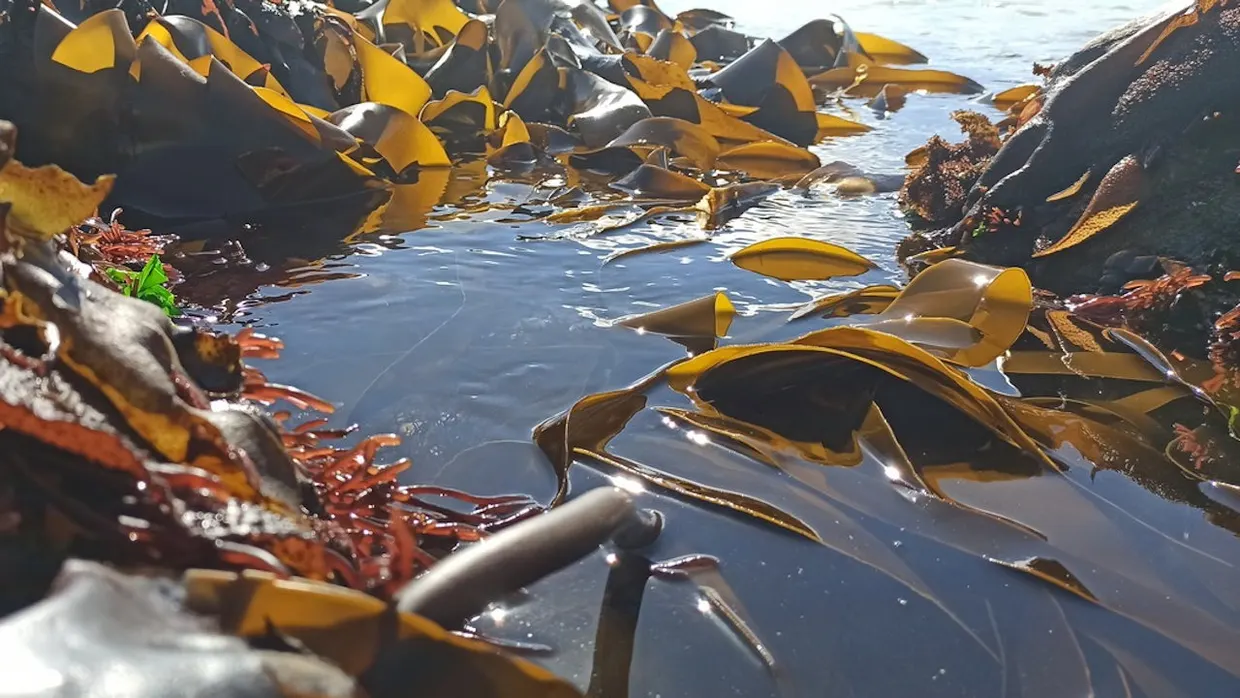
Researchers studying the brown alga Laminaria pallida showed that its male gametophytes can give rise to sporophytes without fertilization. In laboratory cultures, up to 27% of male gametophytes switched to this type of development within 40 days. The results were published in PLoS Biology. plos.org
PLoS Biologyplos.orgOpen source ↗
Life cycle and asexual development
The life cycle of the kelp alternates between microscopic gametophytes, which form sex cells, and large sporophytes several metres long, which usually develop after fertilization. In nature, sporophytes sometimes develop from unfertilized female cells, a process called parthenogenesis. Earlier studies indicated that the same processes can be triggered in male cells.
The authors observed four isolated male lines and one female line. Both sexes formed sporophytes without fertilization, in laboratory cultures and in algae taken from the wild.
Such sporophytes were significantly smaller, had numerous body deformations and did not form the structures needed for reproduction. The authors associate asexual reproduction with endoreduplication and reduced fitness. In male parthenogenesis, the activity of genes characteristic of male development decreased. The activity of other genes became similar to that seen in female parthenogenetic sporophytes and in embryos after fertilization. plos.org
PLoS Biologyplos.orgOpen source ↗
Dependence on potential mates
When female and male gametophytes were grown in isolation, algae of both sexes switched to parthenogenesis more often. When they shared a medium but were separated by a mesh that did not let sperm through, the frequency of parthenogenesis fell. The authors suggest that substances dispersed in the water take part in recognizing the sex of neighbours. Their nature and the mechanism have not yet been established.
In two natural populations, asexual reproduction was retained but rarely expressed. Based on these data, the authors conclude that it functions as a conditional alternative to sex. It promotes persistence when sexual reproduction is constrained, while the long-term benefits of sexual reproduction are preserved when mates are available.