Michigan State study: forest around US national parks outweighs interior forest for bird presence
Analysis of 17 years of monitoring in eight northeastern US national parks found that for most of 16 bird species, forest condition outside park borders was the key factor.
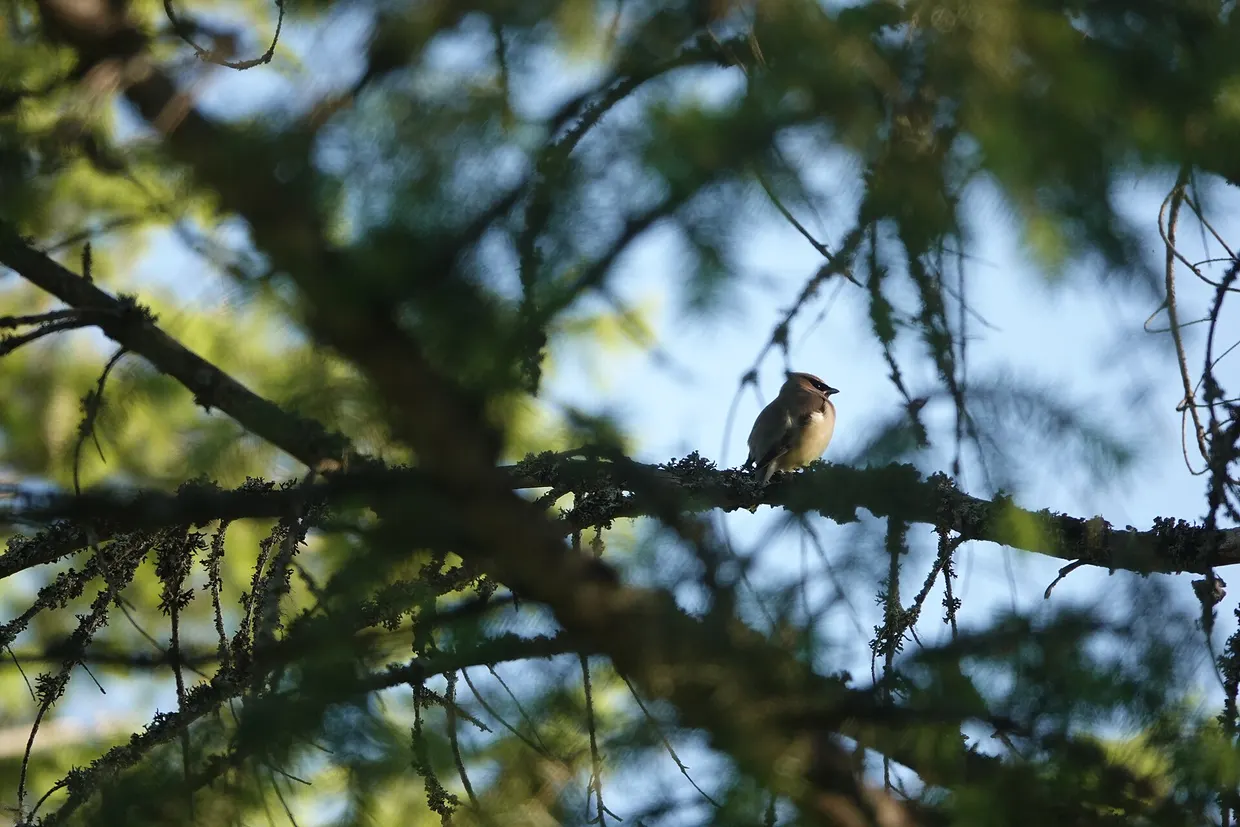
Researchers at Michigan State University report that the condition of forest outside US national parks is, for most bird species, the strongest factor in whether the species is present inside them, according to a study described by eurekalert.org. The team, led by quantitative ecologist Elise Zipkin and doctoral student Bruna Amaral, analyzed 17 years of bird monitoring data collected from 2006 to 2023 in eight national parks in the northeastern United States. The study was published on October 31 in Landscape Ecology. eurekalert.org
eurekalert.orgeurekalert.orgOpen source ↗
Each summer breeding season, National Park Service volunteers return to the same locations and record every bird they hear. Around 3.5 billion birds migrate to North America each year to breed, and national parks provide nesting grounds along the way.
Forest structure at several scales
The authors measured forest structure at different spatial scales inside and outside each park, from within 400 meters of each bird sighting to the entire surrounding county. Local habitat mattered, as expected: it is where birds build nests, feed their young and hide from predators. Needs differed by species. Black-throated blue warblers were more common in stands with more shrub cover, while red-eyed vireos were more common in stands with larger, thick-trunked trees.
The wider landscape mattered even more. For most of the 16 species examined, forest condition outside the parks was the most important factor in whether a species was likely to be present, Amaral said. eurekalert.org
eurekalert.orgeurekalert.orgOpen source ↗ Brown creepers were more likely to choose parks surrounded by large areas of big, mature trees with a more open understory, and were not significantly affected by forest structure inside park boundaries.
Parks and their surroundings
Amaral said a park can be healthy and still lack birds if it sits in a degraded landscape. One possible reason is that fledglings must leave the nest and gradually become more independent before they migrate south, so the land they disperse into has to give them a chance of survival.
By one estimate, populations of eastern forest birds are down 17% from half a century ago. Another study led by Zipkin and colleagues found that many of these populations continue to decline even in protected areas. Earlier studies suggest that, worldwide, protected areas contain more bird species than unprotected sites and are five times more effective at stemming species' declines.
According to Amaral, managing parks in isolation is not enough. Zipkin said that making backyards, farms and other privately owned land more bird-friendly can spill over into protected areas and improve them for birds. eurekalert.org
eurekalert.orgeurekalert.orgOpen source ↗