University of Miami: diastolic pressure below 80 linked to less brain white matter damage
In an observational study of over 1,200 adults aged 50 and older, lower diastolic pressure went with fewer white matter lesions on brain scans; causation is not shown.
Researchers from the University of Miami reported that the lower number in a blood pressure reading is associated with the state of brain white matter. The study involved more than 1,200 adults aged 50 and older and was published in the journal Stroke, according to knowridge.com. knowridge.com
knowridge.comknowridge.comOpen source ↗ The authors examined the link between diastolic blood pressure and changes visible on brain scans.
Diastolic pressure and white matter
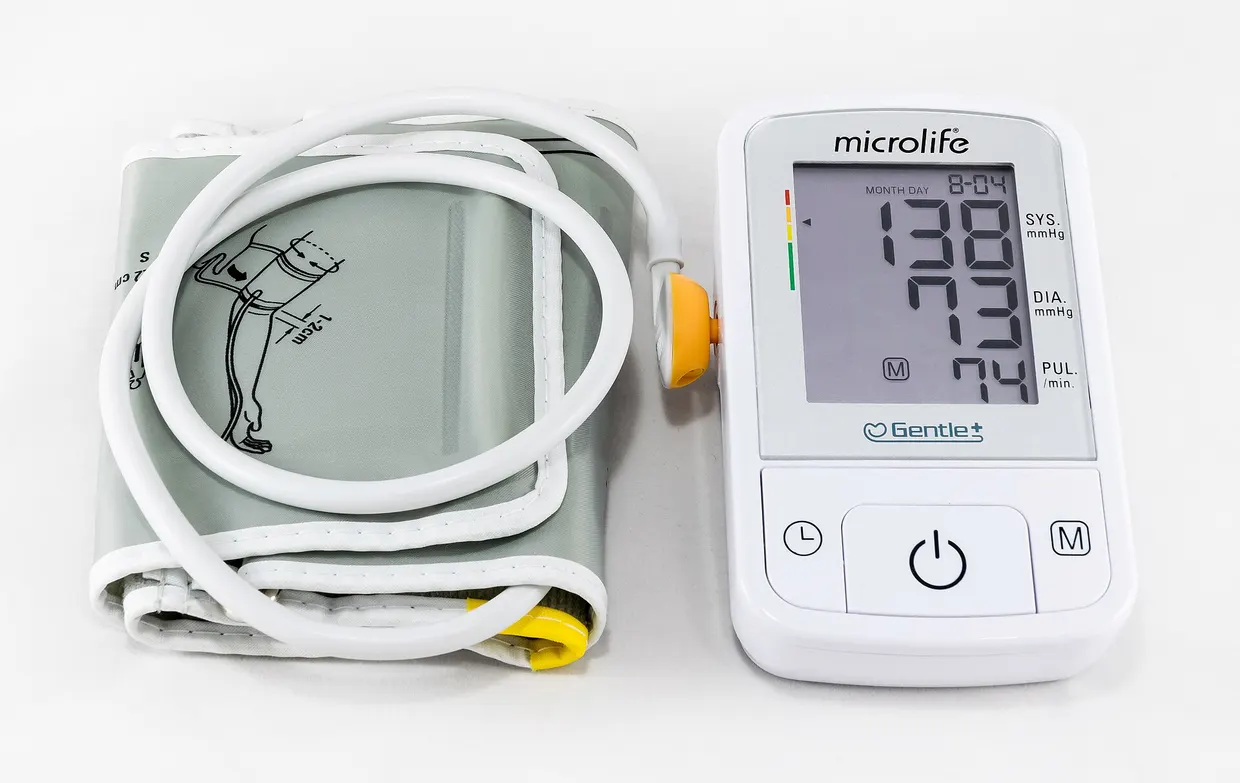
Blood pressure is written as two numbers, such as 120/80. The top number reflects pressure when the heart pumps. The bottom, diastolic number reflects pressure when the heart relaxes between beats.
The team focused on white matter, the network of nerve fibers that lets different brain regions communicate. Scans can show small bright areas where it has been damaged. These changes become more common with age and are often linked to disease of the brain's smallest blood vessels.
People whose diastolic pressure was below 80 generally had fewer such areas. Those with readings above 90 tended to have more signs of white matter injury. knowridge.com
knowridge.comknowridge.comOpen source ↗
What the result does and does not show
The work observed an association. It does not prove that lowering the bottom number prevents stroke or dementia, and other health factors may explain part of the differences between participants. Nor does it mean that one number should be assessed in isolation from the other.
According to the report, blood pressure targets need to be tailored to the individual, particularly in older adults, since lowering pressure too much can cause dizziness or other problems. The report states that medication should not be changed on the basis of this study alone.
High blood pressure can damage vessels throughout the body, including those supplying the brain, and raises the risk of stroke. It may also contribute to problems with memory and thinking later in life. Because high readings often cause no obvious symptoms, regular measurement is useful, and a physician can interpret repeated values. The study adds to evidence that blood pressure control concerns more than the heart.