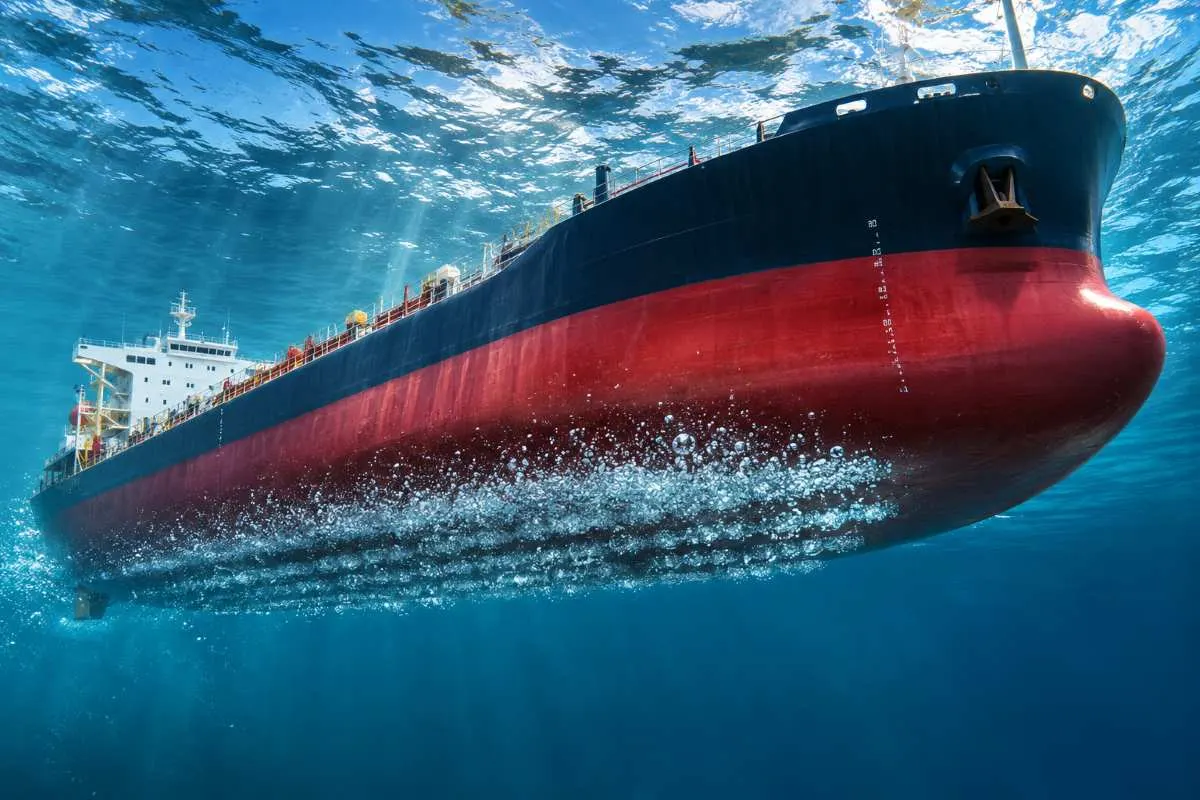
MEMA study: US ethanol can fuel 300+ methanol-capable ships using existing engines
MEMA says ethanol can run in dual-fuel methanol engines with limited modification, and US plants have about 2 billion gallons a year of spare capacity.

The Maritime Ethanol & Methanol Alliance (MEMA), a platform of the Global Centre for Green Fuels (GCGF), published a study in Singapore on 11 November 2026, as reported by prnewswire.com. According to the study, Marine Ethanol: Unlocking the US Opportunity, ethanol can use the dual-fuel engines and bunkering infrastructure built for methanol with limited modification prnewswire.com
prnewswire.comprnewswire.comOpen source ↗. It can support more than 300 methanol-capable vessels in service or on order, either on its own or blended with methanol.
US supply and shipping demand
US plants can produce 18.5 billion gallons of ethanol a year against 2025 output of 16.4 billion gallons, leaving around 2 billion gallons of spare capacity. The US produces just over half of the world's fuel ethanol and exports to around 80 countries, largely through Gulf Coast terminals that are also major bunkering hubs.
International shipping burns around 300 million tonnes of fuel a year, worth an estimated US$180 billion. In the study's illustrative scenarios, ethanol meeting 1% of that fuel by mass would require around 1 billion gallons, while a 5% share by the mid-2030s would require around 5 billion gallons.
On 28 September, Tangier Maersk completed a commercial ship-to-ship bunkering of US corn ethanol in Houston, the first publicly announced US ethanol bunkering of a deep-sea container vessel prnewswire.com
prnewswire.comprnewswire.comOpen source ↗. The International Maritime Organization is expected to decide next steps on its Net-Zero Framework at an extraordinary session on 4 December, directly after MEPC 85.
Fuel properties and emissions
The study assesses ethanol at technology readiness level 8–9. Compared with heavy fuel oil, ethanol virtually eliminates sulphur oxide emissions, cuts nitrogen oxides by 40–94% depending on engine technology, and reduces particulate matter by 90–99%, without scrubbers. Its net production cost, after co-product revenue, is below US$1 a gallon.
Ethanol (C₂H₅OH) is liquid at ambient temperature and pressure and has an octane rating of 108. Its lower heating value is 26.8 MJ/kg, against 42.8 MJ/kg for marine gas oil and 19.9 MJ/kg for methanol.
ABS provided the technical analysis as Knowledge Partner, and US producer Marquis Energy gave industry input; the views and recommendations are those of MEMA prnewswire.com
prnewswire.comprnewswire.comOpen source ↗. GCGF Managing Director Clarence Woo said the next challenge is consistency: standardised, fungible marine fuel specifications, traceable feedstocks and a robust chain of custody.