Liquid-metal core-sheath fiber combines strain sensing with 5.2–6.3 °C subambient cooling in tests
Researchers made a single porous core-sheath fiber with gallium-indium droplets that senses strain and reflects sunlight; fabric prototypes were tested outdoors in Hong Kong.
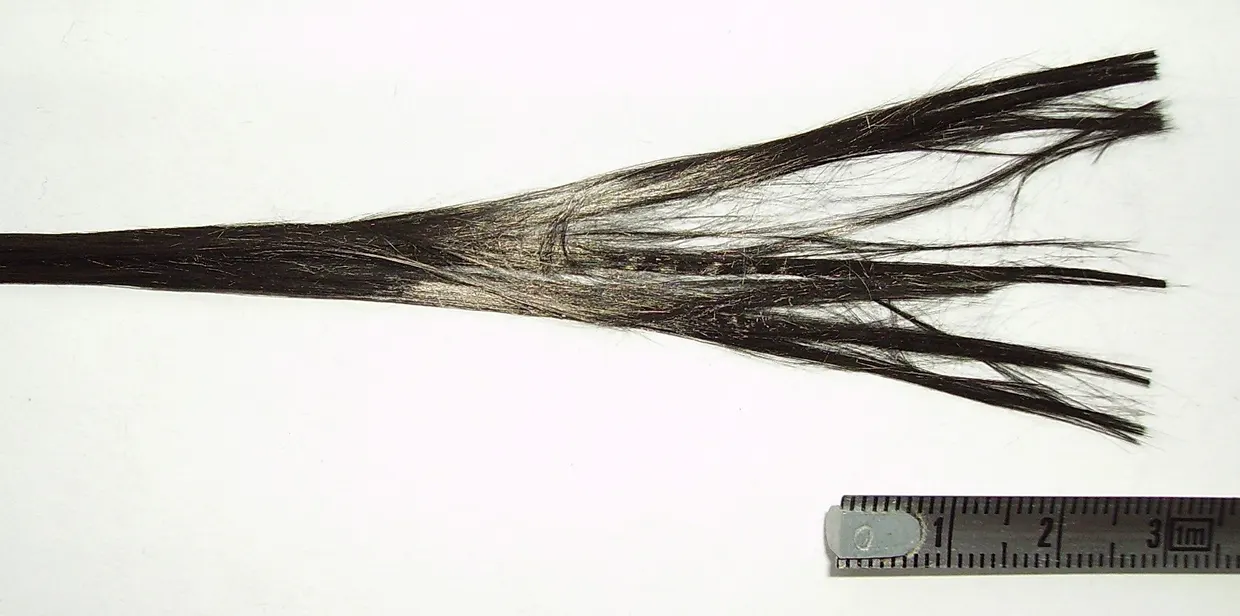
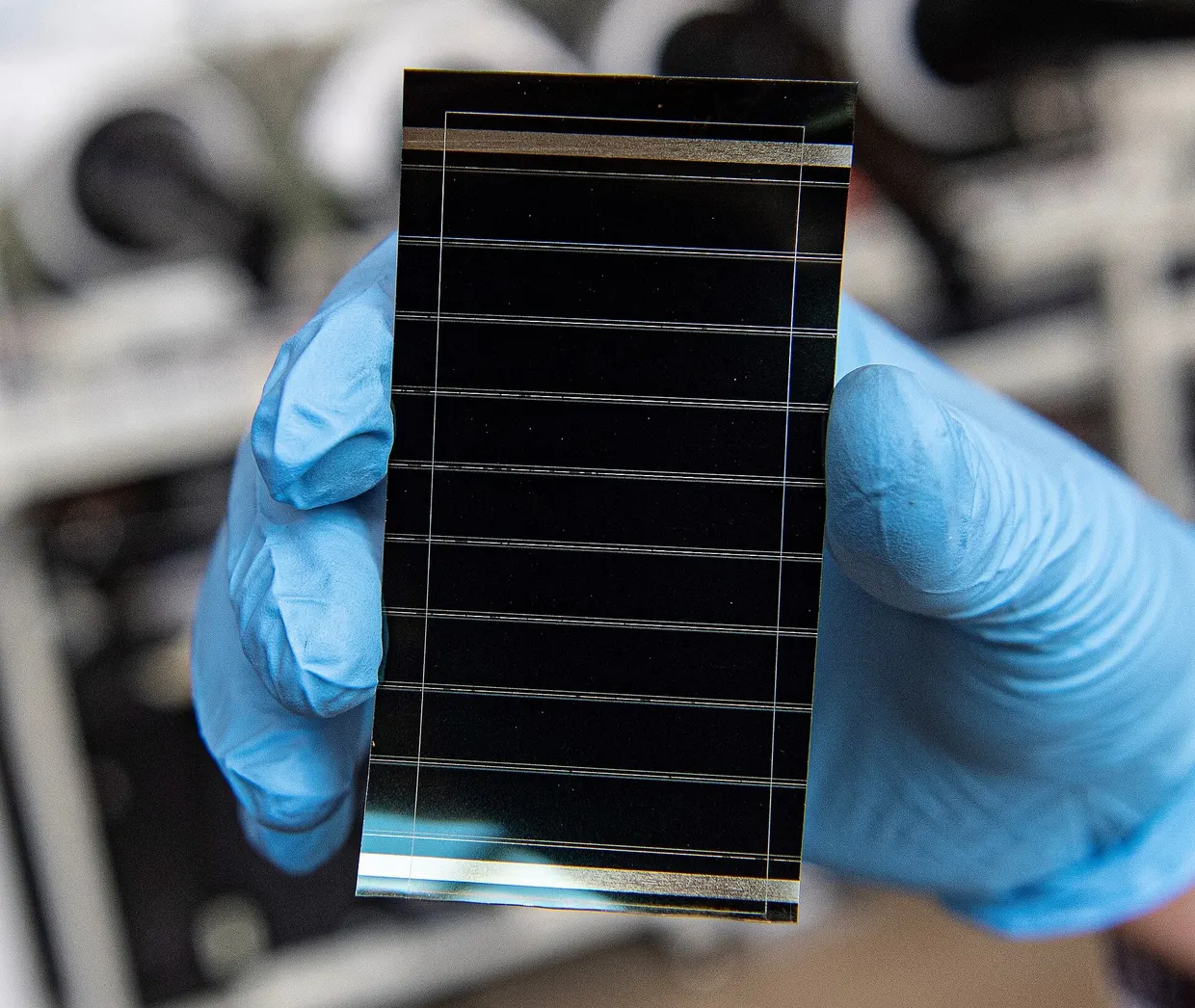
A research team has produced porous core-sheath fibers in which liquid metal microdroplets provide both motion sensing and passive radiative cooling, according to a study in Advanced Fiber Materials. The fibers detect strain down to 0.01% and respond in 62 ms. Fabrics woven from them reached a solar reflectance of 95.3% and a mid-infrared emissivity of 96.1% springer.com
Advanced Fiber Materialsspringer.comOpen source ↗.
Fiber design and fabrication
The droplets are made of eutectic gallium-indium alloy and are encapsulated in a porous polymer. The authors report that they act both as a reconfigurable conductive network and as an optical and thermal modulation unit. The fibers were made by continuous triaxial wet spinning through concentric needles of 22, 13 and 10 gauge. The sheath consists of a fluoropolymer, thermoplastic polyurethane and a UV-curable crosslinker. Deionized water served as the outer fluid and the coagulation bath.
The fibers have a dual-scale porous structure and an apparent density of 0.85 g/cm³. Their elongation at break exceeds 1000%. Fibers with 5% liquid metal loading showed no structural degradation or metal leakage over 1000 cycles at 5% strain.
Sensing and cooling performance
The sensing relies on the piezoresistive response of the liquid metal network. The gauge factor is 0.97 and the working range extends to 10% tensile strain. Recovery time is 75 ms, and the fibers detected normal pressure down to 0.05 Pa. Signal stability held over more than 20000 cycles springer.com
Advanced Fiber Materialsspringer.comOpen source ↗.
In the solar band, the droplets work as microscale reflectors alongside the non-absorbing porous matrix. In the thermal infrared, molecular vibrations of the polymer and oxide layers on the droplets promote emission. The thermal conductivity of the material is 0.495 W/(m·K), which helps move heat from the body to the radiating surface. In outdoor tests, the fabric gave sustained subambient cooling of 5.2–6.3 °C. The authors estimate annual energy savings of 80–320 MJ/m² per year.
Wearability tests
The woven fabric had an air permeability of 158 mm/s, and 162 mm/s after ten washing cycles. Seven days in artificial sweat at pH 6.5 caused no morphological degradation or loss of conductivity. Cytotoxicity tests in vitro showed high cell viability, and skin contact tests produced no observable irritation. In a smart glove, the fibers recorded arterial pulse waveforms and very light touch, such as contact with hair or feathers, and supported real-time gesture recognition together with personal thermal management.