Iranian engineers' PET-bottle asphalt withstood 295% more load cycles than standard in lab tests
A lab mix with 16% crushed PET replacing part of the limestone cracked after 64,763 load cycles versus 16,380 for conventional asphalt; road trials are still pending.
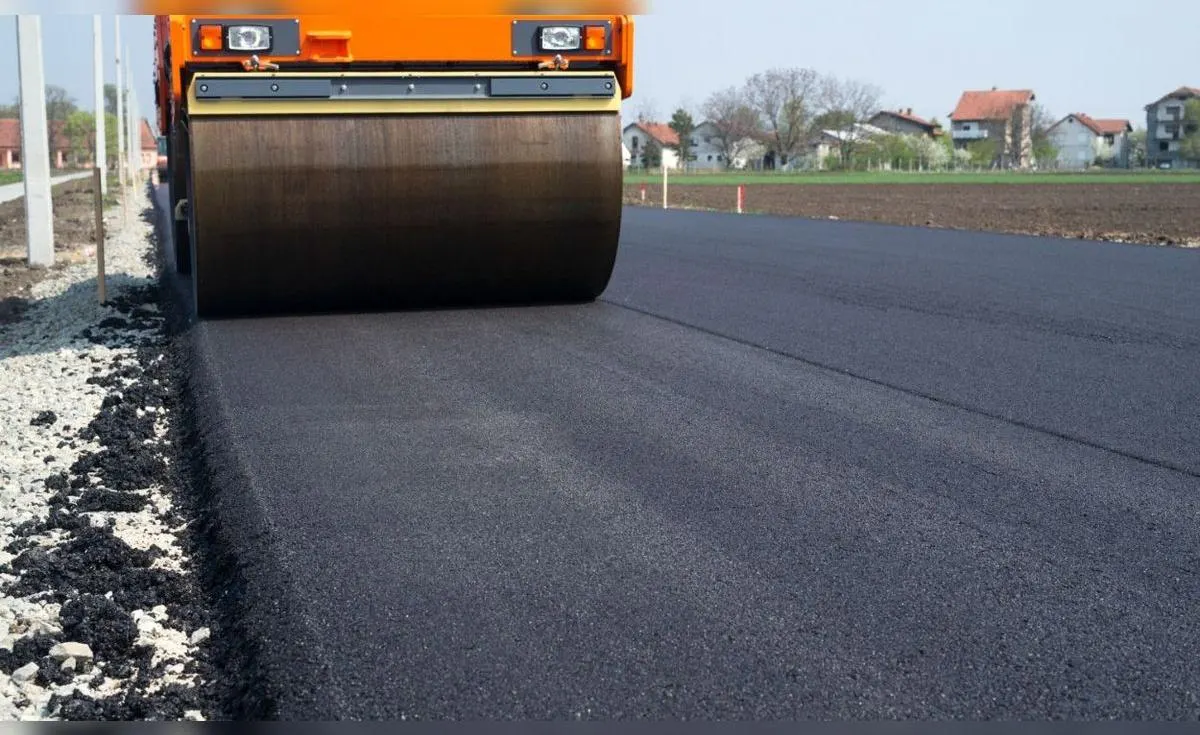
Engineers from Iran University of Science and Technology and Khayyam University developed an asphalt mix that uses recycled plastic bottles and tested it in the laboratory, according to larepublica.pe. The study was published in Scientific Reports, a Nature group journal. The mix replaces part of the limestone used in conventional pavement with crushed PET fragments, which gave a material more resistant to wear larepublica.pe
larepublica.pelarepublica.peOpen source ↗.
How the PET asphalt mix is made
The researchers collected used plastic bottles and shredded them into small fragments. They then sorted the particles by size and found that those between 4.75 and 12.5 millimetres were the most suitable for the mix.
The procedure uses the dry method: the crushed plastic is mixed directly with the stones before the asphalt bitumen is added. One of its main advantages is that it requires no new factories and no changes to the machinery now used to produce pavement.
Laboratory results and limits
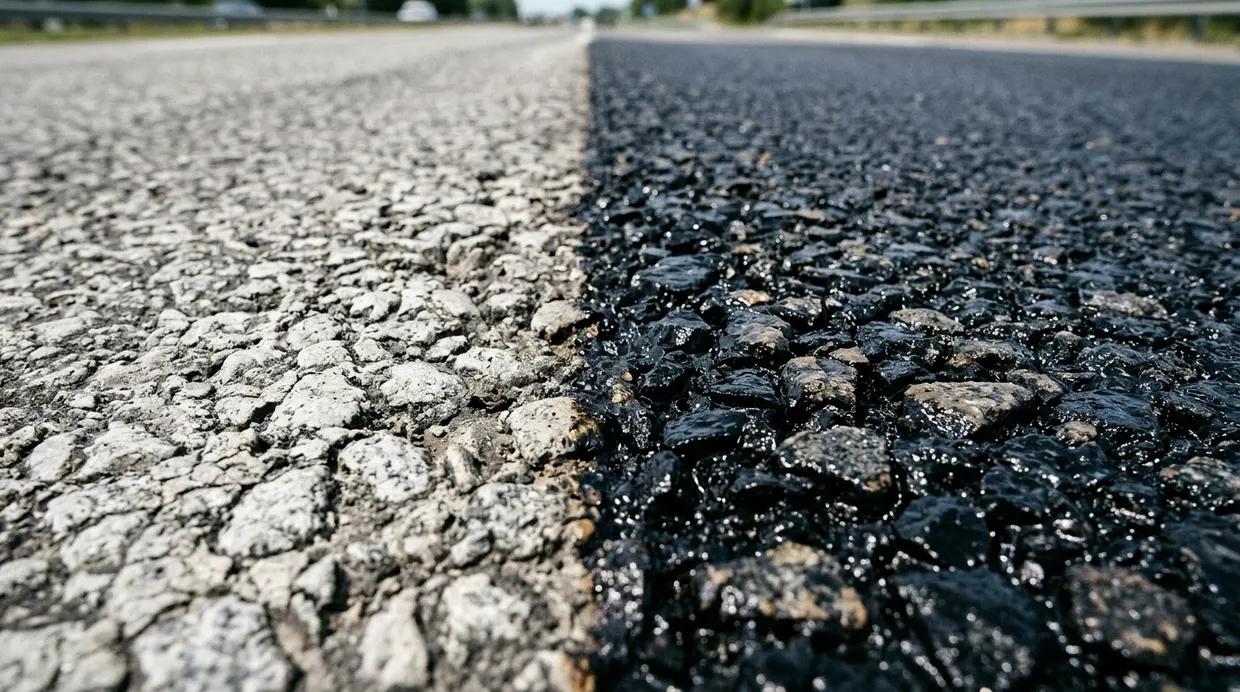
The mix with 16% PET withstood 64,763 load cycles before cracking, while conventional asphalt withstood 16,380 cycles. This is a 295% increase in fatigue resistance, almost four times as many load cycles larepublica.pe
larepublica.pelarepublica.peOpen source ↗.
A mix with 18% plastic reduced the deformation caused by repeated heavy loads by 57% and improved resistance to water by 7%.
The researchers also estimated that replacing 10% of the aggregates in one kilometre of road would reuse about 630 tonnes of PET bottles.
The results come from laboratory tests. The technology still has to pass trials under real traffic conditions and be evaluated at low temperatures: at 5 °C the material showed greater brittleness larepublica.pe
larepublica.pelarepublica.peOpen source ↗.
Sources · 1
Found a mistake?Read also