Chalmers: 44–46% of container truck trips in Sweden in 2016–2019 ran empty, per model study
Chalmers researchers built two statistical models on Swedish truck data for 2016–2019. Empty containers were 44–46% of vehicles and 32–33% of vehicle kilometres.
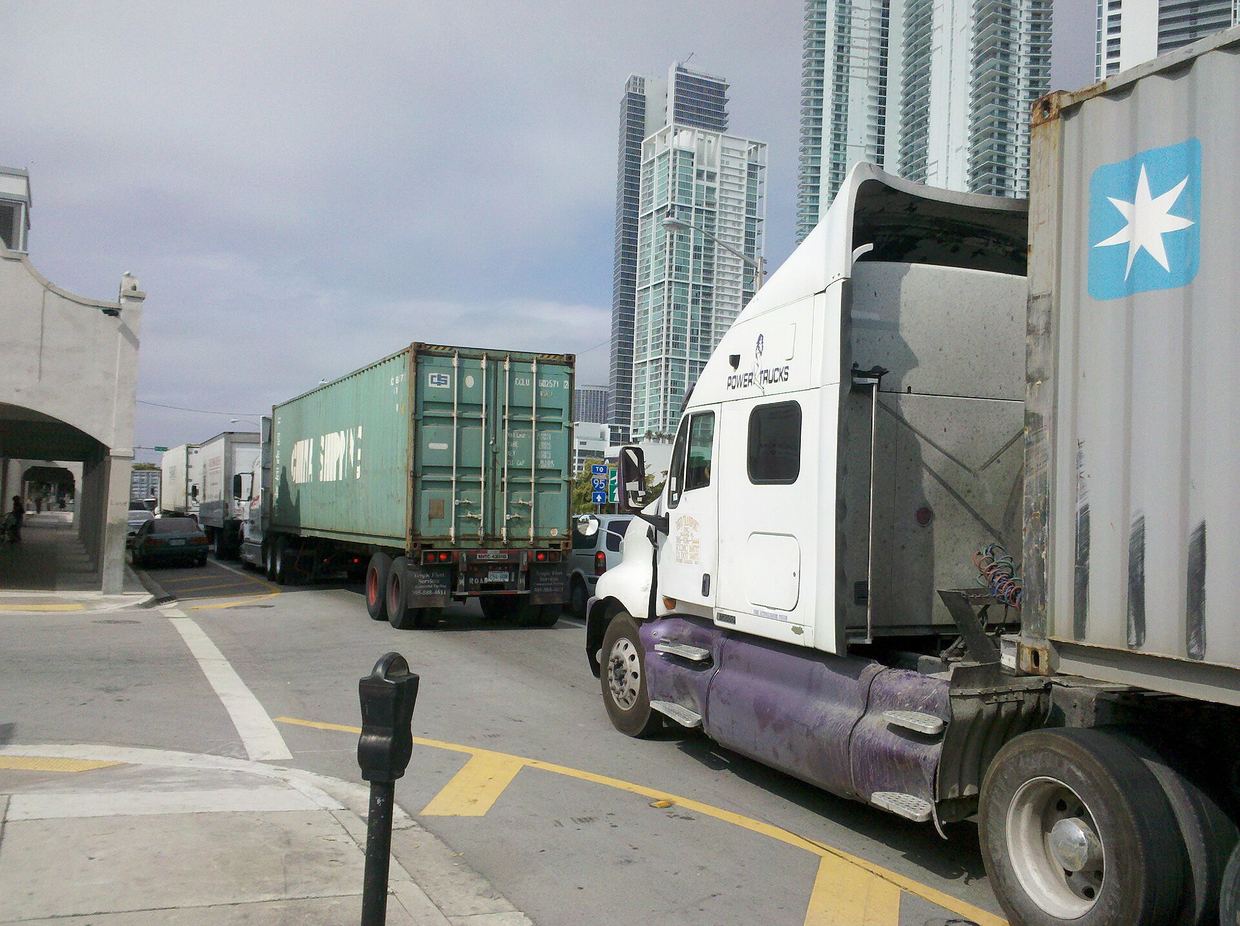
Researchers at Chalmers University of Technology and the Indian Institute of Technology Tirupati analysed container truck movements in Sweden in 2016–2019, according to a paper in Transportation Journal. The study used Trafikanalys (Transport Analysis) data on Swedish truck transport. Container flows account for 12% of truck traffic in the country. Empty containers made up 44–46% of vehicle numbers and 32–33% of vehicle kilometres in the period. doi.org
Transportation Journaldoi.orgOpen source ↗
The authors are Violeta Roso, Iván Sánchez-Díaz, Juan Pablo Castrellon and Lokesh Kumar Kalahasthi. They built two statistical demand models. One estimates truck payloads in order to convert cargo weight into truck trips. The other predicts the likelihood that a container is moved without a load. doi.org
Transportation Journaldoi.orgOpen source ↗
Where empty trips occur
Payload and the share of empty trips were notably affected by origin, destination and industry sector. doi.org
Transportation Journaldoi.orgOpen source ↗ According to the Chalmers release, the start and end points influenced the probability of an empty trip more than the industry did. About 77% of empty transports took place within a single region.
In the counties of Blekinge, Västra Götaland, Skåne and Kalmar, container trips starting in the county were less likely to be empty, and trips ending there were more likely to be empty. All four counties have major ports where imports exceed exports. Empty transports were also significantly shorter than loaded ones. Sánchez-Díaz said this indicates that trucks are often redirected to limit the distance driven with empty containers.
Measures and next steps
The researchers say the models show which origins, destinations and sectors have the highest probability of empty container trips, so efforts can be aimed at port regions or specific industries. They list several measures:
- hauliers can plan return loads more closely;
- shipping companies can share information on available containers and where they are needed;
- freight owners and forwarders can match export shipments to available containers;
- ports and terminals can improve the storage, groupage and replacement of empty containers;
- public bodies can support common data standards and digital platforms.
The authors note that matching an empty container to a return cargo is not always possible. The goods may be missing at the right place or time, or the container may be of the wrong size, condition or equipment. Ownership and contract terms can also bar other parties from using it. Hauliers, forwarders, shipping companies, ports, terminals and freight owners often plan separately, and information is not always shared.
The authors say the method can be applied in other countries to quantify empty container movements and identify the factors behind them. For further work they propose using the models to estimate empty container traffic and running case studies on how different policies affect it. doi.org
Transportation Journaldoi.orgOpen source ↗